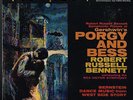
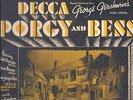
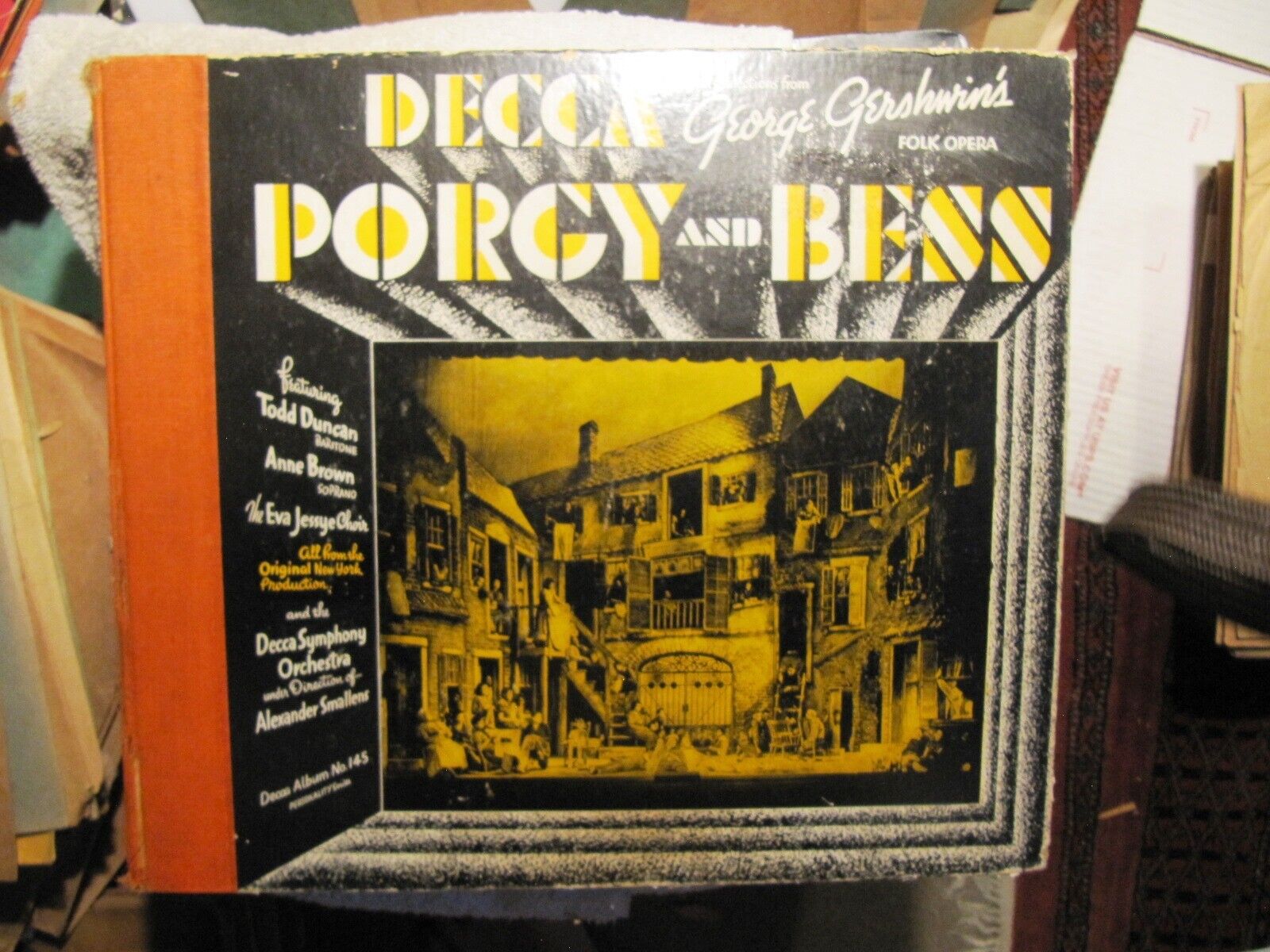
1940 George GERSHWIN PORGY & BESS Or CAST Todd Duncan Anne Brown Decca Album 145
$
50


Favourite Auctions
To save auctions to your favourites, please login
If you don't have an account, please register
Description
A series of great JAZZ Records from early Ragtime to Beb-Bop on 78 rpm Victrola Records
More great Jazz and Vocal Records in my other listings!
The ORIGINAL CAST RECORDING of North Americas FIRST OPERA - GERSHWIN's PROGY AND BESS: TODD DUNCAN, the first PORGY and ANNE BROWN, the first BESS of the 1935 Production of GEORGE GERSHWINS PORGY AND BESS sings 4x 12" records of selections from the Opera. (Well that's great, but the principals Todd Duncan and Bess, Anne Brown, are hogging ALL roles here: the songs on these recordings, even if they did not belong to their characters, IOW SUMMERTIME is NOT a BESS song !!)
Todd Duncan (3) . Anne Brown, Decca Symphony Orchestra – George Gershwin's Porgy And Bess
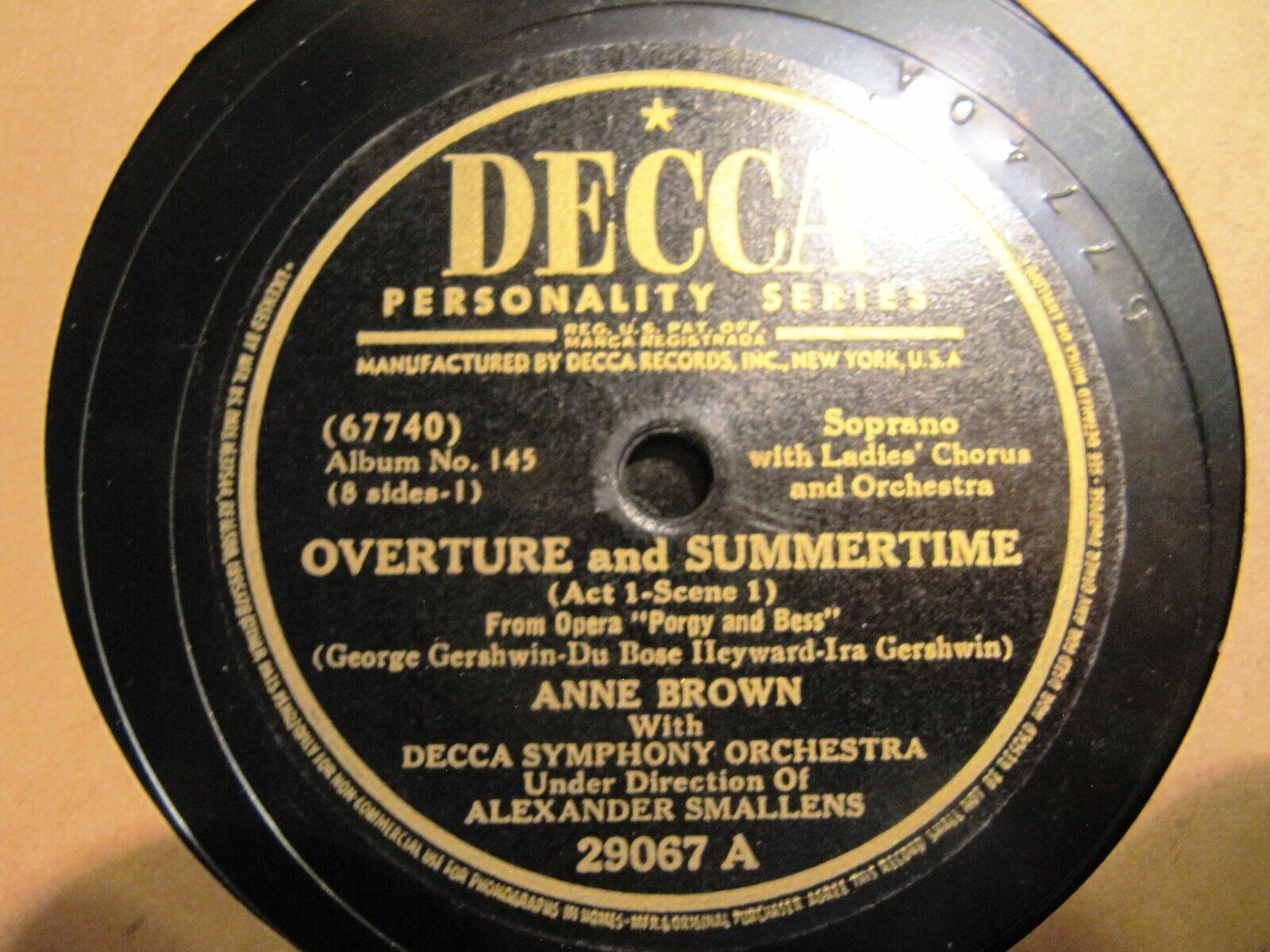
Label: Decca – 145
Style: Musical, Operetta
Side 1: Overture and Summertime (Act 1, Scene 1), Anne Brown, (67740)
Side 2: My Man's Gone Now (Act 1, Scene 2), Anne Brown with Eva Jessye Choir, (67738)
Side 3: I Got Plenty O Nuttin' (Act 2, Scene 1), Todd Duncan with Eva Jessye Choir, (67744)
Side 4: Buzzard Song (Act 2, Scene 1), Todd Duncan with Eva Jessye Choir, (67737)
Side 5: Bess, You Is My Woman (Act 2, Scene 1), Todd Duncan and Anne Brown, (67742)
Side 6: It Ain't Necessrily So (Act 2, Scene 2), Todd Duncan, (67741)
Side 7: The Requiem (Act 3, Scene 1), Eva Jessye Choir, (67743)
Side 8: Porgy's Lament and Finale, Todd Duncan, (67739).
Art Direction – Vartan (4)
Composed By – George Gershwin
Conductor – Alexander Smallens
Libretto By – DuBose Heyward
Lyrics By – Ira Gershwin
Orchestra – Decca Symphony Orchestra
Notes
Recorded May, 1940
Selections from George Gershwin's Folk Opera.
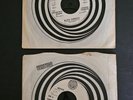
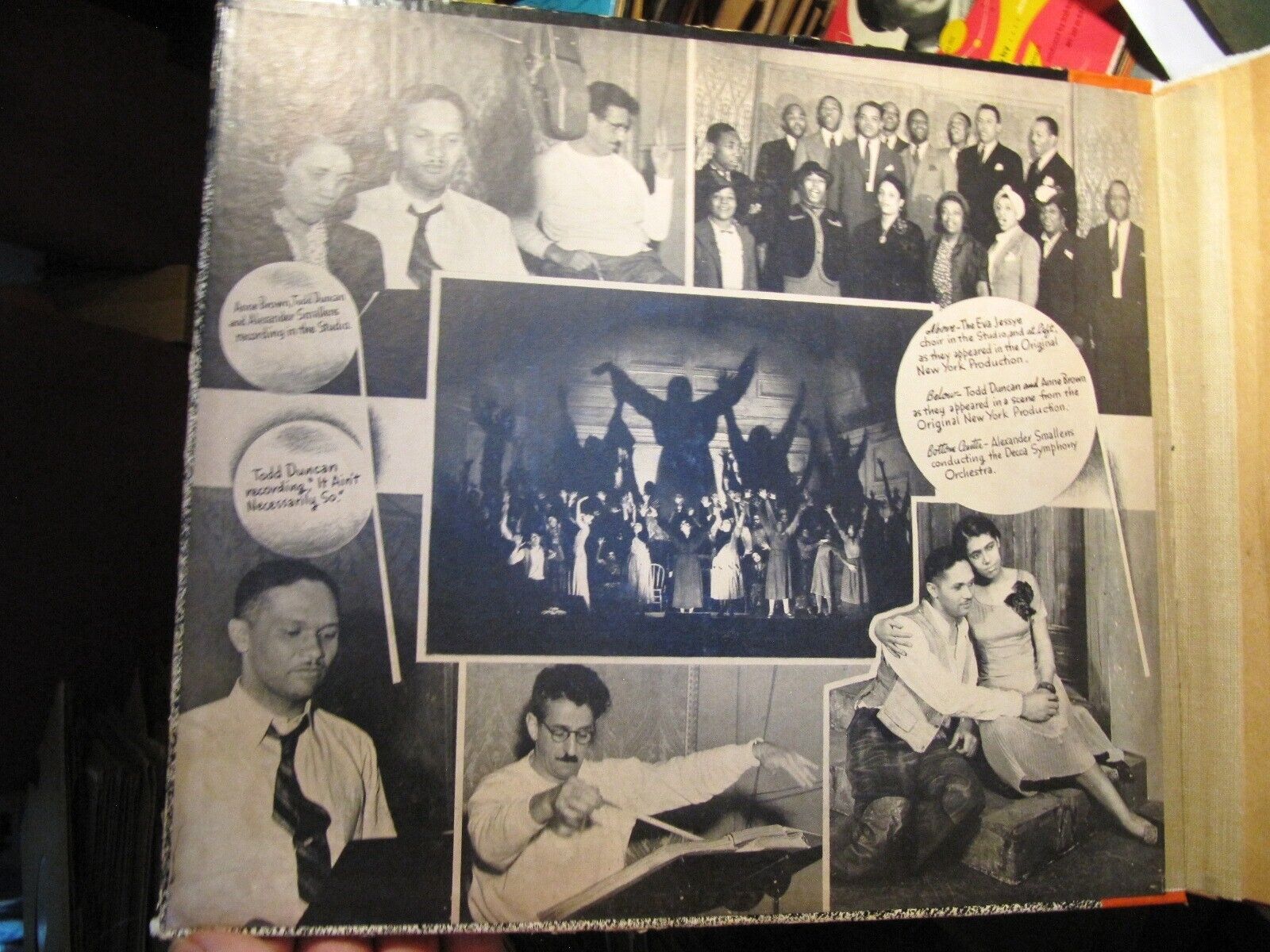
On original Decca 4x 12" 78 rpm record with original album 145 lavish production photographs
Please see top of the page for condition
The Theater Guild, which had staged the play Heyward and his wife fashioned from his book, agreed to produce the opera as well. Rouben Mamoulian was engaged to produce it, Alexander Smallens to conduct it, and baritone Todd Duncan (described by Gershwin as "a colored Lawrence Tibbett") was discovered and signed to create Porgy. His Bess was another newcomer, soprano Anne Brown.
There were tryouts in Boston before proceeding to New York, and here the first of a number of unfortunate cuts were made to trim "Porgy" down to Broadway size, including the opening "Jazzbo Brown" sequence, the "Buzzard Song" and the wrenching lament in the finale, "Oh Bess, Oh Where's My Bess?" The pared-down opera opened in Boston on September 30, 1935, to audience and critical acclaim. "Gershwin's most important contribution to music," said the Christian Science Monitor. "Gershwin must now be accepted as a serious composer," noted the Boston Transcript. The New York opening followed on Oct. 10. The Manhattan audience was just as enthusiastic, but the New York press was not. Thus began the great "Porgy" debate. The critics were unable to accept the piece as an opera. They were upset by what they perceived as a disturbing and unconventional blend of musical comedy and opera. "Porgy," however, lasted 124 performances.
Although the best tunes from "Porgy and Bess," such as "Summertime" and "Ain't Necessarily So," continued to be loved and sung, the opera as a whole went into an eclipse. When it was revived in the 1940s on Broadway, it was in a two-act version with spoken dialogue and further cuts. The world was still not ready to accept "Porgy" for what it was -- grand opera. Beyond this, further acceptance was delayed because many blacks in their struggle for equal rights during the 1950s and 1960s were offended by the portrayal of their race presented in "Porgy."
price rating