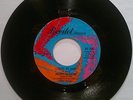
78 RPM Okeh Record Louis Armstrong Okeh 8714 "Ain't Misbehavin"
$
195


Favourite Auctions
To save auctions to your favourites, please login
If you don't have an account, please register
Description
Louis Armstrong & His Orchestra - Okeh label
Released
August 1929
Recorded
July 19-22, 1929
No sleeve or case included. Was stored in a 12 sleeve leatherette album since originally purchased by my mother in 1929.
This single completely changed the course of Louis Armstrong's career. He had made hit records before this one but this was his first massive hit in his own name. It was this song that made him one of America's biggest stars. The American public had heard him play trumpet on "St. Louis Blues" and "Potato Head Blues", both of which had been hit records. But on this single they got to hear Louis's unique style of singing and he became a celebrity to an extent he'd never been before.
The effects of stardom on Armstrong were immense. Up till this point he had been recording music from the African-American music tradition. He had chosen jazz, blues and ragtime material for his singles. After this record he increasingly turned to vaudeville and Broadway, which enabled him to broaden his audience and establish himself as a world-famous entertainer. Some people accuse him of selling out but his jazzy takes on popular songs like "All of Me" and "Star Dust" are too original to be dismissed as easily as that. It is also worth noting that whilst Armstrong had worked as a session musician on dozens of blues records throughout the 1920's, he was too a big name after the success of this record to ever have to resort to that kind of work again.
"Black and Blue" on the flip side also deserves recognition as being one of the most direct comments on racial oppression in the canon of 1920's jazz. Armstrong was not an overtly political man and he certainly wasn't confrontational about racial issues but you don't have to read between the lines on this track to get the message.
“Ain’t Misbehavin’” was written by Fats Waller, who made a solo piano recording of it in 1929. It was also featured in the hit Harlem show Hot Chocolates that year, where it was performed to great reviews by none other than Louis Armstrong. It would become one of his signature songs, and this record shows why. Although well executed, the recording doesn’t break any new ground for him in terms of trumpet playing. (He still manages to make it exciting, though, especially at the end, where he finishes on a high note – both literally and figuratively.) However, it features some great singing from Armstrong that shows his ability to improvise vocally as well as with his trumpet. He varies the melody, the words and the timing as he sings, making everything sound effortless while creating a blueprint that top jazz singers continue to follow.
price rating