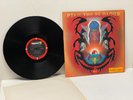
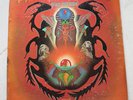
Alice Coltrane Pharoah Sanders Joe Henderson Ptah The EL Daoud LP Spiritual Jaz
$
350
Favourite Auctions
To save auctions to your favourites, please login
If you don't have an account, please register
Description
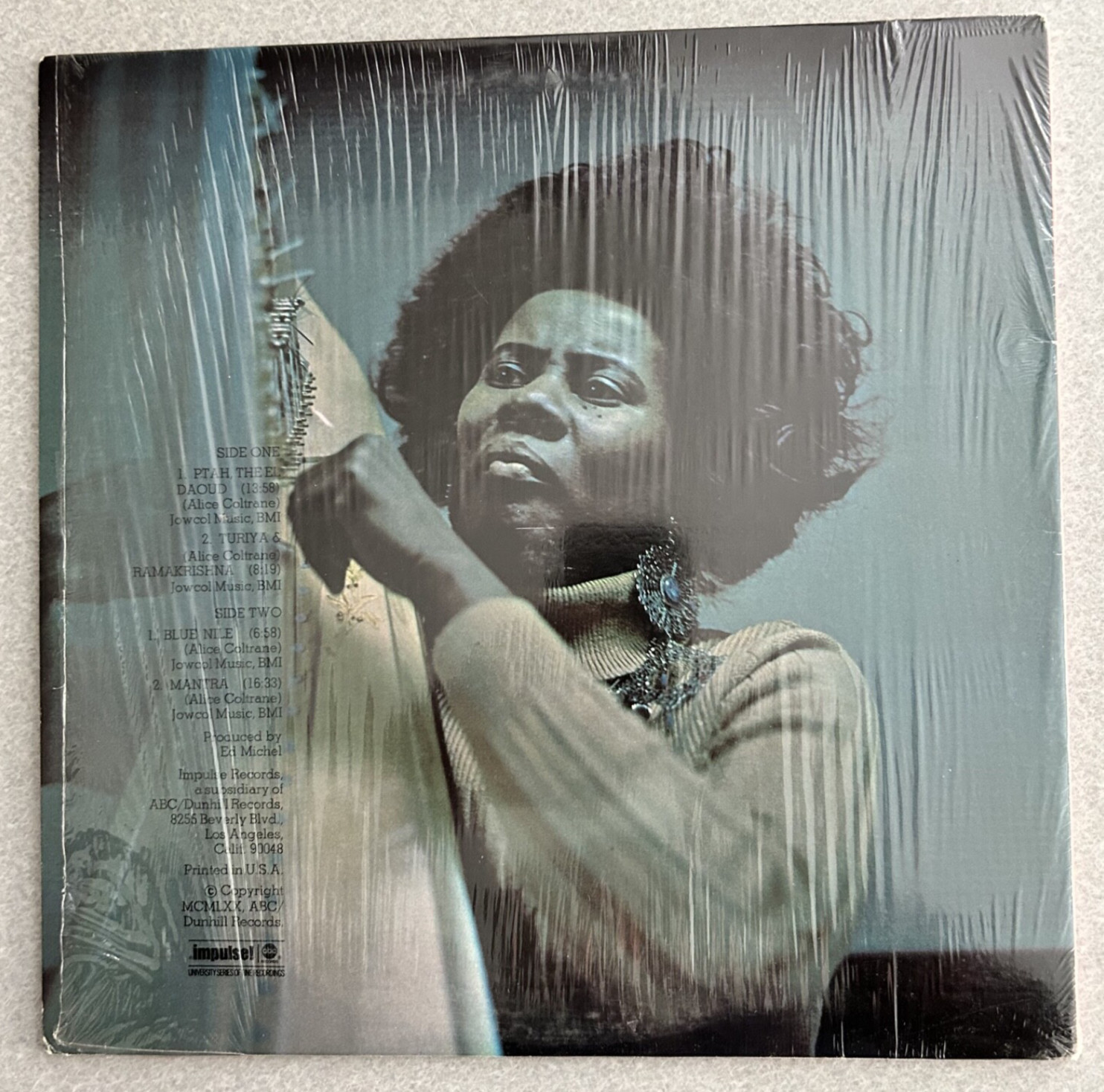
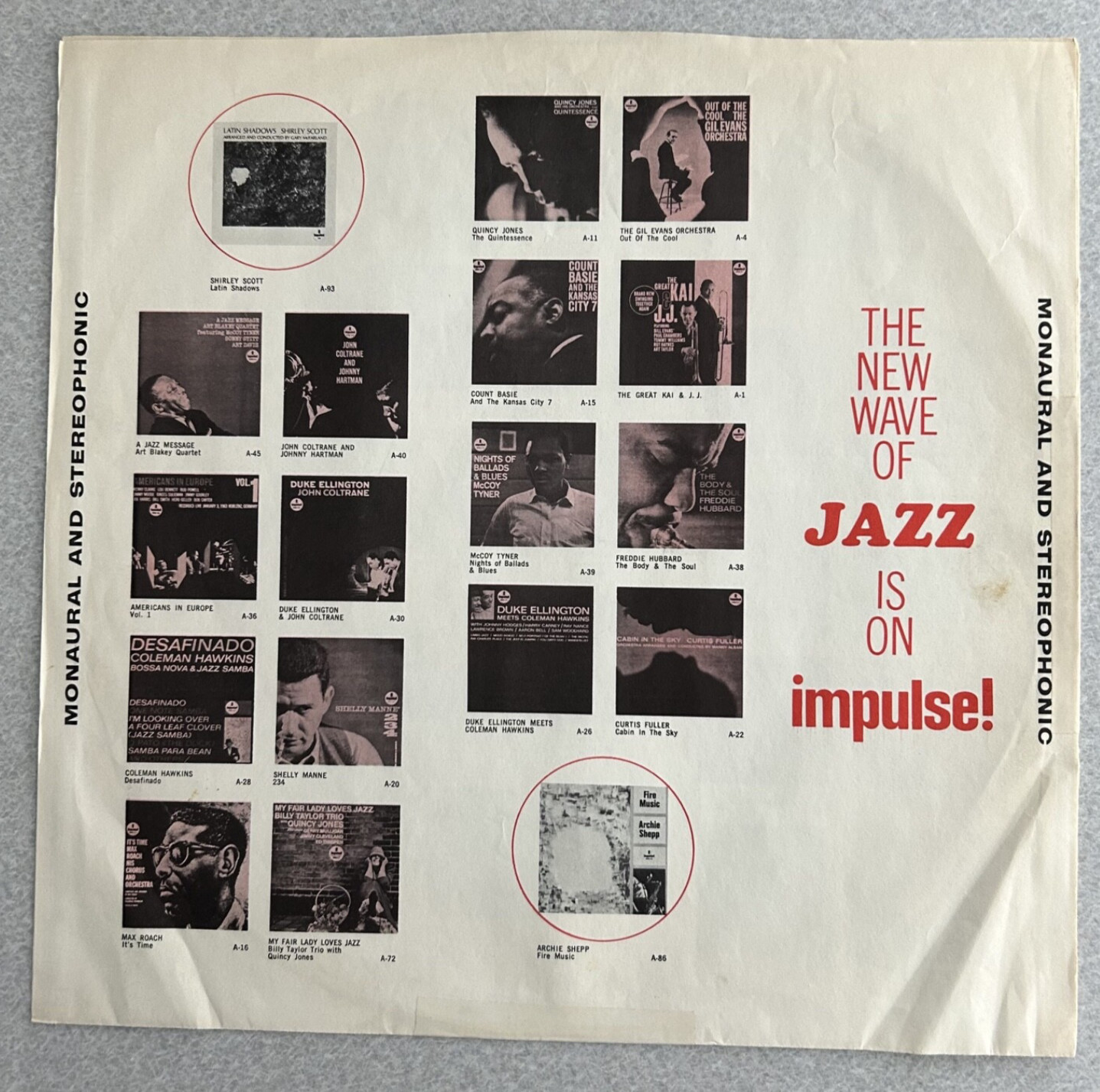
Alice Coltrane Pharoah Sanders Joe Henderson Ptah The EL Daoud LP Spiritual Jazz Archival Sleeve
This is a Fantastic recording ground breaking music
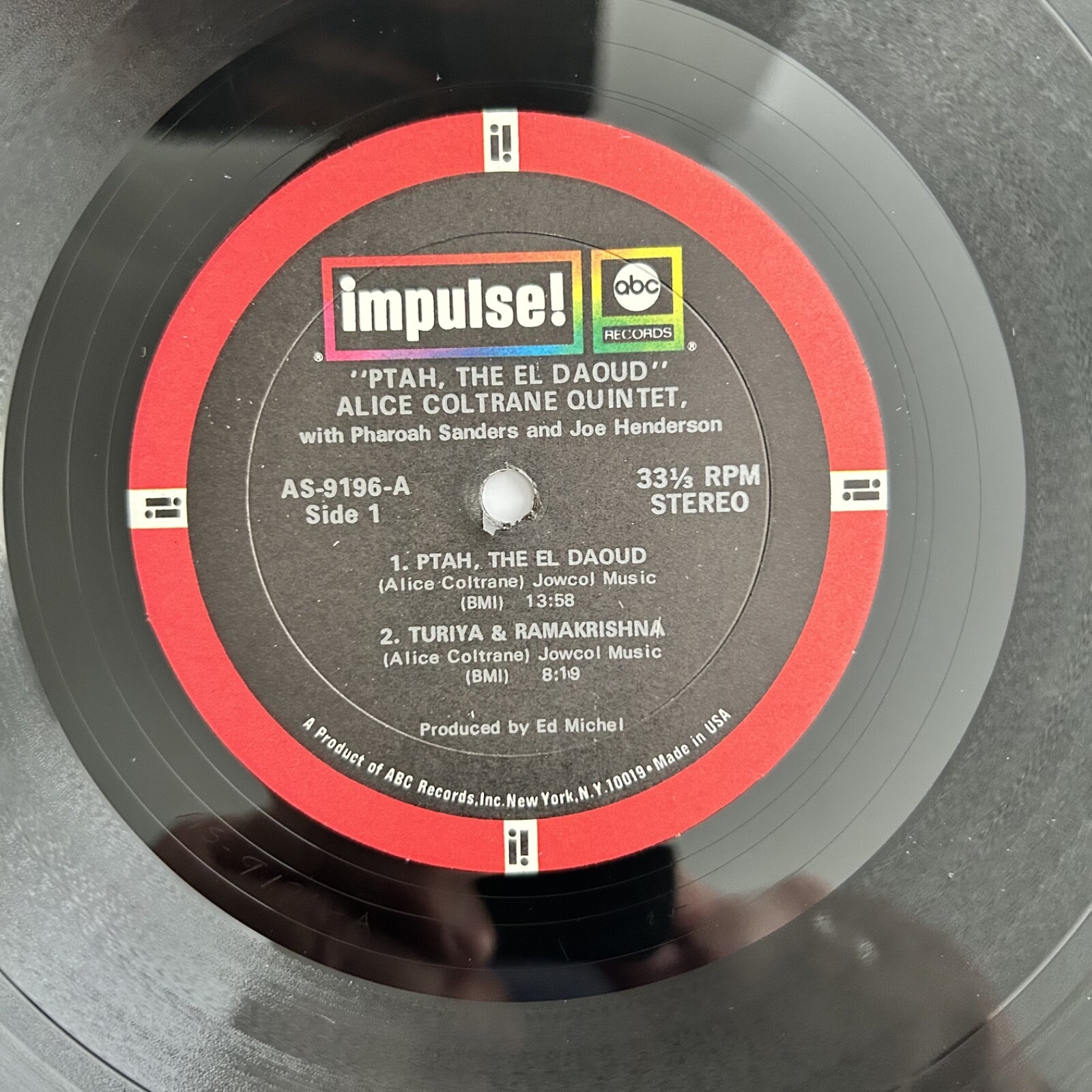
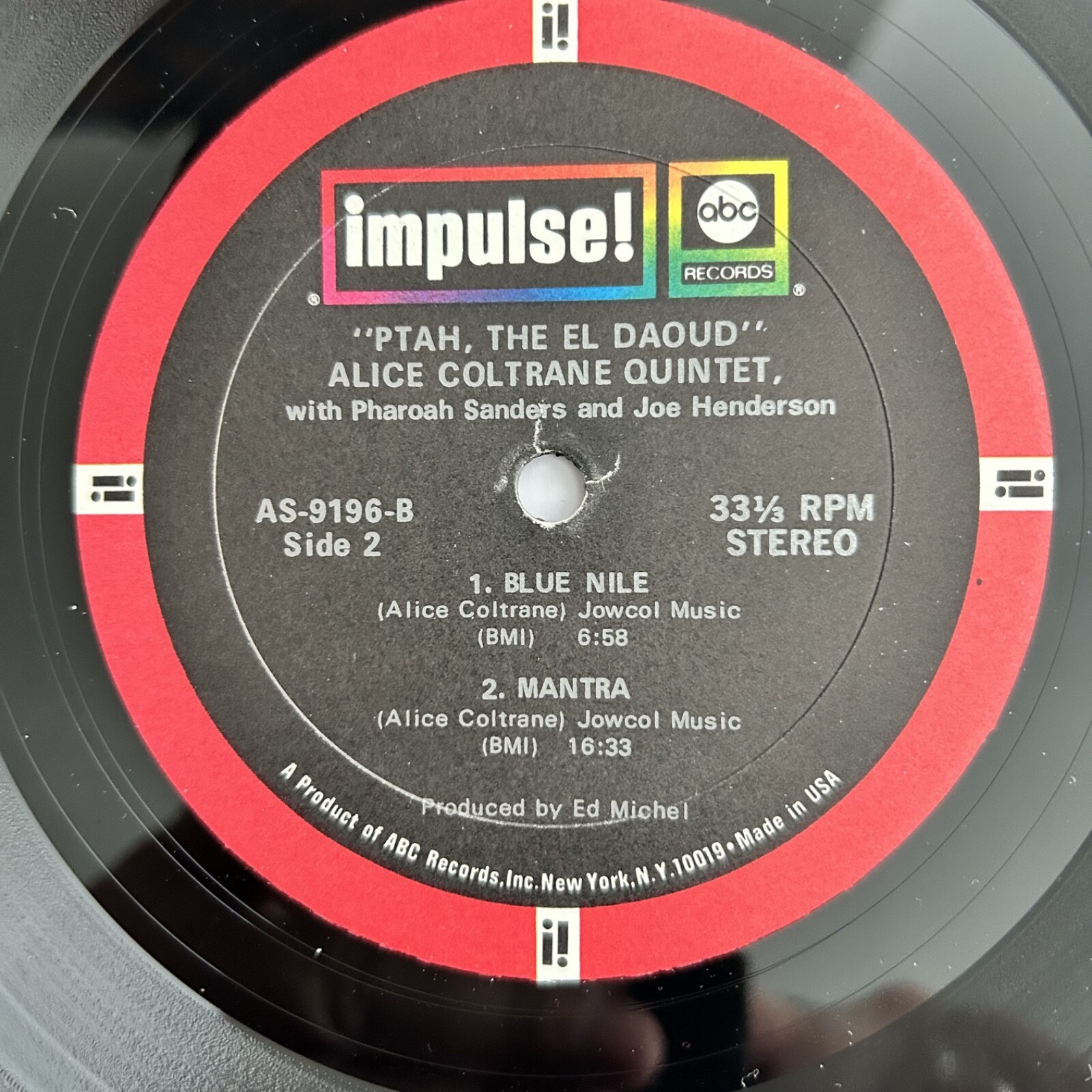
Many first pressing are confused with second 1st has Impuse ABC in one box on Label, 2nd Pressing has 2 Boxes and two R's on either side. This is the second pressing, with the two box logo and ®. The first pressing has the single box logo, pressed in October 1970, just a month before the logo was changed, in November 1970.
This album is musically fabulous, abrasive post-bop spiritual-lite. Alice’s harp makes just a few contributions, and she is mostly in piano mode. Henderson, Sanders, Carter and Riley bring their own chemistry, each arriving from different directions, no-one looking to take on the John Coltrane role.
Henderson jumps straight in, very free running, his characteristic twist and turn phrases. experimenting further with lengthy harmonics. Pharoah is more measured, making his own stand, (and thankfully there’s no yodelling). Alice’s piano is percussive, lots of crashing chords, repeating arpeggios with little harmonic progression. Carter, shaped by years with Miles, and Riley by years with Monk, together provide a sympathetic foundation for the frontline theatrics.
Ptah, the El Daoud is the third solo album by American jazz pianist and harpist Alice Coltrane, released on Impulse! Records in September 1970. The album was recorded in the basement of her home in Dix Hills, New York, in a session on January 26, 1970.
While Pharoah Sanders had played bass clarinet on one track on 1968's A Monastic Trio, this was Coltrane's first album to feature wind players more extensively, with Sanders and Joe Henderson playing tenor saxophone on two tracks and alto flute on "Blue Nile" (on which Coltrane also switches from piano to harp). Sanders is recorded on the right channel and Henderson on the left channel throughout. Coltrane noted that "Joe Henderson is more on the intellectual side, while Pharoah is more abstract, more transcendental."
All of the compositions were written by Coltrane. The title track is named the Egyptian god Ptah, "El Daoud" meaning "the beloved" in Arabic. Turiya "was defined by Coltrane as "a state of consciousness — the high state of Nirvana, the goal of human life", while Ramakrishna was a 19th-century Bengali Hindu mystic; the name also denotes a movement founded by his disciples.
price rating


![Lostboys - Lost And Found LP 1990 Atlantic – 7567-82023-1 [Original] VG+/VG+](https://www.popsike.net/php/thumbnail.php?url=https://www.popsike.pics/pix/20250205/156675072859.jpg)