Coil - Time Machines, Worship the Glitch, Black Light District (Test Pressings)
$
867


Favourite Auctions
To save auctions to your favourites, please login
If you don't have an account, please register
Description
DAIS RECORDS JUNETEENTH FUNDRAISER AUCTION. All proceeds from this auction go to The Loveland Foundation and Okra Project
THIS IS A CHARITY AUCTION.
NO REFUNDS. NO RETURNS.
NOTICE:
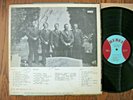
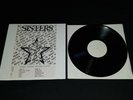
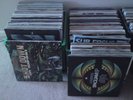
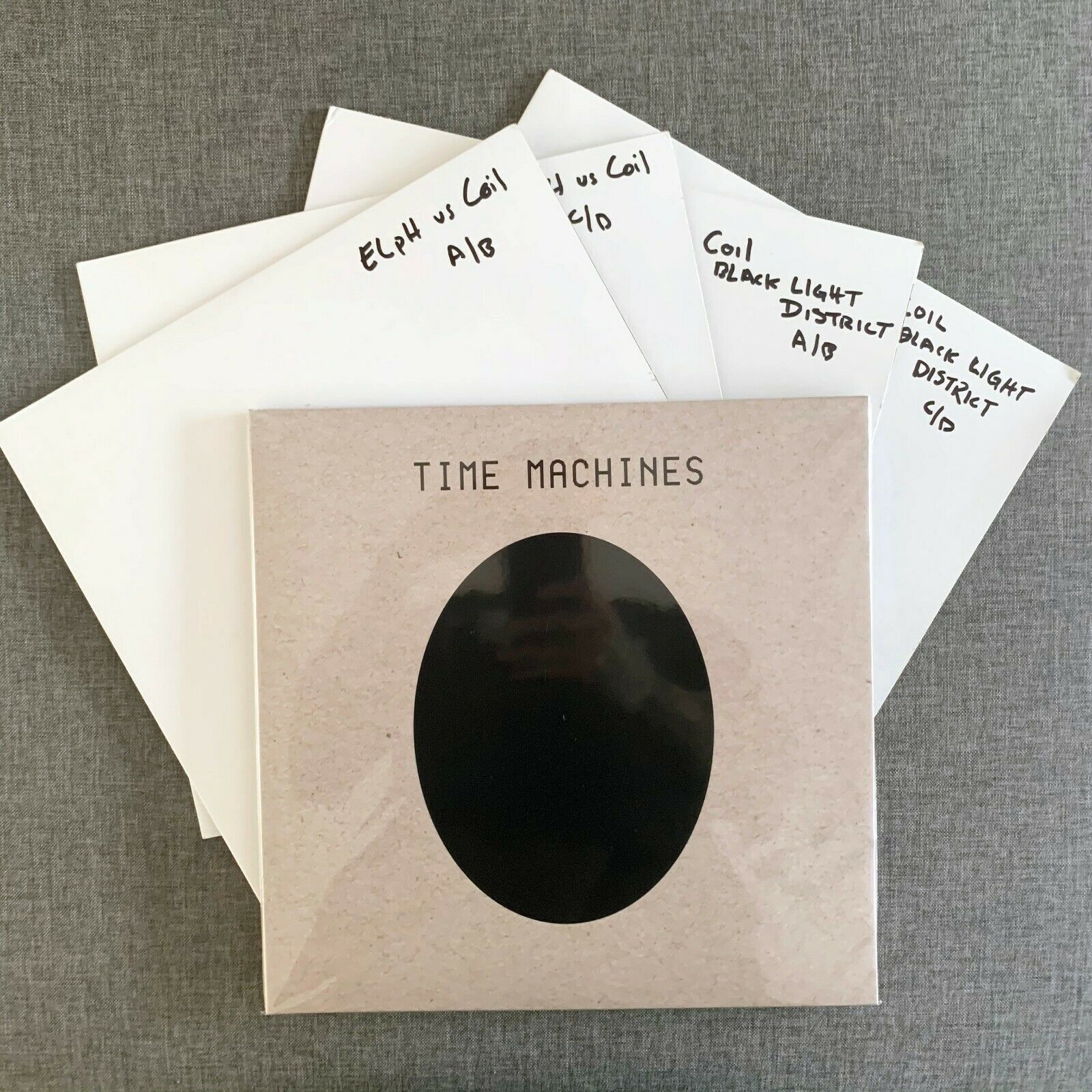
These are used test presses, which were used in the approval process of each pressing. These are not mint. They were handled, played, and replayed by several people during the manufacturing process. They are in GOOD condition. TIME MACHINES comes in the original jacket with "TEST PRESSING" sticker. The others come in original sleeves and jackets from the plant.
Vinyl Test Pressing of Coil - Time Machines - DOUBLE LP (2xLP) DAIS103
Vinyl Test Pressing of ELpH vs Coil - Worship the Glitch - DOUBLE LP (2xLP) DAIS115
Vinyl Test Pressing of Coil Presents Black Light District - A Thousand Lights in a Darkened Room (2xLP) DAIS114
COIL: Coil were an experimental music group founded in 1982 by John Balance. Intended as a side project while performing with the band Psychic TV, COIL became a full-time project with the addition of Peter Christopherson, former member of Throbbing Gristle. Throughout the years, the bands roster changed to include a variety of performers and players - among them Dais Records own Drew McDowall, who was a key member of Coil during the 90s and early aughts until the tragic death of Balance in 2004.
TIME MACHINES:
Starting as a rough demo tape recorded solely by Coil member Drew McDowall, Time Machines started to take full form when McDowall enthusiastically delivered these demo recordings to Balance and Christopherson as sketches for a new Coil project with the primary goal of shifting Coil’s sound further into a more conceptually abstract direction. Largely recorded in 1997 using single takes with minimal post production, these four drones contain every intended fluctuation and tone, along with every glitch of the original – “Artifacts generated by your listening environment are an intrinsic part of the experience.”
“4 Tones to facilitate travel through time.” So begins the listeners’ journey into what has become one of the most treasured and revered pieces of COIL history ever released. Each of the four pieces on Time Machines is named after the chemical compound of the hallucinogenic drug that they were composed for, and the album was meticulously crafted to enable what John Balance referred to as "temporal slips" in time and space, allowing both the artist and audience to figuratively "dissolve time".
Inspired by long form ceremonial music of Tibet and other religions, where the intent is to lose oneself in the music – to meditate or achieve a trance state – Time Machines became Drew McDowall, John Balance, and Peter Christopherson’s “electronic punk-primitive” answer to this tribal concept. Remasterd by Josh Bonati and supervised by Drew McDowall, Time Machines is officially reissued as a double vinyl LP featuring deluxe matte gatefold with gloss overlay and printed eurosleeves inserts. The compact disc edition included reproductions of the six original vinyl stickers and comes housed in a gatefold chipboard digipack featuring spot gloss overlay.
BLACK LIGHT DISTRICT:
During the transitional period in which Coil’s primary leadership (Peter “Sleazy” Christopherson and John Balance) reorganized their creative direction by taking on new membership in the group through their inclusion of Drew McDowall, Coil took a drastic turn towards the metaphysical unknown. Employing the subtle handiwork of Coil’s “real life” members, as well as cleverly guised aliases and spiritual collaborators, the band chose to filter their identity through a the nome de guerre, Black Light District, setting the precedent of Coil’s future exploration of otherworldly influence.
Recorded during the Winter of 1995/96, Black Light District leans more on their formal avant-garde pursuits and academic interests rather than their industrial pedigree resume. Starting off with an obvious nod to John Cage with their introductory “Unprepared Piano”, the tone is prepared in exactly the same way… unpredictable. Conceptually abstract, Black Light District shows Coil’s old guard disregarding the pop rhythms found on previous albums, such as Love's Secret Domain, and fully embracing their experimental electronic trajectory. Subtle patterns of looping melancholy and malaise are placed delicately underneath ghostly electronic timbre. Approaching their creative method as something from the beyond, another realm in which sounds blur and performers seemingly appear from the ether.
Remastered by engineer Josh Bonati and supervised by Coil's Drew McDowall, Worship The Glitch is expanded onto double vinyl LP and packaged within a matte gatefold jacket with a replica vellum track listing insert and sticker. The compact disc edition in a matte card stock digipack with redesigned packaging.
WORSHIP THE GLITCH:
"Unexplainable" may well be the best explanation for the members of the UK based electronic outfit COIL. Making a radical shift from intentional accessibility, by means of traditional pop songwriting, to abstract happenstance, Coil had entered into a new phase of their career. Utilising what was then the newest computer technology, digital and analog synthesis and the newly formed idea that something outside of themselves was steering the ship.
During the studio sessions that developed into what would become “Worship the Glitch”, Coil became aware of random compositions emitting from their equipment and were seemingly at odds with the constant “accidents” that were perpetually plaguing the recordings. The band blamed these unintentional emissions on "ELpH": a conceptual being that is one part physical equipment failure and one part celestial fiend… constantly playing the role of trickster by throwing a wrench into Coil’s methodology. Eventually, these accidents and mistakes were embraced by the band and the process of misusing audio software to create intentional "errors" was adopted as a musical technique. The acceptance of the "mistake", and the use of discovered faults as intentional elements slowly became the drive and concept behind the album, thus birthing the title “Worship the Glitch.”
Originally released in 1995 on Coil’s in-house imprint Eskaton, Worship the Glitch was Coil’s first proper album-length attempt at conceptual ambient composition, with a radical focus on chance. Seamless vignettes of shattered electronics, though ebbing softly and in delicate balance with each other, provide an underlying uncertainty and discomfort to the listener.
Remastered by engineer Josh Bonati and supervised by Coil's Drew McDowall, Worship The Glitch is expanded onto double vinyl LP and packaged within a matte gatefold jacket with a replica vellum track listing insert and sticker. The compact disc edition in a matte card stock digipack with redesigned packaging.
price rating