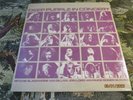
DEEP PURPLE - MACHINE HEAD, ABSOLUTE MINT, UNBEATABLE AUDIO, RARE A1-U, B3
£
26
$
34


£ 26
Sold For
May 17, 2012
Sold Date
May 7, 2012
Start Date
£ 15
Start price
4
Number Of Bids
Great Britain
Country Of Seller
eBay
Auctioned at
Favourite Auctions
To save auctions to your favourites, please login
If you don't have an account, please register
Description
YOU ARE BIDDING FOR DEEP PURPLES SIXTH STUDIO ALBUM WITH THE RARE A1-U,B3 MATRICIES. MAKE NO MISTAKE, THIS ALBUM IS IN ABSOLUTE PRISTINE CONDITION THROUGHOUT AND PLAYS LIKE A DREAM. I DOUBT YOU WILL FIND SUCH A PERFECT SPECIMEN FOR ITS AGE (41 YEARS OLD).
VINYL THE PLAYING SURFACE GRADES VISUALLY AS NEAR MINT. EVEN IN STRONG ARTIFICIAL LIGHT AND BRIGHT DAYLIGHT I CANNOT MAKE OUT ANY BLEMISHES OTHER THAN FAINT SLEEVE INSERTION WISPS. ALSO, BY SIGHT AND ROTATION ON AN AUDIO TURNTABLE, THE VINYL SHOWS NO VISIBLE SIGNS OF WARPING. AUDIBLY THE ALBUM IS POSSIBLY ONE OF THE BEST SPECIMENS I HAVE COME ACCROSS. TRY AS I MIGHT WITH FULL VOLUME, I CANNOT MAKE OUT ANY SURFACE NOISE AT ALL AND THE SOUND IS CRISP, CLEAR, VIBRANT AND DYNAMIC. I WOULD SAY NEAR MINT. LABELS MINT. THE LABELS ARE CLEAN, UNFADED AND DISPLAY MINIMAL PLAYS WITH JUST A HANDFUL OF FAINT SPINDLE LINES. PERFECTION. SLEEVES THE OUTER COVER IS NEAR MINT INSIDE AND OUT. ABSOLUTELY AS NEW WITH NO FADING, DISCOLOURING, INDENTS OR SCUFFING AND THE SURFACE IS STILL AS LUSTROUS AS THE DAY IT WAS MADE. PERFECTLY SQUARE, ROBUST GARROD & LOFTHOUSE COVER. THE INNER SLEEVE IS AS NEW WITH THE SLIGHTEST OF YELLOWING DUE TO AGE. THE LYRIC INSERT SHEET IS MINT AND AS NEW. PACKAGING IT IS MY DUTY AS A CONSCIENTIOUS SELLER, TO PROVIDE THE BEST POSSIBLE PACKAGING AVAILABLE IN ORDER TO PROETCT YOUR VALUABLE INVESTMENT ITEM. AS SUCH, THE ITEM WILL BE ENCASED IN A CRUCIFORM, CARD MAILER WITH CARD STIFFENER INSERTS TO FURTHER PROTECT FROM DAMAGE. A FURTHER STIFFENER WILL BE INSERTED INTO THE OUTER SLEEVE (IN PLACE OF THE VINYL) TO PREVENT CRUSHING OF THE SPINE. THE VINYL WILL BE HOUSED IN A SEPERATE WHITE INNER TO PRESERVE THE ORIGINAL INNER AND PROTECT FROM KNIFING. THE PACKAGE WILL BE CLEARLY MARKED AND DISPLAY FRAGILE STICKERS AND A RETURN ADDRESS IN CASE OF LOSS. REPRESENTATION AS I AM OFFERING GUARANTEED QUALITY WITH A MONEY BACK GUARANTEE, SHOULD THE ITEM NOT BE AS DESCRIBED, I ENDEAVOUR TO REPRESENT THE ITEM AS ACCURATELY AS POSSIBLE SO AS TO PRESERVE MY REPUTATION AND MY 100% FEEDBACK RATING. aS SUCH, I ENDEAVOUR TO DESCRIBE THE ITEM 100% ACCURATELY BOTH VERBALLY AND VISUALLY. THIS BEEN THE REASON I HAVE INVESTED IN A STATE OF THE ART DIGITAL SLR CAMERA (18 MEGAPIXEL) AND STUDIO LIGHTING. THAT SAID, IF YOU REQUIRE ANY FURTHER INFORMATION OR IMAGES WHILST THE AUCTION IS STILL IN PROGRESS, EMAIL ME AND I WILL RESPOND AS SOON AS POSSIBLE AND AS HONESTLY AS POSSIBLE. POSTAGE COSTS 2ND CLASS RECORDED - £3.50 WITH INSURANCE UP TO £50. EUROPE - £6.00 rEST OF WORLD - £10.00 ALBUM NOTES Machine Head is the sixth studio album released by the English rock band Deep Purple. It was recorded through December 1971 in Montreux, Switzerland, and released in March 1972. Machine Head is often cited as influential in the development of the heavy metal music genre. It is Deep Purple's most successful recording, topping the charts in several countries following its release. The album reached number 1 in the United Kingdom and stayed in the top 40 for 20 weeks. It reached number 7 in the United States, remaining on the Billboard 200 for 118 weeks. Background Deep Purple initially planned to record Machine Head in December 1971, at Montreux Casino in Switzerland. A mobile recording studio used by the Rolling Stones had been booked and hotel reservations made, but lead singer Ian Gillan contracted hepatitis. Cancelling a forthcoming tour of America, the band placed all their plans on hold, and Gillan was advised by his doctor to spend the next few months recuperating. Nevertheless, enthused by the new project, the band travelled to Switzerland to begin recording.[1] The Casino was a large arena built in a complex of casinos, restaurants and other entertainment facilities. The band had performed there in May 1971 and enjoyed both the location and its owner, Claude Nobs. Amongst others, Led Zeppelin, Pink Floyd and Black Sabbath had all performed there. The Casino closed for refurbishments each winter, and so the band arrived there on 3 December. One last concert date remained, following which they were to have the location to themselves. Recording Frank Zappa's 4 December concert at the Casino was made infamous when a member of the audience fired a flare into the building's roof. Although there were no fatalities, the resultant fire ruined Deep Purple's plans.[3] Nobs relocated the band to a nearby theatre called the Pavilion, where they recorded a riff by Ritchie Blackmore provisionally titled "Title No. 1." Bass player Roger Glover named it "Smoke on the Water", initially as a good name for a drug song, but several days later he and Gillan decided instead to use it to describe the band's experience watching the burning down of Montreux Casino. A photograph of the burning Montreux Casino would ultimately be included in the gatefold of Machine Head's album cover. ...We had the Rolling Stones' mobile recording unit sitting outside in the snow, but to get there we had to run cable through two doors in the corridor into a room, through a bathroom and into another room, from which it went across a bed and out the veranda window, then ran along the balcony for about 100 feet and came back in through another bedroom window. It then went through that room's bathroom and into another corridor, then all the way down a marble staircase to the foyer reception area of the hotel, out the front door, across the courtyard and up the steps into the back of the mobile unit. I think that setup led to capturing some spontaneity, because once we got to the truck for a playback, even if we didn’t think it was a perfect take, we’d go, 'Yeah, that’s good enough.' Because we just couldn’t stand going back again... ”Ritchie Blackmore” As a new location the Pavilion proved to be impractical, as local residents flooded the local police station's switchboard to complain about the noise the band made. Although the police were prevented from entering the building by the band's roadies, who held the venue's doors shut, the band were quickly evicted. They searched for other locations in which to record and settled on the Grand Hotel, on the edge of Montreux. With the mobile recording unit parked at the main entrance, they set up at the end of one of the building's corridors, off the main lobby.[6] An assortment of equipment and sound-insulating mattresses meant that to get to the recording van the band were forced to walk through bedrooms and across balconies. This proved so arduous that they stopped listening to playbacks of their recordings, instead performing until they were satisfied with what they had. A song entitled "When a Blind Man Cries" was recorded during these sessions, but not included on the album. Instead, it was used as the B-side on the "Never Before" single. The song appears as a bonus track on the album's 25th anniversary edition. The supporting tour for Machine Head included a trip to Japan that would later become the double-live Made in Japan album. Release and reception Machine Head hit the number one spot on the British charts within seven days of its release, remaining there for two weeks before returning in May for a further week. In the US, the album reached number seven, remaining in the charts for two years. Rolling Stone's Lester Bangs praised "Highway Star" and "Space Truckin'"'s lyrics, although he was less complementary about the remaining songs: "In between those two Deep Purple classics lies nothing but good, hard-socking music, although some of the lyrics may leave a bit to be desired."[9] Robert Christgau rated the album a B, writing "I approve of their speeding, and Ritchie Blackmore has copped some self-discipline as well as a few suspicious-sounding licks from his buddies in London."[10] Allmusic critic Eduardo Rivadavia called Machine Head "one of the essential hard rock albums of all time." Machine Head contains classical and blues influences. Blackmore confirmed that the chord progression for the solos in "Highway Star" was inspired by the work of 18th-century composer Johann Sebastian Bach.[13] The song was actually composed by Blackmore and Gillan at the start of the Fireball gigs on a bus travelling to Portsmouth Guild Hall, in response to a question from a member of the press as to how the band created their material. Kerrang! magazine listed the album at No. 35 among the "100 Greatest Heavy Metal Albums of All Time" in 1989. Machine Head is the subject of one of the Classic Albums series of documentaries about the making of famous albums. Machine Head was released on the multichannel formats DVD-Audio (2001) and SACD (2003), and more recently, also on SACD on 17 August 2011, by Warner Japan in their Warner Premium Sound series (Which is the same as the 2001 DVD-Audio version). Track listing All songs written by Ritchie Blackmore, Ian Gillan, Roger Glover, Jon Lord and Ian Paice. Original vinyl release Side one 1. "Highway Star" 6:05 2. "Maybe I'm a Leo" 4:51 3. "Pictures of Home" 5:03 4. "Never Before" 3:56 Side two 5. "Smoke on the Water" 5:40 6. "Lazy" 7:19 7. "Space Truckin'" 4:31price rating






![Carly Simon - No Secrets [New Vinyl LP] Blue, Clear Vinyl, Anniversary Ed](https://www.popsike.net/php/thumbnail.php?url=https://www.popsike.pics/pix/20221207/144845018922.jpg)