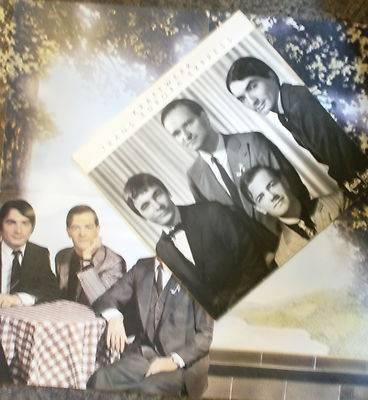
KRAFTWERK TRANS EUROPA EXPRESS 1C 064-82 306 INNER POSTER NEW WAVE ROCK RARE LP
£
24
$
32


Favourite Auctions
To save auctions to your favourites, please login
If you don't have an account, please register
Description
YOU ARE BIDDING ON A RARE LP
KRAFTWERK
TRANS EUROPA EXPRESS
CATALOGUE NUMBER 1C 064-82 306
MATRIX NUMBERS: 82306A-1,
82306B-1
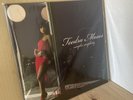
THIS GERMAN ISSUED RECORD COMES WITH AN INNER SLEEVE AND A POSTER
THE RECORD AND POSTER ARE IN EXCELLENT CONDITION, THE INNER SLEEVE HAS A VERY SMALL BOTTOM EDGE SEAM SPLIT AND A SIDE EDGE SEAM SPLIT, SOME LIGHT DISCOLOURATION/STAINING DUE TO AGE, AND VERY SLIGHT SIGNS OF AGE/WEAR, THE OUTER SLEEVE HAS VERY SLIGHT RINGWEAR, AND VERY SLIGHT SIGNS OF AGE/WEAR
WE DO COMBINE POSTAGE FOR ITEMS PURCHASED MEANING THAT WE DO PROVIDE POSTAGE DISCOUNTS ON MULTIPLE PURCHASES WHERE POSSIBLE, AS A RULE THE FIRST LP IS CHARGED AT STANDARD POSTAL RATE AND EACH ITEM THERE AFTER AT AROUND A 50% DISCOUNT, AND THE SAME GOES FOR 7" RECORDS, THERE MAY BE A FEW EXCEPTIONS TO THIS, SUCH AS BEING UNABLE TO COMBINE POSTAGE FOR A POSTER AND A RECORD, PLEASE FEEL FREE TO CONTACT US IF YOU ARE STILL UNSURE
ITEMS ARE PACKAGED IN STIFF CARD MAILERS WITH STIFFENERS, AND ARE REMOVED FROM SLEEVES PRIOR TO PACKING-UNLESS THE ITEM IS SOLD AS 'SEALED'
During the mid-'70s, Germany's Kraftwerk established the sonic blueprint followed by an extraordinary number of artists in the decades to come. From the British new romantic movement to hip-hop to techno, the group's self-described "robot pop" -- hypnotically minimal, obliquely rhythmic music performed solely via electronic means -- resonates in virtually every new development to impact the contemporary pop scene of the late- 20th century, and as pioneers of the electronic music form, their enduring influence cannot be overstated. Kraftwerk emerged from the same German experimental music community of the late '60s which also spawned Can and Tangerine Dream; primary members Florian Schneider and Ralf Hütter first met as classical music students at the Dusseldorf Conservatory, originally teaming in the group Organisation and issuing a 1970 album, Tone Float, in the U.K. Schneider and Hütter soon disbanded Organisation, re-christening themselves Kraftwerk (German for "power station"), beginning work on their own studio (later dubbed Kling Klang), and immersing their music in the fledgling world of minimalist electronics; their 1971 debut, titled simply Kraftwerk 1, offered a hint of their unique aesthetic in its earliest form, already implementing innovations including Schneider's attempts at designing homemade rhythm machines.
A series of lineup shifts followed, and at one point Hütter even left the group; however, by the release of 1972's Kraftwerk 2, he and Schneider were again working in tandem. Recorded without a live drummer, the album's rhythms relied solely on a drum machine, creating a distinctly robotic feel without precedent -- the concept of purely technological music was, at the time, utterly alien to most musicians, as well as listeners. A series of well-received live performances followed before Kraftwerk began work on their breakthrough third LP, 1973's Ralf and Florian; honing their many ambitions down to a few simple yet extraordinarily innovative concepts, their music began growing more and more revelatory -- even their clean-cut, scientific image was in direct opposition to the dominant pop fashions of the time. Kraftwerk's first album to be issued in the U.S., 1974's Autobahn was an international smash; an edited single version of the epic title track was a major hit at home and abroad, and in America the previously unknown group reached the upper rungs of the pop albums chart. Performed in large part on a Moog synthesizer, Autobahn crystallized the distinctive Kraftwerk sound while making the group's first clear overtures towards conventional pop structure and melody, establishing a permanent foothold for electronic music within the mainstream.
Kraftwerk resurfaced in 1975 with Radio-Activity, a concept album exploring the theme of radio communication; indicative of the group's new global popularity, it was released in both German and English-language editions, the latter appearing early the following year. Train travel emerged as the subject of 1977's Trans-Europe Express, which marked an increased movement towards seeming musical mechanization; the line became even further blurred with the follow-up, 1978's aptly titled The Man Machine, a work almost completely bereft of human touches. By this time, the members of Kraftwerk even publicly portrayed themselves as automatons, an image solidified by tracks like "We Are the Robots." Having reached the peak of their influence, however, the group disappeared from view, the first of many extended absences to follow; they did not return to action prior to 1981's Computer World, a meditation on the new global dominance of technology -- a society their music long ago predicted and pre-dated. After topping the British charts with the single "Computer Love," Kraftwerk again vanished, enjoying a five-year layoff culminating in the release of 1986's Electric Cafe. By now, however, pop music was dominated by synthesizers and drum machines, and the group's stature flagged; but for a 1991 best-of collection titled The Mix, they remained silent during most of the decade. They finally released a new single, "Expo 2000," in late 1999, and surprised fans by announcing tour dates. On the recording front, Kraftwerk celebrated the centennial anniversary of the Tour de France with a new version of their 1983 single "Tour de France," and followed with a full album (Tour de France Soundtracks) in August 2003. The live record Minimum-Maximum followed in 2005.
price rating
![Memorial [LP] by Moonspell (Vinyl, May-2009, 2 Discs, Steamhammer Records)](https://www.popsike.net/php/thumbnail.php?url=https://www.popsike.pics/pix/20160514/301956370478.jpg)