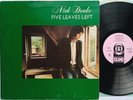
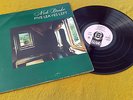
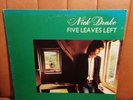
NICK DRAKE FIVE LEAVES PINK ISLAND ILPS 9105 GATEFOLD
£
500
$
663


Favourite Auctions
To save auctions to your favourites, please login
If you don't have an account, please register
Description
YOU ARE BIDDING ON A
VERY RARE LP
NICK DRAKE
FIVE LEAVES LEFT
TIME HAS TOLD ME
RIVER MAN
THREE HOURS
DAY IS DONE
WAY TO BLUE
'CELLO SONG
THE THOUGHTS OF MARY JANE
MAN IN A SHED
FRUIT TREE
SATURDAY SUN
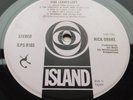
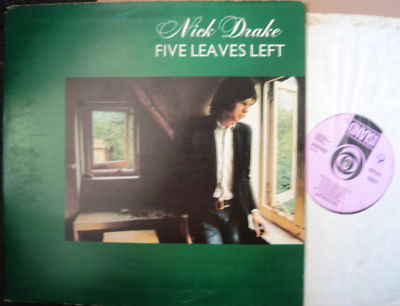
RELEASED ON ISLAND RECORDS ILPS 9105
MATRIX NUMBERS: ILPS 9105 A//2,
ILPS 9105 B//2
THIS STEREO RECORD HAS PINK ISLAND LABELS WITH BLACK CIRCLE LOGOS AND COMES IN A GATEFOLD SLEEVE
THE RECORD IS IN EXCELLENT CONDITION, THE SLEEVE HAS SOME EDGE/SPINE/CORNER WEAR, SLIGHT RINGWEAR, A COUPLE OF VERY SMALL SCUFFS, SLIGHT DISCOLOURATION/TANNING/STAINING DUE TO AGE, AND VERY SLIGHT SIGNS OF AGE/WEAR
WE DO COMBINE POSTAGE FOR ITEMS PURCHASED MEANING THAT WE DO PROVIDE POSTAGE DISCOUNTS ON MULTIPLE PURCHASES WHERE POSSIBLE, AS A RULE THE FIRST LP IS CHARGED AT STANDARD POSTAL RATE AND EACH ITEM THERE AFTER AT AROUND A 50% DISCOUNT, AND THE SAME GOES FOR 7" RECORDS, THERE MAY BE A FEW EXCEPTIONS TO THIS, SUCH AS BEING UNABLE TO COMBINE POSTAGE FOR A POSTER AND A RECORD, PLEASE FEEL FREE TO CONTACT US IF YOU ARE STILL UNSURE
ITEMS ARE PACKAGED IN STIFF CARD MAILERS WITH STIFFENERS, AND ARE REMOVED FROM SLEEVES PRIOR TO PACKING-UNLESS THE ITEM IS SOLD AS 'SEALED'
A singular talent who passed almost unnoticed during his brief lifetime, Nick Drake produced several albums of chilling, somber beauty. With hindsight, these have come to be recognized as peak achievements of both the British folk-rock scene and the entire rock singer/songwriter genre. Sometimes compared to Van Morrison, Drake in fact resembled Donovan much more in his breathy vocals, strong melodies, and the acoustic-based orchestral sweep of his arrangements. His was a much darker vision than Donovan's, however, with disturbing themes of melancholy, failed romance, mortality, and depression lurking just beneath, or even well above, the surface. Ironically, Drake has achieved a far greater stature in the decades following his death, with an avid cult following that grows by the year.
Part of Drake's failure to attract a mass audience was attributable to his almost pathological reluctance to perform live. It was at a live show in Cambridge, however, that a member of Fairport Convention saw Drake perform, and recommended the singer to producer Joe Boyd. Boyd, already a linchpin of the British folk-rock scene as the producer for Fairport and the Incredible String Band, asked Drake for a tape, and was impressed enough to give the 20-year-old a contract in 1968.
Drake's debut, Five Leaves Left (1969), was the first in a series of three equally impressive, and quite disparate, albums. With understated folk-rock backing (Pentangle bassist Danny Thompson plays bass on most of the cuts), Drake created a vaguely mysterious, haunting atmosphere, occasionally embellished by tasteful Baroque strings. His economic, even pithy, lyrics hinted at melancholy, yet any thoughts of despair were alleviated by the gorgeous, uplifting melodies and Drake's calm, measured vocals. Bryter Later (1970) was perhaps his most upbeat effort, featuring support from members of Fairport Convention, and traces of jazz in the arrangements. On some cuts, the singer/songwriter, remarkably, dispensed with lyrics altogether, offering only gorgeous, orchestrated instrumental miniatures that stood well on their own.
Neither album sold well, and Drake, already a brooding loner, plunged into serious depression that often found him unable to make music, work, or even walk and talk. He managed to produce one final full-length work, Pink Moon (1972), a desolate solo acoustic album that ranks as one of the most naked and bleak statements in all of rock. He did record a few more songs before his death, but no more albums were completed, although the final sessions (along with some other fine unreleased material) surfaced on the posthumous compilation Time of No Reply.
Drake's final couple of years were marked by increasing psychiatric difficulties, which found him hospitalized at one point for several weeks. He had rarely played live during his days as a recording artist, and at one point declared his intention never to record again, although he wished to continue to write songs for others. (It's been reported that French chanteuse Françoise Hardy recorded some of Drake's songs, but she hasn't released any.) On November 26, 1974, he died in his parents' home from an overdose of antidepressant medication; suicide has been speculated, although some of his family and friends dispute this.
In the manner of the young Romantic poets of the 19th century who died before their time, Drake is revered by many listeners today, with a following that spans generations. Baby boomers who missed him the first time around found much to revisit once they discovered him, and his pensive loneliness speaks directly to contemporary alternative rockers who share his sense of morose alienation.
price rating