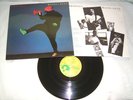
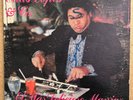
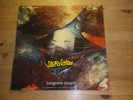
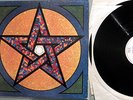
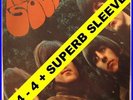
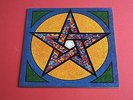
PENTANGLE - REFLECTION transatlantic TRA 240 LP 1971 UK
€
49
$
57


Favourite Auctions
To save auctions to your favourites, please login
If you don't have an account, please register
Description
endrucomics Store
PREMESSA: LA SUPERIORITA' DELLA MUSICA SU VINILE E' ANCOR OGGI SANCITA, NOTORIA ED EVIDENTE. NON TANTO DA UN PUNTO DI VISTA DI RESA, QUALITA' E PULIZIA DEL SUONO, TANTOMENO DA QUELLO DEL RIMPIANTO RETROSPETTIVO E NOSTALGICO , MA SOPRATTUTTO DA QUELLO PIU' PALPABILE ED INOPPUGNABILE DELL' ESSENZA, DELL' ANIMA E DELLA SUBLIMAZIONE CREATIVA. IL DISCO IN VINILE HA PULSAZIONE ARTISTICA, PASSIONE ARMONICA E SPLENDORE GRAFICO , E' PIACEVOLE DA OSSERVARE E DA TENERE IN MANO, RISPLENDE, PROFUMA E VIBRA DI VITA, DI EMOZIONE E DI SENSIBILITA'. E' TUTTO QUELLO CHE NON E' E NON POTRA' MAI ESSERE IL CD, CHE AL CONTRARIO E' SOLO UN OGGETTO MERAMENTE COMMERCIALE, POVERO, ARIDO, CINICO, STERILE ED ORWELLIANO, UNA DEGENERAZIONE INDUSTRIALE SCHIZOFRENICA E NECROFILA, LA DESOLANTE SOLUZIONE FINALE DELL' AVIDITA' DEL MERCATO E DELL' ARROGANZA DEI DISCOGRAFICI .
PENTANGLE
reflection
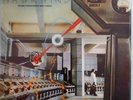
Disco LP 33 giri , 1971, transatlantic , TRA 240, 1st press, UK
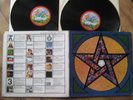
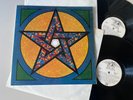
ECCELLENTI CONDIZIONI, vinyl ex++/NM , cover ex++/NM.
I Pentangle sono un gruppo britannico che ha proposto una innovativa miscela di folk, jazz e blues. Il nome, che significa "pentagono", indica i cinque membri della formazione originale che suona tra il 1968 e il 1972, contendendosi il titolo di più grande folk rock band inglese con i Fairport Convention. Come nel pentagono ogni lato è indispensabile, così ogni membro del gruppo apporta il suo fondamentale contribuito alla musica del gruppo. Inoltre il pentagramma è un simbolo mistico, che è rappresentato, tra l'altro, sullo scudo di Sir Gawain nel poema medievale Sir Gawain e il cavaliere verde, da cui Renbourn era affascinato.
- Etichetta: TRANSATLANTIC RECORDS
- Catalogo: TRA 240
- Matrici : TRA 240 A - 1 G / TRA 240 B - 1 G
- Data di pubblicazione: 1971
- Supporto:vinile 33 giri
- Tipo audio: stereo
- Dimensioni: 30 cm.
- Facciate: 2
- Copertina apribile/ gatefold , original transatlantic inner sleeve with tracklist and credits
Reflection was an album recorded in 1971 by folk-rock band Pentangle: Terry Cox, Bert Jansch, Jacqui McShee, John Renbourn and Danny Thompson. The folk numbers on this album are more Appalachian than British—in both the selection of songs and the arrangements, with notable use of banjos. The songs include "Wedding dress", "Omie Wise", "Rain and snow" and "Will The Circle Be Unbroken". This song includes some delicate wah-wah electric guitar and blues harmonica.
Amongst their own compositions, "When I Get Home" is a Jansch song, accompanied by his folk guitar plus a jazz lead guitar line by Renbourn. The song depicts a man getting drunk at a party, whilst his woman waits for him at home—sung with feeling by Jansch. "So Clear" (a rare John Renbourn composition for the band) is a number in which the whole band work together as a team, reminiscent of some of their earliest work. "Reflection", the title song of the album is an atmospheric piece, beginning with triple-tracked bowed and plucked double bass and ending with an improvisational jazzy section.
The album was recorded over a three-week period in March 1971, at a time when the tensions between the band members were high. Different band members were continually threatening to leave and attendance by Jansch and Renbourn at the recording sessions was dependent on their state of sobriety. Nevertheless, Reflection is highly regarded for its recording quality (the only Pentangle album to make full use of a 16-track studio) and was creatively successful.
Tracce
- "Wedding Dress" (Traditional) – 4:48
- "Omie Wise" (Traditional) – 4:23
- "Will the Circle Be Unbroken?" (Traditional) – 4:06
- "When I Get Home" (Pentangle) – 4:55
- "Rain and Snow" (Traditional) – 3:49
- "Helping Hand" (Pentangle) – 3:27
- "So Clear" (Pentangle) – 4:49
- "Reflection" (Pentangle) – 11:14
Personnel
- Terry Cox – drums, percussion, vocals
- Bert Jansch – acoustic guitar, banjo, vocals
- Jacqui McShee – vocals
- John Renbourn – acoustic guitar, electric guitar, vocals
- Danny Thompson – double bass
Biografia
La formazione originale
Il gruppo originale viene fondato nel 1967. Ne fanno parte: John Renbourn (Londra, 8 agosto 1944) e Bert Jansch (Glasgow, 3 novembre 1943), chitarristi che hanno già alcuni dischi alle spalle come solisti, oltre ad uno insieme (Bert & John). C'è poi Jacqui McShee (cantante folk con una certa fama, che ha già collaborato con Renbourn), Danny Thompson e Terry Cox, rispettivamente contrabbassista e batterista, provenienti dal gruppo Alexis Korner's Blues Incorporated e di formazione jazz.
Nel 1968, pubblicano il primo album, The Pentangle. Sebbene siano tutti molto giovani, riescono a miscelare in modo unico le loro già eccelse capacità musicali. C'è il jazz di Bells, Pentangling e Waltz, il blues di Hear my call e Way behind the sun, e il folk dei tradizionali Bruton Town (ballata che canta la gelosia di due fratelli per la sorella) e Let no man steal your thyme ("non lasciare che un uomo rubi il tuo timo", con un gioco di parola tra timo e time, tempo).
Alla fine dello stesso anno esce invece Sweet child, un album doppio contenente un disco live registrato alla Royal Albert Hall di Londra e uno in studio. Ancora una splendida dimostrazione di come i membri dei Pentangle sappiano fondere i loro diversi background musicali in uno stile unico: c’è l’omaggio al bassista jazz Charles Mingus (Haitian fight song e Goodbye pork-pie hat), ci sono gli spiritual (No more my Lord) e il blues del delta del Mississippi (Turn your money green e I’ve got a feeling), folk britannico (di nuovo Bruton Town, Sovay, The trees they do grow high, So early in the spring, solo voce, come venivano eseguite tradizionalmente le ballate), il duetto chitarristico di No exit, Three Part Thing, musica colta nelle Three Dances, di cui la seconda è La Rotta, danza italiana del XIV secolo.
Nel 1969, sfornano quello che sarà il disco di maggior successo: Basket of light. Il singolo Light flight è un vero e proprio volo musicale: un tempo composto, tipico del jazz, 5/8 e 7/8 alternati ad un 6/4. La canzone ha notevole successo, oltre che per la sua straordinaria bellezza, anche grazie alla trasmissione Take three girls della televisione inglese, per la quale fu scelta come sigla. Meno importanti gli spunti jazz, prevalgono le ballate: Once I had a sweetheart e Hunting song, ispirata alle leggende di Re Artù. C'è poi il blues di Train Song.
Il 1970 è l'anno di Cruel sister, che riprende la musica tradizionale inglese e americana, ma con l’approccio proprio del gruppo. La ballata britannica Jack Orion viene riletta con una lunga improvvisazione jazz. Non si può parlare di jazz, di folk rock, di blues: il disco trascende ogni definizione musicale. La sessione ritmica è puro swing, le voci di McShee e Jansch si alternano e rincorrono, il sitar e il dulcimer di Renbourn fanno da contrappunto alle chitarre di Jansch. In questo album fanno la comparsa per la prima volta nella produzione dei Pentangle le chitarre elettriche.
Nel 1971, esce Reflection. Brano d’apertura è Wedding dress, riproposta da Frank Zappa nel suo The lost episodes.
Nel 1972, pubblicano Solomon's seal, il loro sesto e ultimo album: il gruppo si scioglie nell'anno successivo. Ha prodotto 6 album in 5 anni. Thompson suona con John Martyn. Cox diventa turnista con il cantante francese Charles Aznavour, mentre Jansch riprende la sua attività solista.
John Renbourn in concerto alla Summerfest di New Bedford nel Massachusetts del 2005
John Renbourn Group
Nel 1974, Renbourn e McShee rifondano il gruppo. Nel 1977 pubblicano A maid in Bedlam. Nel 1980 esce The enchanted garden: il gruppo esplora nuovi territori musicali, con l'aggiunta dei fiati e di influenze orientali, come nell'indianeggiante Sidi Brahim.
Pentangle 1983-1995
Nel 1983, è Jansch a riformare i Pentangle, riuscendo a radunare McShee, Cox e Thompson e Renbourn per un tour in Europa ed Australia. Renbourn viene poi sostituito dal chitarrista e violinista Mike Pigott per le registrazioni dell’album Open the door (1984).
Nel 1985 a McShee, Jansch , Cox e Piggott si aggiunge il bassista Nigel Porttnan-Smith per le registrazioni di In the Round.
Bert Jansch in concerto nel 2007 a Seattle
Nell’anno successivo ancora dei cambi nella formazione, rimangono solo Jansch e McShee degli originali Pentangle, più Porttnan-Smith, il chitarrista-mandolinista Rod Clements (già bassista dei Lindisfarne) e il batterista Gerry Conway (che ha collaborato in passato con Cat Stevens. Questa formazione incide nel 1990 So early in the spring.
Peter Kirtly sostituisce poi alla chitarra Rod Clements: questa line-up continua con le registrazioni: nel 1991 esce Think of tomorrow, nel 1993 One more road, nel 1994 un live in Germania (Pentangle live '94).
Jacqui McShee's Pentangle
L'ultima formazione dei Pentangle è incarnata dalla sola cantante Jacqui McShee. Nel 1995, pubblica About thyme a nome Jacqui McShee, Gerry Conway e Spencer Cozens ai fiati. Tra gli ospiti compare Piggot al violino. Il trio McShee, Conway e Cozens prende il nome di Jacqui McShee's Pentangle, gruppo che pubblica Passe Avant (1999) e Feoffees' Land (2005).