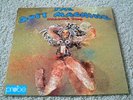
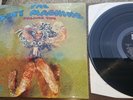
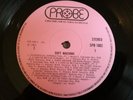
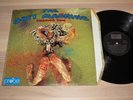
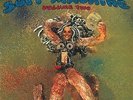
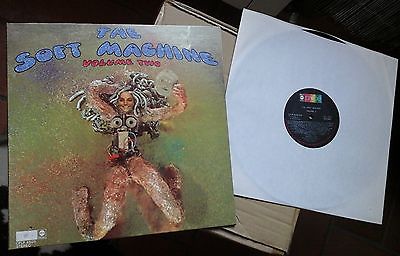
SOFT MACHINE - VOLUME TWO II probe CPLP 4505 S LP USA
€
79
$
92


Favourite Auctions
To save auctions to your favourites, please login
If you don't have an account, please register
Description
<div style="text-align:center"><img src="http://ti2.auctiva.com/sw/java.gif" border="0"><br><table align="center"><tr><td><a style="text-decoration:none" href="http://store.auctiva.com/endrucomics"><img src="http://ti2.auctiva.com/sw/browse2.gif" border="0"></a></td><td height="21px" valign="middle" align="center"><font face="arial" size="2"><b><a href="http://store.auctiva.com/endrucomics">endrucomics</a> Store</b></font></td></tr></table></div>
<img src="http://ti2.auctiva.com/web/aswCredit.gif" border="0"><br><a href="http://www.auctiva.com?how=scLnk2" target="_blank"><img src="http://ti2.auctiva.com/images/sc1line2.gif" border="0"></a> PREMESSA: LA SUPERIORITA' DELLA MUSICA SU VINILE E' ANCOR OGGI SANCITA, NOTORIA ED EVIDENTE. NON TANTO DA UN PUNTO DI VISTA DI RESA, QUALITA' E PULIZIA DEL SUONO, TANTOMENO DA QUELLO DEL RIMPIANTO RETROSPETTIVO E NOSTALGICO , MA SOPRATTUTTO DA QUELLO PIU' PALPABILE ED INOPPUGNABILE DELL' ESSENZA, DELL' ANIMA E DELLA SUBLIMAZIONE CREATIVA. IL DISCO IN VINILE HA PULSAZIONE ARTISTICA, PASSIONE ARMONICA E SPLENDORE GRAFICO , E' PIACEVOLE DA OSSERVARE E DA TENERE IN MANO, RISPLENDE, PROFUMA E VIBRA DI VITA, DI EMOZIONE E DI SENSIBILITA'. E' TUTTO QUELLO CHE NON E' E NON POTRA' MAI ESSERE IL CD, CHE AL CONTRARIO E' SOLO UN OGGETTO MERAMENTE COMMERCIALE, POVERO, ARIDO, CINICO, STERILE ED ORWELLIANO, UNA DEGENERAZIONE INDUSTRIALE SCHIZOFRENICA E NECROFILA, LA DESOLANTE SOLUZIONE FINALE DELL' AVIDITA' DEL MERCATO E DELL' ARROGANZA DEI DISCOGRAFICI .
SOFT MACHINE
volume two volume II
Disco LP 33 giri , 1969, probe / abc records, CPLP - 4505 - S, USA
ECCELLENTI CONDIZIONI, vinyl ex++/NM , cover ex++/NM , very thin promo drill hole in low left corner / piccolo foro nell' angolo inferiore sinistro (caratterizza le edizioni promo usa)
I Soft Machine sono una band inglese nata nei tardi anni '60 a Canterbury, Kent, e costituiscono una delle band di punta della Scena di Canterbury. Il loro stile musicale combina elementi tratti dal pop, dal rock psichedelico e dal jazz.
Volume two (1969) è il secondo album della progressive band inglese Soft Machine, appartenente al filone della scena di Canterbury.
Volume Two is an LP by The Soft Machine, first released in 1969. Its music introduces a jazz influence to the sort of humour and psychedelia present on "volume one": The Soft Machine (1968).
- Etichetta: Probe records / Abc records
- Catalogo: CPLP-4505-S
- Data di pubblicazione: 1969
- Matrici : CPLP 4505 A 2LW LW SS LH / CPLP 4505 B 2LW LW SS LH
- Supporto:vinile 33 giri
- Tipo audio: stereo
- Dimensioni: 30 cm.
- Facciate: 2
- Gatefold / copertina apribile, black label, white paper inner sleeve
"Volume Two" (1969)
Kevin Ayers' departure after the lenghty American tours of 1968 almost caused Soft Machine to break up. But when Wyatt and Ratledge were offered to play a few gigs to promote the newly released first album in February 1969, they brought in former roadie Hugh Hopper and reformed the band. This new start provided Ratledge with the impetus to really have a go at composing, and the result is his lengthy "Esther's Nosejob" suite, which totals 11 minutes and makes up most of side two of Volume Two. The arrangements are of an unprecedented sophistication, combining Ratledge's keyboards with the dual saxophones of the Hopper brothers (former Wilde Flowers leader Brian later augmented the trio on most of their 1969 gigs), and the music is largely experimental.
Side one is also made up of segued more song-based tracks, most of them Hopper-Wyatt collaborations, bearing the collective title "Rivmic Melodies". They are humorously introduced by a spoken statement by Wyatt presenting them as a collection of songs "from the official orchestra of the College of Pataphysics". Particularly funny is Wyatt's two-part "Concise British Alphabet". The album includes two other songs, "As Long As He Lies Perfectly Still", a tribute to former bandmate Kevin Ayers, alluding to his macrobiotic food addiction as well as directly quoting from "Why Are We Sleeping?" and "Lullabye Letter"; and "Dedicated To You, But You Weren't Listening", a exquisitely weird Hopper song that Wyatt singing suitably oblique lyrics to an unorthodox open-tuning acoustic guitar chord sequence.
Tracce
Side one
- "Rivmic Melodies"
- "Pataphysical Introduction – part I" (Robert Wyatt) – 1:00
- "A Concise British Alphabet – part I" (Hugh Hopper, arr. Wyatt) – 0:10
- "Hibou, Anemone and Bear" (Mike Ratledge / Wyatt) – 5:58
- "A Concise British Alphabet – part II" (H. Hopper, arr. Wyatt) – 0:12
- "Hulloder" (H. Hopper, arr. Wyatt) – 0:52
- "Dada Was Here" (H. Hopper, arr. Wyatt) – 3:25
- "Thank You Pierrot Lunaire" (H. Hopper, arr. Wyatt) – 0:47
- "Have You Ever Bean Green?" (H. Hopper, arr. Wyatt) – 1:23
- "Pataphysical Introduction – part II" (Wyatt) – 0:50
- "Out of Tunes" (Ratledge / H. Hopper / Wyatt) – 2:30
Side two
- "As Long as He Lies Perfectly Still" (Ratledge / Wyatt) – 2:30
- "Dedicated to You But You Weren't Listening" (H. Hopper) – 2:30
- "Esther's Nose Job"
- "Fire Engine Passing with Bells Clanging" (Ratledge) – 1:50
- "Pig" (Ratledge / Wyatt) – 2:08
- "Orange Skin Food" (Ratledge) – 1:52
- "A Door Opens and Closes" (Ratledge) – 1:09
- "10:30 Returns to the Bedroom" (Ratledge / H. Hopper / Wyatt) – 4:14
Formazione
- Robert Wyatt – drums, lead and backing vocals
- Mike Ratledge – piano, Lowrey Holiday De Luxe organ, Hammond organ, flute
- Hugh Hopper – bass guitar, acoustic guitar, alto saxophone
with
- Brian Hopper – soprano and tenor saxophone
The first Soft Machine LP usually got the attention, with its movable parts sleeve, as well as the presence of ultra-talented songwriter Kevin Ayers. But musically, Volume Two better conveys the Dada-ist whimsy and powerful avant-rock leanings of the band. Hugh Hopper took over for Ayers on bass, and his fuzz tones and experimental leanings supplanted Ayers' pop emphasis. The creative nucleus behind this most progressive of progressive rock albums, however, is Robert Wyatt. He provides the musical arrangements to Hopper's quirky ideas on the stream-of-consciousness collection of tunes ("Rivmic Melodies") on side one. Unlike the first record, which sounded choppy and often somnolent, this one blends together better, and it has a livelier sound. The addition of session horn players enhanced the Softs' non-guitar lineup, and keyboardist Mike Ratledge, whose musical erudition frequently clashed in the early days with the free-spirited Wyatt, Ayers, and Daevid Allen, lightened his touch here. He even contributes one of the album's highlights with "Pig" ("Virgins are boring/they should be grateful for the things they're ignoring"). But it's Wyatt who lifts this odd musical jewel to its artistic heights. He uses his tender voice like a jazz instrument, scatting (in Spanish!) on "Dada Was Here," and sounding entirely heartfelt in "Have You Ever Bean Green," a brief tribute to the Jimi Hendrix Experience, with whom the Softs toured ("Thank you Noel and Mitch, thank you Jim, for our exposure to the crowd"). Fans of the Canterbury scene will also relish "As Long As He Lies Perfectly Still," a loving tribute to ex-bandmate Ayers. This is the one record that effectively assimilates rock, absurdist humor, jazz, and the avant-garde, and it misses classic status only due to some dissonant instrumentation on side two.
Soft Machine "Volume Two ".
La loro musica in questo "Volume Two" del 1969 e' un insieme di jazz, psichedelia, rock, musica classica d' avanguardia e dada, con testi 'patafisici' e ricchi di humor britannico. In questo particolare disco i tre musicisti raggiungono vertici espressivi magnifici. I Soft Machine vi inseriscono effetti sonori insoliti, amplificazioni particolari. Insomma : costruiscono quello che successivamente venne chiamato 'Scuola di Canterbury sound', ma anche 'art-rock'. Va detto che nella primissima formazione suonava David Allen alla chitarra elettrica, poi leader dei Gong, e che Kevin Ayers al basso regala una forte impronta al suono dei S. M. nel loro primo disco d' esordio, registrato negli USA, nel 1968. Ma bisogna affermare che Wyatt, Ratledge, Hopper, sono la vera formazione dei Soft Machine : il vero fulcro geniale. Una formazione che ha avuto nel corso dei primi dieci anni di vita parecchi inserimenti ed uscite.
"Pataphysical Introduction Part I" presenta immediatamente il rock dei S. M. : grezzo, sincopato, con effetti insoliti : sia nel cantato che nelle parti melodiche. Grande.
"A Concise British Alphabet Part I" e' una semplice filastrocca alfabetica ma dal forte sapore psichedelico.
"Hibou, Anemone and Bear" apre con una chitarra elettrica distorta per poi appoggiarsi su di una stralunata tastiera che quindi lascia il posto al canto fuori-schemi di Wyatt che si prende anche una bella parte solistica alla batteria.
"A Concise British Alphabet Part II" si ripete, ma con le lettere dell' alfabeto cantate dalla Z alla A.
"Hullo Der" ha un incedere molto vario, passando e ripassando tra tematiche rock e jazz. E' cantato in spagnolo dal magnifico Wyatt che qui sorvola sopra il pezzo con i suoi geniali artifici vocali. Al grezzo delle distorsioni e di tastiere psichedeliche e sgraziate si inseriscono brevi ma interessanti fraseggi di piano. Grandissimo.
"Dada Was here" e' un ottimo pezzettino di jazz-bluesato che si tuffa nella eccezionale "Thank You, Pierrot Lunaire" dove ha termine il fraseggio ritmico e prende posto il vocalizzo ricco d' effetti di un Wyatt in forma smagliante.
"Have You ever Bean Green ?" continua la permormance jazz-rock iniziata da "Dada..." gettandosi nuovamente nelle lineee introduttive del disco. Siamo nella "Pataphysical Introduction Part II" che prepara l' ultimo 'salto'... Quello nella sperimentale "Out of Tunes". Si tratta di un brano ricchissimo di rock sperimentale e d' avanguardia. Gli effetti sonori inseriti, i fiati stridenti, il vocalizzo alto e sognante ne fanno un pezzo-capolavoro con una ritmica dai tratti jazzati molto ben evidenziata.
"As Long as He Lies Perfectly still" si muove ben ritmata dal piano di Ratledge sul quale la voce di Wyatt ed uno strano suono lungo-distorto di tastiere ne costituiscono la melodia.
"Dedicated to You but You Weren't Listening" e' tutta farina di Hopper che inventa con la chitarra acustica una dissonante melodia per la voce altrettanto 'dada' di Wyatt. Bellissima.
"Fire Engine Passing with Bells Clanging" vede il primeggiare di Ratledge con le sue tastiere psichedeliche ed avanguardistiche. Wyatt lo rincorre percussivamente. Ne esce un' altra delle bizzarrie elettriche dei Soft Machine.
"Pig" dopo un' apertura molto d' effetto, si muove su linee jazz sperimentali.
"Orange Skin Food" presenta ripetitivi fraseggi ritmici segnati da dissonanze di tastiere sgraziate.
"A Door Opens and Closes" continua sui medesimi toni musicali del precedente pezzo.
"10.30 Returne to the Bedroom" va a chiudere magnificamente il disco inserendo un' altra ed alta lezione di batteria di Wyatt che si interrompe per dare posto al gran finale sperimentale dei tre geni di Canterbury.
Ad un primo ascolto questo "Volume Two" puo' far dire quanto gia' si poteva pensare del precedente disco "Volume One" : musica stralunata, dissonante, dal difficile assorbimento, cerebrale. Le contaminazioni non si contano, il fluire dello sperimentare si contrappone totalmente al genere canzonettistico pop. L' unica critica che si puo' fare ai 17 brani e' che, a volte, mancano di maggiore sviluppo compositivo (sviluppo raggiunto, anche troppo, nel successivo "Third" del 1970). Ma di una cosa si e' certi : basta saper abbandonarsi al secondo ascolto per gia' riuscire ad entrare in tutte le variopinte espressivita' musicali che questi tre geniali 'canterburyani' hanno saputo inventare per/nel Rock.
One of about half dozen albums in my lifetime, first heard being played on a record shop's speakers and I had to have it - (btw that was Musicland In Kingston, who had stock of the US import many weeks before the album's UK release date in the 60's).
This wasn't quite like what I had ever heard before. This was new: especially rock music being putted together and played like I had never heard before. Side one is really one track, despite the sub-titles offered on the sleeve notes: a long song which keeps changing tempo and modes and ideas (and these at first seemed quite whacky). This sounded to me to be cutting edge rock - yet tempered by jazz, illuminating in my mind what I had only read in magazine reviewing the performances of the more avante gard bands of the British psychedelic underground. I could just about cope with the jazz (I had heard the likes of Mike Westbrook and a few of the other young British jazzers) but it wasn't the lacklustre trad heard too often on radio (or the modern jazz of Brubeck), this was something particularly British.
And then there was that vocalist: what a strange voice, what were those freaky lyrics - subsequently John Peel called it 'the school of anti-song', and within the last few months saxophonist Theo Travis called it one of the rare examples of 'jazz vocal with a British accent'. Both definitions after 35 years of listening to Robert Wyatt as a vocalist, hitting close to the centre of the target. It took a Saturday afternoon to crack those lyrics with the daft opening featuring the British alphabet and then sung in reverse order about 4 minutes later (note: Y is heard in LH channel while the rest of the alphabet in the RH stereo channel - watch-out for those throw away jokes). Through the longer, complex instrumental breaks Wyatt comes back, here singing about the joys of being a British hippy, then something in Spanish lost in the mix and finally coming back to thank Noel Mitch & Jim for 'our exposure to the crowd' before thanking Mike (Ratledge or manager Jeffreys?, is the current debate) for ???? (well this is being debated as well). Then the coda and a free jazz ending. Amazing stuff and only half way through.
Side 2 has a change of mood although it gets even more jazzy. That is apart from 'Dedicated To You But You Weren't listening', (the most covered Machine song???). A song written by Hugh Hopper, sung by Wyatt to an acoustic guitar, with its metaphysical lyrics (how many songs include lines like: "Famous Parabolic Version" or "Give Me The Cure, Give Me The Cure, Give Me The Cure, Help me".......?), a beautifully weird song that haunts. Then the band are back down to business with just over 10 minutes of avante rock (or avante jazz ??) instrumentals - and a great potted drum solo from Wyatt.
And the rest of the band/ Ratledge - frightening, complex, accomplished on keys - nobody sounding like this before not even Keith Emerson, who then would have been the immediate comparison, (in passing: how can anybody omit Ratledge from a keyboard poll- suggests limited musical horizons). And Hugh Hopper, replacing Kevin Ayers on bass, providing Machine with a very different sound, low in the bottom and muddy with a fuzz effect that filled the space that a three piece group might leave in their wake. Hey apart from the 3 minutes of "Dedicated", there is no guitar................ however, the saxophone does duties in support c/o Hugh's brother Brian.
This is a seminal British album,THE precursor to British jazz rock, the half way house between psychedelia (of 'Soft Machine') and jazz rock fusion ('Third' and after). But also an album that also has large chunks of recognisable straight prog rock. This especially comes home to you when you hear Soft Machine's 'Live At Paradiso' - recorded 2 weeks after they finished 'Volume 2'. In Amsterdam, Soft Machine as a three piece lacked the jazz sax, and with a considerable shuffle around of tune order, the music of 'Volume 2' sounds less jazz-based. Instead the progressive rock elements are more obvious - perhaps allowing direct parallels to be drawn with The Nice.
In summary a great timeless album but one that is far from safe.
I Soft Machine nacquero dallo scioglimento dei Wilde Flowers, un gruppo storico nel quale suonarono, negli anni '60, numerosi musicisti destinati a formare in seguito gruppi estremamente influenti della scena di Canterbury (oltre ai Soft Machine, in particolare, i Caravan). La prima formazione dei Soft Machine comprendeva Kevin Ayers (basso), Robert Wyatt (batteria e voce), Daevid Allen (chitarra) e Mike Ratledge (tastiere). Allen lasciò la band prima dell'uscita del primo disco (avrebbe in seguito fondato un altro importante gruppo di derivazione Canterbury, i Gong. Ayers fu sostituito da Hugh Hopper all'epoca del secondo disco.
I Soft Machine cominciarono a suonare nel 1966, ma il loro primo album fu inciso soltanto nel 1968. I primi due album si inseriscono nel solco della tarda psichedelia inglese, con un particolare senso dello humour, la ricerca vocale di Robert Wyatt, e sonorità che si avvicinano al jazz. In particolare, nel secondo album Volume Two ogni facciata è composta da una lunga suite di brani, uniti tra loro senza soluzione di continuità.
L'apice della notorietà e della fortuna critica giunse con l'acclamato Third, un album doppio con soli quattro brani, ciascuno della lunghezza di un'intera facciata. L'ingresso di un sassofonista, Elton Dean, e la collaborazione di altri fiati, avvicinano l'opera al Miles Davis di quel periodo, seppure con numerosi elementi inediti.
Robert Wyatt lasciò il gruppo nel 1971, dopo l'album strumentale Fourth, deluso dalla nuova impostazione più rigidamente jazz che lasciava poco spazio alle sue sperimentazioni vocali. Fondò i Matching Mole, che avrebbero dovuto essere una ideale prosecuzione dell'opera dei primi Soft Machine, ma che si sciolsero dopo circa un anno in seguito al grave incidente che costò a Wyatt la paralisi.
A partire dall'album successivo all'uscita di Wyatt entrarono nella formazione dei Soft Machine alcuni elementi già membri dei Nucleus, una band di jazz rock: il contrabbassista Roy Babbington (uscito subito dopo), il batterista John Stanley Marshall e soprattutto il tastierista Karl Jenkins, che assunse presto il ruolo guida del gruppo. La musica assunse i toni della fusion.
Mike Ratledge fu l'ultimo membro della formazione originale a lasciare la band (nel 1976). Nello stesso periodo entrò Allan Holdsworth, che riempiva il ruolo di chitarrista, rimasto vacante fin dall'abbandono di Daevid Allen.
I Soft Machine continuarono a suonare fino al 1984, diradando i loro sforzi in studio già dal 1976.
Soft Machine was formed in 1966 by Robert Wyatt, Mike Ratledge, Kevin Ayers and Daevid Allen. Wyatt had already worked with Allen in the Daevid Allen Trio (which Ratledge occasionally jammed with) in 1963, and with Ayers in the Wilde Flowers in 1964. Although the band had its roots in Canterbury, it soon became a London-based band.
In January 1967, the band's one and only single ever was recorded : it had two songs on it, "Loves Make Sweet Music" and "Feelin', Reelin', Squeelin'". Three months later, a collections of demos was recorded at DeLane Lea Studios with producer Giorgio Gomelsky, but not officially released until 1971 (on two compilations on the French Byg label). At that time, Soft Machine had already become something of a 'cult' band on the London psychedelic scene, gigging at places like the Roundhouse or the UFO. On April 29th, 1967, they took part in an event set up by the underground paper 'International Times', which also featured the Pink Floyd, and was given the name, '14 Hour Technicolor Dream'.
During the summer, the band was involved in an avant-garde theatre project in St.Tropez, on the French Riviera, and it was on the way back that Daevid Allen was refused re-entry to England. So he stayed in France, moving on to various projects before forming Gong two years later, while Wyatt, Ratledge and Ayers decided to carry on as a trio.
In February 1968, Soft Machine embarked on a 3-month US tour (opening for the Jimi Hendrix Experience), recording their first album in New York in four days in April, with production handled by Tom Wilson and Chas Chandler, former Animals bassist and Hendrix's producer. Although quickly made (most tracks are first takes) and not particularly well-recorded, "The Soft Machine" is now considered a classic of the extraordinarily creative post-psychedelic, pre-progressive, period of the late 60's... and quite rightly so!
In May, a guitarist by the name of Andy Summers (also on the earlier Hendrix US tour, backing Eric Burdon... later in The Police, of course!) joined, for the second leg of the American tour (July-September), but left mid-tour. Disagreements on the musical direction began to arise between Ayers and Wyatt-Ratledge, leading to their parting company after the tour was completed. Wyatt stayed in Hollywood to work with Jimi Hendrix, while Ratledge and Ayers flew back to Europe. In December 1968, Wyatt was contacted by Probe, who had just released the first album, to discuss possible live dates by the band to promote it. With Ayers unavailable, Hugh Hopper was asked to join (he was about to sell his bass!), and after a month of rehearsal, the new line-up made its live debut at the Royal Albert Hall in February, a few days before entering Olympic Studios to record the second album.
For "Volume Two" and most of the subsequent gigs, the trio was augmented by Hugh's brother, Brian, who played tenor saxophone. This was the symptom of the band's gradual evolution towards jazz, clearly apparent on the album. In the Autumn of 1969, a permanent brass section was recruited from pianist Keith Tippett's jazz band : Elton Dean on alto sax, Marc Charig on trumpet, Nick Evans on trombone. Another sax (and flute) player, Lyn Dobson, was added following Dean's recommendation. The resulting septet was only together for a few weeks, recording BBC sessions in November and touring France quite extensively towards the end of the year; Evans and Charig then left to pursue successful careers on the European jazz scene (although they guested on subsequent albums).
During the first months of 1970, Soft Machine recorded "Third", a double album which included four sidelong compositions. Hugh Hopper's angular "Facelift" was a collage of live performances made in January, and is the only track featuring Lyn Dobson, who had left by the time the studio sessions for the other four sides had begun. Mike Ratledge contributed two sides : "Slightly All The Time", a progressive jazz masterpiece made all the more successful by the inclusion of the "Backwards" theme (bookended by Hopper's transition theme "Noisette") from previous live medleys; and "Out-Bloody-Rageous", which showcased the band's use of tape loops and featured strong group interplay. Finally, "Moon In June", Robert Wyatt's side, was something of a farewell to Soft Machine's original style, the last piece by the band ever to feature vocals; it was actually a montage of several old songs, some of them dating back to the 1967 Gomelsky sessions, but superbly linked together (Wyatt had recorded a demo of the suite in the USA in 1968). A good indication that the rest of the band weren't too keen on pursuing that kind of direction was that, although uncredited as such, "Moon In June" was largely a solo performance by Wyatt, who played organ and keyboard bass as well as drums and vocals. Hopper and Ratledge only appeared for a brief instrumental extravaganza at the end of the main part; Wyatt didn't even ask them to play on the rest.
So by mid-1970, Soft Machine had become a purely instrumental band; Wyatt being the only member wanting vocals in the music, the majority won... During the summer, Wyatt recorded his first solo album, "The End Of An Ear", on the sleeve of which he described himself as an 'out-of-work pop singer'... But a collection on pop songs the album was not : no lyrics, no conventional singing, rather a very experimental collection of mainly improvised material (the titles of the tracks referred to several Canterbury figures : "To Caravan And Brother Jim" etc.) except for a cover of Gil Evans' "Las Vegas Tango", with the voice used as an instrument and heavily treated, mostly through tape speed alterations. The results were, depending on one's taste, unlistenable or startlingly original and unique.
In the autumn, following a controversial appearance at the Royal Albert Hall for the famous 'Promenade Concerts' in August, the 'classic' line-up of Wyatt , Hopper, Ratledge and Dean recorded "4", in fact their first and last studio album as a quartet, although this incarnation would more or less survive for one more year. This effort carried on in the vein of "Third"'s instrumental tracks (with a welcome return to the septet format on the extraordinary "Teeth" and "Virtually"), and in this respect was an impressive achievement, although the complete lack of vocals made some listeners wonder if the band could still go on under the name Soft Machine... If only they'd known how many changes of personnel and musical direction were still ahead of them!!!
1971 was a year of experimentation, as one can tell from listening to the radio sessions recorded on this period. Several musicians (various brass players, string-bassist Roy Babbington and drummer Phil Howard) were sometimes added to the basic quartet, furthering the evolution towards jazz. That same year, Elton Dean released his first solo album, in much the same vein, with his own Elton Dean Band musicians (Howard and bassist Neville Whitehead), and Ratledge among the guests.
When Wyatt finally left in July, later forming Matching Mole, Phil Howard was a natural choice as replacement, but he rapidly left, midway through the sessions of the "5" album - his style was considered too 'free' by Hopper and Ratledge... and a good majority of the audiences who had seen the band play that autumn. He was in turn replaced by John Marshall, one of the very best drummers in Britain, formerly of Nucleus among other bands. With Marshall in, Soft Machine rapidly moved away from the straighter jazz feel of "5", into more 'jazz-rock' territory, which apparently wasn't to the taste of Elton Dean, who left in May 1972. He subsequently worked with mainly acoustic jazz ensembles, although he was also (quite surprisingly) involved in the Dutch 'progressive rock' band Supersister in 1973-74.
Ex-Nucleus pianist/reeds player Karl Jenkins wasn't really a replacement for Dean, as his multiple talents, including that of composer, rapidly made him the co-leader of Soft Machine with Ratledge. With the impressive Hopper/Marshall rhythm section at their disposal, the pair could allow themselves any level of complexity and musical variety. "Six Album", released in early 1973, was a double half-studio, half-live set. The latter showcases the interplay between the four musicians, while the former is more experimental, focussing on Jenkins and Ratledge's dual keyboard patterns and the use of Echoplex, most notably on the hypnotic "The Soft Weed Factor".
In May 1973, Hugh Hopper decided that four years in Soft Machine was enough and that it was time to move on to pastures new. He had just released his first solo album, "1984", and went on to release several others, and work with countless jazz and progressive bands throughout the decade, and again from the mid-eighties onwards after he stopped playing for five years. Roy Babbington, who had guested on a couple of Soft albums a double-bass player, was a natural replacement, except for the fact that he now concentrated on his 6-string bass guitar. The resulting line-up recorded "7", a natural progression from the studio album of "Six Album", with shorter compositions and even less jazz influence.
Perhaps sensing that, for the first time in the band's existence, Soft Machine's music tended to repeat itself, it was decided to add guitarist Allan Holdsworth to the line-up in December 1973. The resulting quintet (which toured North America in early 1974) was a fusion powerhouse, with possibly the best British drummer and guitarist at that time. Consequently, the music took a decidedly 'rocky' character, as documented on "Bundles", recorded in the summer of 1974 but only released in the spring of 1975. This was the first Soft album not to bear a number, a sign that times were surely changing : the band had left CBS for EMI/Harvest, and also left the underground scene for a more mainstream approach at a time when American fusion bands were a dominant force (and reached their commercial peak).
Holdsworth left shortly after the release of "Bundles", and recommended fellow guitarist John Etheridge as a possible replacement. This proved satisfactory and in the summer of 1975 Soft Machine embarked on an ambitious, but ill-fated, package tour of European arenas with the likes of Caravan and the Mahavishnu Orchestra. From then on, the band's popularity waned as it failed to sustain the momentum initially gathered by its new orientation. Ratledge, the last remaining founding member, left in March 1976, leaving Soft Machine's reins in the hands of Jenkins and Marshall. "Softs" appeared later that year, with Alan Wakeman (the cousin of famous keyboard wizard Rick) on saxophone; a shortlived addition as he left after less than six months, to be replaced by a violin player, Ric Sanders. Babbington also left after a last appearance in Edinburgh, and was replaced first by Brand X's Percy Jones, and finally Steve Cook (ex-Gilgamesh/Mirage). The live album "Alive And Well, Recorded In Paris" (1978) documented a series of French gigs in July 1977. Soft Machine subsequently ground to a halt, perfoming its last gig in Bremen in December 1978.
Soft Machine was active again for one more album - the purely studio affair, "Land Of Cockayne" (1981), with an all-star line-up featuring Allan Holdsworth and Jack Bruce alongside Jenkins and Marshall, but a rather uninspiring mixture of American fusion and orchestral 'muzak' - and a series of gigs at London's Ronnie Scotts club in the summer of 1984, with a line-up of Jenkins, Marshall, John Etheridge, Dave MacRae and bassist Paul Carmichael. Plans for further studio and live projects never materialized and indeed probably never will, as Karl Jenkins has found far more lucrative activities in the field of library, TV and advertisement music, most notably with his Adiemus project.
The Soft Machine - An Annotated and Opinionated Discography
I should put a label on this band's music so you can all conveniently file it away and forget about listening to it. Unfortunately, it's not so easy so let's just call it "composed and improvised music played on electrically amplified instruments." All in all, not very danceable. DISCLAIMER: The following is typed completely from memory as circumstance has temporarily separated me from a large part of my record collection. Especially unreliable are the dates attributed to some of the recordings.
The Soft Machine: First official album. Lineup: Robert Wyatt, Mike Ratledge and Kevin Ayers. The music bears Ayers stamp more than anyone elses. Here, the group has already taken a big turn away from normal pop music. Individual songs are bridged by improvised bits. Ratledge's organ solos are killers. Some goofy sixties production values date the work, however (big panning and swish boom effects). Produced by Chas Chandler and Tom Brown) but the story has it that the band effectively produced themselves while Chas was on the phone.
Volume II: Produced by George Martin. Ayers replaced by Hugh Hopper, their former roadie. Features long complex compositions with a backing horn section. The group has started to take to improvisation in a big way ("Esther's Nose Job") though some pop values remain ("Dedicated to You," "As Long as He Lies Perfectly Still").
Third (two discs): One of their most brilliant efforts. The classic lineup of Wyatt, Ratledge, Hopper, and Elton Dean (horns). Four sides, four compositions featuring extended improvisations from all musicians. Influences ranging from Terry Riley to Eric Satie. "Moon in June" is the last sample of Wyatt's singing with the band.
Four: Same lineup as Third. Roy Babbington has a guest appearance on double bass. More "jazzy," less dramatic and cooler than Third.
Fifth - The other essential Soft Machine album. Wyatt has left to form Matching Mole (from the French translation of "soft machine": "machine molle"). Replaced by Neil Dolen, then John Marshall. One piece of music that I have not grown tired of listening to after eight years, especially the opening cut "All White" where Elton Dean blows extremely hot.
Six (two discs, one recorded live): Karl Jenkins comes on board to replace Elton Dean. The live stuff is pretty bland. The studio disc contains four compositions of which "Chloe and the Pirates" makes buying the whole set worthwhile. "Stanley Stamp's Gibbon Album" contains a lot of manic energy but Ratledge's improvisations seem to be losing their edge and the whole song bogs down in repetitivity. Hugh Hopper's "1984" is a rather dark experimental piece. Jenkins' piece presages "New Age" music with some complex but repetitive polyrythms.
Seven: Roy Babbington in, Hugh Hopper out. This album can be classed as the last of the Soft's main period as Jenkins begins to assume control of the band. Interesting but not entirely successful.
Bundles: Allan Holdsworth joins up. Ratledge is still present but on the margin. Jenkins more or less ceases to play his horns and takes up keyboards. The presence of Holdsworth exemplifies the music on this album, which is mostly in the heavy guitar based jazz-rock vein. Holdsworth fans should definitely get this one.
Softs: Ratledge and Holdswort leave. Guitar taken over by John Etheridge. Music continues to develop in the Jenkins direction: new age tinged jazz-rock (hmm, that might suggest Pat Metheny to some but that's not right. Think of Mahavishnu Orchestra's Birds of Fire with a dose of Wyndham Hill or vice versa).
Alive and Well: From a series of Paris concerts. More of the same.
Land of Cockaigne: Last studio album (last album ever?). Mostly a Karl Jenkins solo effort with backing from an orchestra, Marshall, Holdsworth, and Jack Bruce(!).
The Peel Sessions (Top Gear BBC recordings, 2 cd's): Fantastic collection of live recordings featuring Wyatt, Ratledge, Hopper, and Dean. Contains recordings of the brief seven man lineup with the addition of Marc Charig, Lyn Dobson, and a third person. ('69, '70, '71).
Triple Echo: Legendary three disc compilation of material up to Fifth or Six. In 1983, I saw a battered copy in a used record shop in New York going for $100.
The Unbeatable Soft Machine: Compilation of Jenkins-era material. With 78 minutes of music on one disc, you can buy this one and forget about Bundles and after.
Spaced is early, (until recently) unreleased recording, which can be seen as Soft Machine's foray into electronic music, probably helped by some "chemistry". Virtually and Noisette are essential live recordings from 1970-71 period, when Robert Wyatt was still part of the group. Noisette is from short-lived quintet line-up (with Lyn Dobson - reeds), and encapsulates the concert on which "Facelift" was recorded for the Third, while Jet-Set could offer some insights into earlier "wring-outs" of one of the most inspiring ensembles ever. -- Nenad Kobal
Qual'è il disco più bello dei Soft Machine?
Third alla quasi unanimità, OK sono d'accordo. Solo un gradino più sotto, però, colloco quel manifesto-summa del Jazz-Prog di Canterbury che risponde al nome di Volume 2. L'album si struttura come una lunga suite ispirata alla Patafisica, la scienza che si propone di trovare soluzioni a problemi immaginari. Vera gemma nel forziere è da considerarsi la splendida "Hibou Anemone and Bear", fresca e geniale, sostenuta dall'organo di Ratledge non ancora debordante come nelle opere successive, innervata dal drumming originalissimo di Wyatt. Le acrobazie vocali di quest'ultimo, che troveranno il loro apogeo in "Moon In June" su Third, costituiscono qui il tema base dell'intero album; divertissements sempre sostenuti da grande tecnica musicale e geniale inventiva.
Certo, un simile equilibrio psycho-pop-dadaista non nasce certo ex abrupto ma è adeguatamente preparato dal pop surreale e solo un poco meno rivoluzionario del predecessore Volume 1, anno 1968. A caratterizzare il sound di quest’ ultimo c’era la vena melodica e deliziosamente morbida del dandy-freak Kevin Ayers, che lascerà il posto al ben più serioso (ma altrettanto geniale) Hugh Hopper. Il risultato? Il sound si approfondisce ed acquisisce spessore, tendendo ad una deriva Jazz che sarà palese in "Third" e più ancora negli album successivi. Era il 1969: se "In the Court of the Crimson King" costituiva l'introduzione al Progressive tutto, Volume 2 dei Soft Machine rappresenta la premessa indispensabile del Jazz-Prog di Canterbury, forse il sottogenere più interessante del grande calderone "romantico".
E' il 1970 e il rock si permette di essere anche anti-commerciale, proponendosi audacemente come miscela musicale no-limit, all'interno della quale opereranno musicisti di estrazione prevalentemente jazz ma dalla concezione (e dalle ambizioni) artistiche assai spregiudicate e incuranti dei rigidi standards dell'epoca.
Tutto ha inizio intorno ai primi anni '60: uno stuolo di innovativi musicisti si ritrovano regolarmente in clubs e pubs della loro citta', Canterbury, onde formare i primi complessi che, tempo qualche anno di febbrile, incessante attivita', diverranno noti come gli illustri esponenti del Canterbury Sound, la "Scuola di Canterbury". A farne parte sono eccentrici quanto inusuali personaggi: Kevin Ayers, Robert Wyatt, Elton Dean, Mike Ratledge, che nel 1968 costituiranno il primo embrione del progetto Soft Machine. A loro, precedentemente, si era unito uno stravagante, enigmatico personaggio di nome David Aellen, futuro fondatore di uno dei complessi piu' "improbabili" (qui "improbabile" ha un'accezione del tutto positiva) e "strambi" che la Storia del Rock ricordi, i Gong: si trattava di un combo dominato dalla personalita' folle e stralunatissima del loro leader, fedelmente coadiuvato, compensato dalla chitarra space-rock estremamente inventiva (ricca di colori ed eccentriche sfumature) di Steve Hillage; essi composero e portarono alla luce la trilogia piu' erratica, cerebrale e forse anti-istituzionale di sempre, solchi di alchimie inascoltabili, per mezzo delle quali venivano "vomitati" sull'esterefatto ascoltatore di turno (magari solo di passaggio)autentici sketches semi-demenziali sui quali si stagliavano, facendo da contrappunto, brevi frasi melodiche decostrutturate, apparentemente "figlie" di un processo illogico dominato da menti alquanto "deviate", "malate di psichedelia" ed agghiacciante, debordante e incontrollabile cerebralita'. Musica dai caratteri spesso volutamente incomprensibili, totalmente anti-commerciale e destinata a un pubblico di severa èlite intellettualoide-schizo-anarchica. D'altronde nessuno avrebbe dubitato allora della latente, ingombrante anarchia di un personaggio assoluto come David Aellen, perfino rifiutato in madrepatria a causa dei suoi gesti di destabilizzante pazzia (e rifugiatosi in Francia, che divenne presto la sua "seconda casa"), uniti ad un carisma del tutto anti-dogmatico che certo il Sistema britannico allora poco gradiva (e poco era disposto a comprendere).
I Soft Machine incidono il loro primo LP intitolato semplicemente Volume One nel 1968. Subito vengono tracciate le coordinate musicali imposte prevalentemente da Ayers, Wyatt e Ratledge, i principali compositori: una eccitante, del tutto "anti-pop-rockistica" commistione di melodie e "contro-melodie" (talvolta autentici rigurgiti e allucinate trovate, incastrate alla perfezione lungo i solchi del disco), per mezzo delle quali l'estrazione jazz dei musicisti e' "palpabile" ma mai fastidiosamente pomposa o particolarmente auto-indulgente; occorre valutare attentamente l'anno di pubblicazione di questa prima opera canterburiana: era il 1968, un anno di febbrili contestazioni, un periodo convulso e denso di pathos emotivo, drammatico nel suo evolversi e capace di calamitare attorno a sè l'attenzione di un mondo sconvolto, "struprato" dalle migliaia di vittime lasciate dalla guerra del Vietnam. In un simile contesto appare del tutto anarchica, quanto follemente anacronistica la scelta di esibire un simile articolato (e per nulla pop o rock) ensemble di allucinata ma contagiosa anarchia; in breve, Volume One dei Soft Machine rappresenta un'inedita, riuscita antitesi alla drammatica, mal accettata realta' in cui i giovani di allora erano costretti a imbattersi. E il concetto di "felice anarchia" da me sovraesposto non potrebbe risultare piu' adatto, in quanto progenitrice e comune denominatore di una scuola, e di un'armonia concepita attraverso un lungo, intenso (e spesso travagliato) laboratorio di idee, idee che subivano un piu' o meno costante flusso creativo da parte di geniali musicisti impavidi e solitari, del tutto disinteressati verso il principio di successo e relativa vendita di dischi cosi' canonico e sfruttato all'interno dell'establishment rockistico. Wyatt e compagni non registravano dischi per intascare soldi, casomai producevano con l'intento di sperimentare pedissequamente, non importa se cio' avrebbe potuto comportare alla loro musica l'etichetta di "incomprensibile anacronismo".
Il progetto Soft Machine era l'equivalente di un immenso porto dove un artista succedeva all'altro, senza soluzione di continuita'; l'unico, attestabile comune denominatore, ovvero un collante che facesse da trait-d'-union fra i singoli musicanti, era il principio di folle genialita' anarchica-intellettuale che verra' (in alcuni casi) disordinatamente sperperata lungo il corso dei loro numerosi album.
Soft Machine - Third, edito nel 1970, viene considerato unanimemente il vertice assoluto della "macchina soffice", con un Wyatt assolutamente debordante in Moon In June, un superbo tocco di melodia stralunata e dall'indole satirica, sulla quale svetta la dimessa, sottile ma al contempo rauca e colma di serio drammaticismo affascinante vocalita' di questo grande alchimista del XX° secolo. Ratledge compensa l'ego psichedelico e sferzante di Wyatt con una mistura di jazz-fusion dai tratti fortemente ipnotici (facendo uso di tastiere reiteranti all'infinito sequenze musicali, alcune delle quali ottenute tramite tape-loop-effects), conferendo squarci di grande cerebralita' alle quali si sovrappone/contrappone Hopper con la sua Facelift, composizione farraginosa, ricca di cambi di direzione e numerosi, dissimilari segmenti tecnico-armonici. Dato non da sottovalutare e' anche la capacita' (nonche' l'intelligenza) dei tre musicisti nel non voler eccedere in auto-indulgenza (come purtroppo accadra' alla larga parte del movimento progressive intorno alla meta' degli anni '70), trappola fin troppo comune quando si ci si avventa nel concepimento di un progetto minato da troppa ambizione e reso cieco da una ricerca confusa e spesso, pateticamente e inutilmente, fine a se stessa. Quello stesso eccesso di ricerca e (ancor piu' grave) di auto-indulgenza che, in seguito, avrebbero impietosamente decretato la morte di tutto l'establishment rockistico.