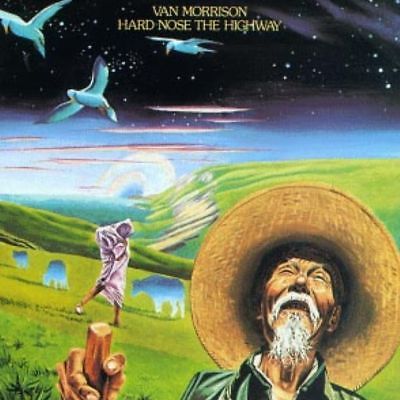
VAN MORRISON - HARD NOSE THE HIGHWAY wb BS 2712 LP USA
€
25
$
28


Favourite Auctions
To save auctions to your favourites, please login
If you don't have an account, please register
Description
endrucomics store
PREMESSA: LA SUPERIORITA' DELLA MUSICA SU VINILE E' ANCOR OGGI SANCITA, NOTORIA ED EVIDENTE. NON TANTO DA UN PUNTO DI VISTA DI RESA, QUALITA' E PULIZIA DEL SUONO, TANTOMENO DA QUELLO DEL RIMPIANTO RETROSPETTIVO E NOSTALGICO , MA SOPRATTUTTO DA QUELLO PIU' PALPABILE ED INOPPUGNABILE DELL' ESSENZA, DELL' ANIMA E DELLA SUBLIMAZIONE CREATIVA. IL DISCO IN VINILE HA PULSAZIONE ARTISTICA, PASSIONE ARMONICA E SPLENDORE GRAFICO , E' PIACEVOLE DA OSSERVARE E DA TENERE IN MANO, RISPLENDE, PROFUMA E VIBRA DI VITA, DI EMOZIONE E DI SENSIBILITA'. E' TUTTO QUELLO CHE NON E' E NON POTRA' MAI ESSERE IL CD, CHE AL CONTRARIO E' SOLO UN OGGETTO MERAMENTE COMMERCIALE, POVERO, ARIDO, CINICO, STERILE ED ORWELLIANO, UNA DEGENERAZIONE INDUSTRIALE SCHIZOFRENICA E NECROFILA, LA DESOLANTE SOLUZIONE FINALE DELL' AVIDITA' DEL MERCATO E DELL' ARROGANZA DEI DISCOGRAFICI .
VAN MORRISON
hard nose the highway
Disco LP 33 giri , 1973, warner bros records , BS 2712 , USA , first pressing
OTTIME CONDIZIONI, vinyl ex++, cover ex++/NM.
Hard Nose The Highway è un album del 1973 del cantante Van Morrison.
Hard Nose the Highway is the seventh album by Northern Irish singer-songwriter Van Morrison, released in 1973 . The album contains the single "Warm Love" that has also become a fan favourite.
It is his first solo album to contain songs not written by Morrison. A cover version of the song "Bein' Green", usually associated with Kermit the Frog (a Muppet's character) is included, and a take of the traditional song "Purple Heather".
Interprete : Van Morrison
Etichetta : Warner Bros Records
Catalogo : BS 2712
Matrici : BS - 2712 40501 - 1 / BS - 2712 40502 - 1
- Supporto:vinile 33 giri
- Tipo audio: stereo
- Dimensioni: 30 cm.
- Facciate: 2
- Unipack gatefold cover / copertina apribile a sagoma unica , burbank palm label , original wb inner sleeve
Recorded during a series of prolific recording sessions, there was more than enough material to fill a double-album. Morrison proposed the idea to Warner Bros. Records, but he was ultimately convinced to release a single LP. During the recording sessions held between August and November 1972, there were nearly thirty songs recorded in all, with at least three quarters of them original compositions. A few leftover tracks were saved or re-recorded for future albums like Veedon Fleece, but most would not see release until 1998's compilation of outtakes, The Philosopher's Stone, when nine of the songs would be used. Biographer Clinton Heylin suggested that "only 'Warm Love' and 'Hard Nose the Highway' could have sat comfortably alongside 'rejects' like 'Madame Joy', 'Bulbs', 'Spare Me a Little', 'Country Fair', 'Contemplation Rose' and 'Drumshanbo Hustle'."
By Morrison's own account, this was the first album that was completely produced under his complete control. The recording sessions even took place in a recording studio he had built next door to his home in Fairfax, California. He remarked on the album: "As a concept for the album, I was just trying to establish how hard it was to do what I do. Plus there were some lighter things on the other side of it. One side has a kind of hard feeling while the other is soft."
Composition
"Snow in San Anselmo" is the opening song and features the backing vocals of the Oakland Symphony Chamber Chorus. Morrison says the song is, "just a sketch on when it snowed in San Anselmo. It's about the images that were happening when it was snowing there for the first time in thirty years."
"Warm Love" was released as a successful single and was also a favorite concert performance in the 70s. It featured the catchy line, "and it's ever present everywhere, Warm Love."
The title song, "Hard Nose the Highway" is explained by Morrison as: "the theme running through the whole song is 'Seen some hard times' which I have 'Drawn some fine lines' which I definitely have, and 'No time for shoe shines' when you're trying to make a living."
'Wild Children" is actually about the post-war children growing up in other countries and getting their images — from American anti-heroes such as those portrayed by James Dean, Marlon Brando, Rod Steiger and playwright Tennessee Williams.
"The Great Deception" is according to biographer, Richie Yorke: "One of the most stinging indictments from any observer, let alone a rock artist, of the tragic hypocrisy of so many participants in the sub-culture, in particular the big-time rock stars of this era."
"Being Green" is the first non-original composition Morrison had included on any album for Warner Bros. so far and was taken from the popular American children's TV show, Sesame Street, which he must have watched with his young daughter, Shana. He says about his interpretation of the song, "That was just a statement that you don't have to be flamboyant. If somebody doesn't like you just because you're a certain thing, then maybe they're seeing the wrong thing."
A reviewer said about the ten and a half minute "Autumn Song": "I can't deny that it's the funkiest song about the splendors and moods of fall that has ever glided through my ears."
The ending song, "Purple Heather" is the traditional "Wild Mountain Thyme" written by F. McPeake as a variant of Robert Tannahill's "The Braes of Balquhidder", and re-arranged by Morrison.
Reception
According to Ritchie Yorke, who published his biography, Into the Music in 1975, the album enjoyed rave reviews at the time of release. He cited one dissenting critic Charlie Gillett, who wrote in Let It Rock: "The trouble with Hard Nose the Highway is that although the music is quite often interesting, it doesn't have a convincing emotional basis...Despite the lack of inspiration and of melodic focus, the record is attractive to listen to. But Van Morrison has set high standards for himself and Hard Nose the Highway doesn't live up to them."
Robert Christgau rated it only a B- and mostly dismissed it with: "The relaxed rhythms are just lax most of the time, the vocal surprises mild after St. Dominic's Preview, the lyrics dumbest when they're more than mood pieces, and the song construction offhand except on 'Warm Love'."
Stephen Holden in his 1973 Rolling Stone review said: Hard Nose the Highway is psychologically complex, musically somewhat uneven and lyrically excellent. Its surface pleasures are a little less than those of St. Dominic's Preview and a great deal less than those of Tupelo Honey, while its lyric depths are richer and more accessible than those of either predecessor. The major theme of Hard Nose is nostalgia, briefly but firmly counter-pointed by disillusion."
Later assessments in The Rolling Stone Record Guide (1979) and The Rolling Stone Album Guide (1992) were less generous. In the former, Hard Nose was listed as Morrison's only one-star album to date; reviewer Dave Marsh called it "a failed sidestep, a compromise between the visionary demands of Morrison's work and his desire for a broad-based audience." In the later edition, Paul Evans called the record the "vaguest and weakest" of Morrison's 1970s output.
In the opinion of biographer Erik Hage, "Hard Nose the Highway seems to have suffered a lot of unnecessary criticism—many commentators consider it his worst and most uninspired album—perhaps because it followed such a remarkable run of LPs, and because two truly forward-thinking albums had come before and after it (1972's Saint Dominic's Preview and 1974's Veedon Fleece)."
Track listing
Side one- "Snow in San Anselmo" – 4:33
- "Warm Love" – 3:22
- "Hard Nose the Highway" – 5:12
- "Wild Children" – 4:19
- "The Great Deception" – 4:50
Side two
- "Bein' Green" (Joe Raposo) – 4:20
- "Autumn Song" – 10:34
- "Purple Heather" (Traditional) – 5:42
Personnel
- Van Morrison - acoustic guitar, vocals
- Jack Schroer - tenor, alto, baritone and soprano saxophones
- Jules Broussard - tenor saxophone, flute
- Joseph Ellis - trumpet on "Hard Nose the Highway" and "Bein' Green"
- Bill Atwood - trumpet
- Nathan Rubin - violin
- Zaven Melikian - violin
- Nancy Ellis - viola
- Theresa "Terry" Adams - cello
- John Tenney - violin
- Michael Gerling - violin
- Jef Labes - piano
- John Platania - guitar
- David Hayes - bass
- Gary Mallaber - vibraphone, drums
- Rick Shlosser - drums
- Marty David - bass on "Warm Love", "Hard Nose the Highway" and "Autumn Song"
- Jackie De Shannon - backing vocals on "Warm Love" and "Hard Nose the Highway"
- Oakland Symphony Chamber Chorus on "Snow in San Anselmo"
- SPIRIT, MORALE AND LAUGHTER - Ed Fletcher (alias Iversen}
- Album Cover Art: Rob Springett
VAN MORRISON — HARD NOSE THE HIGHWAY
by Clive James
THE NEW Van Morrison is sweet stuff, the smoothest. Those of us old enough to have children can use it to calm them down. Morrison is in clear, agile and radiant voice; melody abounds; the arrangements — tending to a cocktail-rock blend of toothpicks tapping on snares and cymbals, water-drop guitars, iced keyboards and milky vibes — suggest that we might be entering into an equivalent of the MJQ phase that overtook jazz in the Fifties. At this rate we'll be back to dinner by candlelight, tuxedos and formal gowns. Already, as I play this album, I can hear its pretty piano-fills and weeping guitars echoing along college corridors from rooms where the fresh wave of undergraduates are brushing their hair a hundred times each morning and keeping their embroidered jeans as clean as a summer sky.
Morrison has done half a dozen albums for Warners alone. I don't pretend to be familiar with this mass of material, but at various stages of his career I have heard him on radio, gladly confirmed the attractiveness that is claimed for his singing and composing, and been slightly puzzled about the importance claimed for his lyric-writing. Since everybody who has bought the previous albums will buy this one anyway — and they will be foolish not to, for it is eminently playable — perhaps it's a good time to scrutinise Morrison's lyrics and decide whether there really is anything outstanding about them. It will be understood, I hope, that I am not trying to prescribe universal standards for rock lyrics — just saying that the men who are widely regarded as being good at writing them should actually be good at writing them.
There is a song on Side One called Wild Children. We find ourselves embarked on a promising theme:
We were the War Children
Born 1945
Speaking as a war child born in 1939, I was very keen to hear this theme developed: clear perceptions of what it was like to grow up through a certain historical period constitute material that rock ought to thrive on.
When all the soldiers came marching home
Love looks in their eye
Well, not all the soldiers came marching home — but the song is under way, and now we know how the singer got born. Second Stanza coming up.
Tennessee Tennessee Williams
Let your inspiration flow
Let it be around when we hear the sound
When the spring time rivers flow, when the rivers flow.
If the writer is going to select from his memories, he has to select something — but why, precisely, Tennessee Williams? If Williams was the first artist the young Morrison responded to, we'd like to hear about it. But Williams' impact on the young Morrison is exactly what we don't hear about: the feelings of the past aren't gone into. All we get is the invocation of Williams' name in relation to these springtime rivers, which are flowing in the present. What has Tennessee Williams specifically to do with springtime rivers? One would like some indication of the connection, especially in the light of the fact that the lack of connection isn't in the least resonant. There's nothing mysterious about it. It just looks like a sloppy throwing together of the first ideas that came into the writer's head. But wait: let's see what else is in the memory bag. Next Stanza.
Rod Steiger and Marlon Brando
Standing with their heads bowed on the side
Crying like a baby thinking about the time
James Dean took that fatal ride, took that ride
The Brando/Steiger reference is obviously to the famous scene in On The Waterfront, and it's disappointing that Morrison thinks a mere mention of it is enough to add to his song's store of properties. James Dean, too, gets roped in with small ceremony. And that, folks, is your lot. The next stanza gives you Tennessee Williams again, and the clinching stanza is a re-run of Steiger, Brando and Dean. We're left with the feeling that not all that much has happened to the writer in the long haul from 1945 to 1973. Some point might have been made about his impoverishment of recollection, but one suspects that the writer didn't find anything wrong with it. The stated theme — the war children — hasn't been treated. Professionally, one's first reaction is that the writer can't concentrate.
Confirmation of this view obtrudes throughout the album. A line in 'Warm Love' ('This inspiration's got to be on the flow') is a sure tip-off that Morrison places absolute trust in bunging down anything that occurs to him. Suggestions that Dylan did the same can effectively be countered by pointing out that Morrison's faculty of invention, whatever his admirers say, is not in the same league as Dylan's. Morrison's poeticising shows clear signs of strain even at its most casual: a line like 'The sky is crying and it's time to go home' is strictly church-magazine stuff, and highly typical.
The blues originated in the compulsion to reveal anguish, the distortions of the sung word transmitting the emotion from which it sprang. Morrison, who has mastered a formidable range of blues effects, uses distortion to furbish triteness. In concealing artlessness with art, Morrison merely follows the trend of most of the sophisticated rock in recent years. The result is technique deprived of expressive force, and a general pleasantness of effect which leaves you convinced that prettiness is the enemy of the beautiful. Hard Nose The Highway is a wonderfully accomplished album which will do everything for you except engage your mind.
Hard Nose The Highway (1973), spesso messo da parte, non è così al di sotto dei sopravvalutati standard del periodo, ma semplicemente non trova al suo interno neppure uno dei classici del musicista: “Snow In San Anselmo”, il brano più caratteristico, è una robusta tiritera resa solenne da un coro ecclesiastico, forse tentativo un po’ goffo di ricostruire in maniera artificiale la sacralità intrinseca del sound di un tempo. Degna di nota anche “The Great Deception”, amara e ritmata arringa contro lo show-business, figlia di una tradizione che avrà ancora non pochi proseliti.
Part Celtic bard, part soulster, and part ecstatically scatting mystical visionary, Van Morrison is a painfully introverted figure who rarely gives interviews and is often at a loss to explain his own lyrics. In the studio, Van Morrison can sing like a soul man getting the spirit; onstage, however, his brilliance can be undercut by whim or temper, and he has upon occasion alienated audiences by rushing through songs and remaining aloof between them. Nonetheless, his influence among rock singer/songwriters is unrivaled by any living artist outside of that other prickly legend, Bob Dylan. Echoes of Morrison's rugged literateness and his gruff, feverishly emotive vocal style can be heard in latter-day icons ranging from Bruce Springsteen to Elvis Costello, while the Irish artist's own restless muse has kept him prolific and engaging through the '90s.
Morrison's mother sang at social gatherings, and his father collected classic blues and jazz records. He learned guitar, saxophone, and harmonica while in school, and was playing with Belfast blues, jazz, and rock bands by his mid-teens. At 15, he quit school, joined an R&B band called the Monarchs, and toured Europe with them as saxophonist. While in Germany, a film director offered Morrison a role in a movie as a jazz saxophonist. The project was dropped, and Morrison returned to Belfast and opened an R&B club in the Maritime Hotel. He recruited some friends to form Them, which became an immediate local sensation as the club's house band.
Them recorded two singles in late 1964: "Don't Start Crying Now" (a local hit) and Big Joe Williams' "Baby Please Don't Go" (which made the British Top 10 in early 1965). After the latter's success, the band moved to London and hooked up with producer Bert Berns. They recorded Berns' "Here Comes the Night," which went to Number Two in the U.K. and made the Top 30 in the U.S. Them's next two singles, "Gloria" (by Morrison) and "Mystic Eyes," were minor U.S. hits; "Gloria" was later covered by the Shadows of Knight (who took the song to Number 10 in 1966) and Patti Smith. Them's lineup underwent constant changes, and Berns brought in sessionmen, including Jimmy Page, for their albums. After a mostly unsuccessful U.S. tour in 1966, the group returned to England. Morrison disbanded Them, which soon re-formed with Ken McDowell as vocalist.
Morrison, meanwhile, grew frustrated by music-business manipulations (Them had wrongly been given a rough-kids image by their company), stopped performing, and moved back to Belfast. Meanwhile, Bert Berns (a.k.a. B. Russell) formed Bang Records in New York, and sent Morrison a plane ticket and an invitation to record four singles for his new label. One of them, "Brown Eyed Girl," reached Number 10 in the U.S. in 1967. Morrison toured America but was again disgruntled when Berns released the other singles &Number 8212; which Morrison considered demos &Number 8212; as Blowin' Your Mind. After Berns died of a sudden heart attack in December 1967, Morrison undertook an East Coast tour and wrote material for his next album. Warner Bros. president Joe Smith signed him in early 1968, and Morrison went into a New York studio that summer with numerous jazz musicians. In 48 hours he cut one of rock's least classifiable, most enduring albums, Astral Weeks, the first manifestation of Morrison's Irish-romantic mysticism. Though most of its cuts were meandering and impressionistic, with folky guitars over jazzy rhythms topped by Morrison's soul-styled vocals, critics raved; the album is still considered one of Morrison's richest, most powerful efforts.
His next album, Moondance (Number 29, 1970), traded the jazz-and-strings sound of Astral Weeks for a horn-section R&B bounce. The title tune and "Come Running" were chart singles, the latter in 1970 (Number 39), the former not until late 1977. The fittingly titled "Into the Mystic" became a minor hit for Johnny Rivers, while "Caravan" became an FM radio favorite. It was the first Morrison album to chart in the Top 100, and it eventually went platinum. His Band and the Street Choir (Number 32, 1970) yielded two uptempo R&B-flavored Top 40 hits in "Domino" (Number 9, 1970) and "Blue Money" (Number 23, 1971). By this time, Morrison had moved to Marin County, California, and married a woman who called herself Janet Planet.
Tupelo Honey (Number 27, 1971) reflected his new domestic contentment. It yielded a hit in "Wild Night" (Number 28) and went gold, thanks to progressive FM radio, which latched on to the lyrical title tune (featuring Modern Jazz Quartet drummer Connie Kay). St. Dominic's Preview (Number 15, 1972) included the minor hit single "Jackie Wilson Said" (Number 61) and contained two extended journeys into the mystic: "Listen to the Lion" and "Almost Independence Day." In 1972 Morrison guested on the John Lee Hooker–Charlie Musselwhite album Never Get Out of These Blues Alive.
By the time of Hard Nose the Highway (Number 27, 1973), Morrison had formed the 11-piece Caledonia Soul Orchestra, which was featured on the live LP It's Too Late to Stop Now. In 1973, though, Morrison suddenly divorced Janet Planet, disbanded the Caledonia Soul Orchestra, and returned to Belfast for the first time since 1966. There he began writing material for Veedon Fleece (Number 53, 1974).
Morrison took three years to produce a followup. He reportedly began sessions for an album four different times (one with jazz-funk band the Crusaders), but completed none. By 1976, he was living in California again. Late that year he appeared at the Band's farewell concert and in Martin Scorsese's film of the event, The Last Waltz. Finally, in 1977 came A Period of Transition (Number 43, 1977), which featured short jazz and R&B-oriented tunes and backup by pianist Mac "Dr. John" Rebennack. For Wavelength (Number 28, 1978), Morrison took on concert promoter Bill Graham as manager (they split in 1981); the album sold fairly well. Still, Morrison's chronic stage fright continued to plague him. At a 1979 show at New York's Palladium, he stormed off the stage midset without a word and didn't return.
The more serene Into the Music (Number 43, 1979) implied that Morrison had become a born-again Christian, and Common One (Number 73, 1980) delved more into extended mysticism. Beautiful Vision (Number 44, 1982) was more varied and concise, and it generated, as usual, sizable critical acclaim and respectable sales. It also included "Cleaning Windows," which contained references to such Morrison inspirations as Lead Belly, bluesmen Blind Lemon Jefferson, Sonny Terry, Brownie McGhee, and Muddy Waters, as well as Beat author Jack Kerouac and country singer Jimmie Rodgers. Inarticulate Speech of the Heart (Number 116, 1983) offered "special thanks" to L. Ron Hubbard, founder of the Church of Scientology.
With A Sense of Wonder (Number 61, 1985), Morrison continued on his spiritual journey and drew further on literary influences, incorporating the work of a favorite poet, William Blake, on the track "Let the Slave." Meanwhile, Morrison rediscovered his ethnic roots and wanderlust, leaving his California home to travel nomadlike through Dublin, Belfast, and London. On No Guru, No Method, No Teacher (Number 70, 1986), the singer shared this sense of rebirth, while the album's title sneered at critics who had tried to pigeonhole his religious beliefs.
Morrison delved deeper into Celtic imagery with Poetic Champions Compose (Number 90, 1987) and collaborated with Ireland's best-loved traditional band, the Chieftains, on Irish Heartbeat (Number 102, 1988). Avalon Sunset (Number 91, 1989) contained "Whenever God Shines His Light on Me," a duet with Cliff Richard that became Morrison's first British Top 20 single since his days with Them, and "Have I Told You Lately That I Love You," which in 1993 became a Number Five U.S. hit for Rod Stewart.
Morrison entered the '90s with the nostalgia-drenched Enlightenment (Number 62, 1990), on which he recalled first becoming acquainted with rock & roll and continued to explore the links between spiritual and romantic love. These themes carried over onto the similarly acclaimed double album Hymns to the Silence (Number 99, 1991), while on Too Long in Exile (Number 29, 1993), the singer brought things full circle, covering songs by some of his heroes &Number 8212; including Ray Charles and Sonny Boy Williamson &Number 8212; and duetting with John Lee Hooker on Them's "Gloria," with enough ardor to dispel any suspicions that age had mellowed him. Hooker, in fact, turned up as a surprise guest at some of Morrison's concerts in the early '90s, and Morrison would produce two of Hooker's albums in the late '90s. Morrison's spirited 1993 performances in San Francisco, documented on A Night in San Francisco (recorded December 18), were indicative of his renewed vigor onstage. That same year, Morrison was inducted into the Rock and Roll Hall of Fame. A couple of years later, How Long Has This Been Going On (1996), a live jazz show recorded with Georgie Fame and Friends at Ronnie Scott's Club in London in 1995 also attested to his renewed energy. Nevertheless, Days Like This (Number 33, 1995) and The Healing Game (Number 32, 1997) were railed by critics as predictable, lackluster performances, especially Morrison's vocals; the former, however, included two duets with his daughter, Shana. Morrison took on an elder-statesman role when the song "Days Like This" was adopted as a peace anthem in Northern Ireland, and he received an Order of the British Empire title in 1996. A prolific artist, he continued his extraordinary output of an album nearly every year, and released The Philosopher's Stone, a two-disc set of previously unreleased material, in 1998. Back on Top, an album of new material, followed the next year. In 2000 Morrison was inspired by working with other musicians, and he released a concert recording of skiffle tunes performed with Lonnie Donegan, The Skiffle Sessions: Live in Belfast, 1998, and You Win Again, an album of country, rockabilly, and blues covers performed with singer/pianist Linda Gail Lewis, the sister of Jerry Lee Lewis.
Forse troppo colto e introverso per appartenere alla musica rock, Van Morrison e` uno degli artisti piu` significativi degli anni '70.
Prendendo lo spunto dalle canzoni piu` astratte di Bob Dylan e Tim Buckley, dal rock psichedelico e dal progressive-rock, dai bardi celtici e dai soul singer, Van Morrison invento` una nuova figura di singer-songwriter, che usava le due componenti fondamentali del folk, del country, del jazz e del rhythm and blues per comporre canzoni profondamente personali e financo filosofiche, composizioni forbite e complesse che assomigliano piu` a "suite" classiche che a canzoni pop.
Partito dal soul dilatato di Astral Weeks, e approdato subito al barocco jazz-psichedelico di Moondance, Morrison si e` poi avventurato in territori al confine fra questi due mondi, alla ricerca di una forma espressiva che fosse al tempo stesso tragica ed elegante. Lo stile maturo di queste ardue confessioni morali oscilla fra diversi modi di comunicare sensazioni. A volte Morrison e` confuso e disordinato, segno di un acuto tormento interiore. A volte il suo canto e` trasognato, e fluttua sull'improvvisazione libera degli strumenti come quello di uno sciamano in trance. Altre volte e` sanguigno, teso, reboante, nella migliore tradizione soul. In tutti i casi lo stimolo e` il bisogno urgente di comunicare un messaggio: quello della ricerca di una nuova forma di saggezza, radicata nelle tradizioni e nella comunione con la Natura.
Le radici di Van Morrison affondano nel folk mistico delle leggende celtiche. Una severa preparazione gli permette di utilizzare al meglio poesia e jazz nei suoi pezzi, per fabbricare le atmosfere pregne di mistero e i flussi di coscienza che la sua duttile voce sa dominare magistralmente. Il canto, l'orchestrazione e il modo professionale di tenere la scena, sono diventati lo standard per i cantautori americani piu` seri.
Van Morrison e` anche l'artista che e` andato piu` vicino a fondere il lamento gutturale del blues e la prosa libera di James Joyce, due manifestazioni artistiche del flusso di coscienza di William James.
Pur restando sempre al confine fra musica d'intrattenimento e opera d'arte, Van Morrison, cesellando a dismisura arrangiamenti sofisticati, versi intensi e vocalizzi spericolati, ha dato sovente l'impressione di cercare testardamente il capolavoro, l'opera complessa e profonda che lo consegni definitivamente ai posteri, a costo di sembrare auto-indulgente e pretenzioso.
Van Morrison era stato il cantante dei Them a Belfast (Northern Ireland) dal 1964 al 1966, uno dei tanti complessi di rhythm and blues bianco dell'epoca. Prima dei Them aveva suonato chitarra, sassofono e armonica in combo di jazz e rhythm and blues.
Nel 1967 si trasferi` a New York e trovo` subito un successo di classifica con la sognante e latineggiante Brown Eyed Girl (scritta da Bert Berns). L'album Blowin' Your Mind (Bang, 1967) venne pubblicato senza il suo consenso e mostra un artista ancora impacciato. Il suo modello pare essere un Ray Charles appena piu` "arrabbiato", piu` proletario. Il suo primo flusso di coscienza, T.B. Sheets, rivela che Morrison vuole spingersi oltre il rhyhm and blues, che si tratta soprattutto di un compositore introverso, ma al tempo stesso di un vocalist di gran classe e di un arrangiatore smaliziato. Queste qualita` non sono ancora amalgamate, come se Morrison non fosse ancora riuscito a dimostrare il teorema, ma soltanto a enunciare i postulati.
Nell'estate successiva, trasferitosi a Boston, Van Morrison trovo` la soluzione del puzzle in modo quasi magico. Aiutato da un pugno di musicisti jazz, incise un album acustico a tema, diviso in due parti, Astral Weeks (Warner, 1968). Romantico, mistico e impressionista, il disco fa ampio uso di elementi folk e jazz. Gli otto pezzi sono canzoni-poesie, al tempo stesso sofferte e sofisticate, intense e cromatiche. La raccolta costituisce di fatto un diario intimo, un esperimento ambizioso di musica meditativa e introspettiva. Ogni brano e` un magma di emozioni tormentate, un flusso di immagini personali. I comprimari sono tutti esperti jazzisti che tessono un tappeto vellutato e contorto di suoni (flauto, vibrafono, contrabbasso, violino) e Morrison nobilita la tradizione soul con le sue discontinue scorribande vocali.
La title-track e` una cascata di suoni interiori: la voce che racconta quasi senza cantare, ora rabbiosa e malata, ora sognante e malinconica, il contrabbasso che scandisce un ritmo fitto e ossessivo, il flauto petulante e il violino languido che saettano a turno; con un finale che si dissolve in un tenue respiro. In embrione potrebbe essere un tipico "latin soul" di Berns, ma troppi elementi sono fuori posto: il tribalismo caraibico viene placato in un dimesso shuffle, l'anelito gospel si sposa alle invettive dei teppisti di strada, l' accompagnamento swingante si adegua al free-jazz, e il ritornello non ha fine, si ripete all'infinito.
Beside You e` un incubo scarno e solitario nello stile di Tim Buckley, un lamento urlato, teso e deforme, paranoico: gli strumenti vibrano liberi e discreti, e la voce fluttua impazzita nel loro caos, ma con un' isteria che e` ignota a Buckley. Il clavicembalo malinconico di Cyprus Avenue strania un crescendo onirico di lievi magie evanescenti, colora un paesaggio fiabesco che appare e scompare dietro i vapori di una nebbia pigra e seducente, impasto vellutato di flauto, violino e contrabbasso; la musica galoppa incontro a miraggi, con il clavicembalo che incalza, il canto che si contorce, il violino che imita la viola lisergica di Cale.
Ballerina e` tipica della tecnica armonica quasi minimalista del disco: il vibrafono ripete all'infinito una frase romantica, intorno alla quale Morrison declama la sua storia; poco a poco si insinuano il violino, il trombone, il flauto, e ciascuno entra in contrappunto al vibrafono; la polifonia spinge il vibrafono a complicare il suo pattern, ei suoi interlocutori si adeguano a loro volta al nuovo pattern; si genera cosi` un crescendo quasi impercettibile, che presto dovrasta pero` il canto stesso; e proprio allora ha inizio la dissolvenza del finale.
Madame George e` il momento piu` rilassato e tenero del disco, e ne riassume la dimensione onirica e romantica, il linguaggio articolato e luminoso, cullato in duetti eterei di flauto e violino, dilatato da una forma di ralenti` psichedelico fino a una sorta di stasi mistica. Il brano piu` rarefatto, con splendide evoluzioni jazz al flauto nel vuoto, e` pero` il breve aforisma finale, Slim Slow Slider.
Il successivo Moondance (Warner, 1970) ribadi` l'eccellente stagione creativa di Van Morrison. Rispetto a Astral Weeks i brani sono piu` brevi e rilassati, e l'accompagnamento e` piu` organico, compatto e lineare. Le dilatazioni dovute al free-jazz e alla psichedelia sono state bandite a favore di un arrangiamento soul lambiccato e manieristico. L'ensemble di dodici unita` e` meno classicheggiante e piu` rhythm and blues (una "horn section" predomina sulla "string section").
E` certamente il disco piu` melodico di Morrison, grazie ai ritornelli immortali di And It Stoned Me (cadenza epica di piano, contrappunto romantico di sax), Caravan (un solido boogie sincopato) e Glad Tidings (in cui e` il sax a fare il controcanto melodico). Ed e` anche il piu` jazz, con le atmosfere swinganti di Moondance (per piano liquido, flauto etereo e sax graffiante) e Crazy Love, carezza delicata da night.
Ma il soul "totale" di Morrison si spinge ben oltre e compone capolavori anche in altri contesti armonici, vedi il rhythm and blues nervoso e cadenzato di Into The Mystic, il gospel ritmato e festoso di Come Running, il blues strascicato di These Dreams Of You (con armonica e clavinette, e un assolo jazz di sassofono), la danza classicheggiante di Everyone (clavicembalo barocco e flauto medievale).
A completare queste armonie sospese nello spazio incantato che e` il margine di tutti i generi e di nessuno, fatte di tocchi e di pause, e di struggenti deliri vocali, e` un ritorno di sogno astrale, Brand New Day, schizzo impressionista paradisiaco con soffice nevicata di note.
Piu' calma ed introversa, l'atmosfera di Moondance non ha nulla dell'incubo soprannaturale di Astral Weeks, e` un fatto tutto sommato piu` musicale e meno personale.
In tutte le canzoni della raccolta l'arrangiamento e` rifinito con cura maniacale, facendo ricorso a una strumentazione estesa, senza lesinare i sostegni vocali del coro femminile, e facendo leva su una sezione ritmica da combo di rhythm and blues. Le composizioni sono sintetiche e concise, quasi lapidarie se si tiene conto della loro complessita' armonica. Lo stile del cantante e` fluido, sempre intenso e appassionato, teso su un filo emozionale il cui equilibrio non viene mai compromesso ne` da scatti nervosi ne` da deliqui depressi. La canzone progressiva inglese trova qui il suo punto di massima raffinatezza. E Morrison si qualifica come massimo esteta del soul.
Lo stile "perfetto" di Moondance aveva scoperto un compromesso suggestivo fra la musica pop e la musica progressiva. Morrison, adesso residente in California, non era pero` abbastanza acrobata da mantenere l'equilibrio, e negli anni seguenti, almeno fino al 1974, gli esperimenti che si susseguirono furono deludenti. A salvarsi sono alcune canzoni: Domino (uno dei suoi classici numeri rhythm and blues), da His Band And the Street Choir (1970), Tupelo Honey, I Wanna Roo You e Wild Night da Tupelo Honey (1971), album che strizza l'occhio al country e al pop. St Dominic's Preview (1972), che vantava Bernie Krause al sintetizzatore, fu un lavoro piu` serio, grazie a Jackie Wilson Said (altro classico rhythm and blues) e alle lunghe Listen To The Lion (degna di Astral Weeks) e Almost Independence Day. La cupa Snow In San Anselmo e la lunga Autumn Song non bastano invece a redimere Hard Nose The Highway (1973). Morrison, ora titolare della Caledonia Soul Orchestra, oscillava fra il levigato falsetto di Curtis Mayfield e il rauco shout di Wilson Pickett, unico bianco a poter competere con tali vocalist neri, ma sembrava aver abbandonato il progetto del folk-jazz astratto di Astral Weeks.
Finalmente, tornato nella nativa Irlanda, Morrison ritrovo` l'ispirazione "pastorale" del suo capolavoro e registro` un altro lavoro introverso, Veedon Fleece (Warner, 1974). Benche' non raggiunga i livelli lirici del capolavoro, quest'album contiene deliziose serenate astrali come l'appassionata Country Fair e la lunga e vibrante You Don't Pull No Punches. L'umore e` sereno e rurale, come se Morrison cercasse rifugio dall'alienazione urbana. Il flauto esotico di Streets Of Arlow e i giochi di piano di Linden Arden sembrano librarsi verso il Paradiso.
Morrison torna pero` subito in california e, dopo qualche anno di riposo, riprende a suonare jazz e rhythm and blues da cocktail lounge. Period Of Transition (1977) ritorna con gran pompa alle canzoni brevi di rhythm and blues fiatistico (The Eternal Kansas City, Heavy Connection, It Feels You Up, Famingos Fly). Soltanto Cold Wind In August tesse ragnatele emotive visionarie.
La rinascita artistica e` comunque alle porte. Gli album successivi tratteggiano l'onesto e qualche volta geniale artigianato di Van Morrison affrontando con fervore quasi biblico tematiche via via piu` impegnative. Della sporca ruggente foga giovanile non rimane traccia.
Wavelength (1978), album rilassato e un po' dispersivo, impiega una big band con persino synth (Peter Bardens dei Camel) e fisarmonica, e ritrova un po' della perfezione formale di Moondance nel soul festoso di Kingdom Hall, nel reggae spiritato di Venice USA, nella marziale e commossa invocazione di Take It Where You Find It, nei brividi da discoteca di Wavelength.
Morrison ritrova fiducia e ispirazione (in senso religioso) su Into The Music (Warner, 1979), un ciclo di canzoni erotiche e mistiche. Con quella che e` ormai una mini-orchestra folk-jazz (Toni Marcus agli archi, Mark Isham alle trombe, ogni sorta di fiati e voci femminili), l'irlandese compone complesse e mature policromie armoniche in parte contaminate dall'honky-tonk (Bright Side Of The Road), dal rhythm and blues commerciale (Full Force Gale e Stepping Out Queen), dall'elegia folk (Rolling Hills e Troubadours).
Le quattro lunghe ballate della seconda facciata rappresentano uno dei picchi "trascendentali" della sua musica. Queste canzoni free-form ricordano i brani liberi di Buckley: la voce di Morrison svaria su un fronte molto ampio di registri, mentre il complesso improvvisa un tappeto sonoro fitto ma dimesso. Il principio e` quello di tanta musica da night-club, ma Morrison ne fa una forma severa di "soul da camera".
In Angelou cesella, sulle ali di un'intensa emotivita`, una delle sue gemme vocali, fatta di bisbigli e lamenti innamorati che si alternano con fluidita` cristallina. And The Healing Begun, dall'incedere epico, mette invece in mostra il lato piu` grintoso del suo vocalismo, capace di infondere la carica di un fervore gospel. Chiude il disco You Know What They Are Writing, la ballata piu` funerea.
Da questo momento i suoi dischi non saranno mai piu` semplici raccolte di canzoni, ma diarii spirituali in cui l'animo e` lacerato dai temi universali della vita e della morte. La musica si fara` di pari passo sempre piu` spericolata.
A Common One (1980), tutt'altro che radioso come il precedente, si tuffa nel misticismo piu` rarefatto. La sofferta e chilometrica When Heart Is Open puo` stare al fianco dei deliri di Tim Buckley, essendo forse il suo brano piu` tormentato e introverso. I quindici minuti di Summertime In England sembrano una confessione da ultimo spasimo prima della morte.
Beautiful Vision (1982) e` fin troppo pastorale negli intenti, verboso quanto un libro di sermoni spirituali, ma e` anche il meglio arrangiato (e jazzato) dai tempi di Moondance. Morrison puo` comporre a occhi chiusi ballad eleganti come Van Lose Stairway, Beautiful Vision, She Gives Me Religion e Dweller On The Threshold.
Inarticulate Speech Of The Heart (1983) e` forse il suo disco piu` cerebrale di sempre, ispirato alla teosofia scientologica. Prevalentemente strumentale, conteso fra fusion jazz e celtic folk, si libra maestoso in Wonderful Remark e nella cantilena gospel eponima, che ripete all'infinto il verso-manifesto "I am a soul in wonder...". William Blake e John Donne (Rave On John Donne) sono i suoi poeti preferiti e vengono citati per lungo e per largo.
Sense Of Wonder (Mercury, 1984), ancora pervaso dal simbolismo visionario dell'album precedente, ritorna alla materia prediletta dei suoi onirici blues celtici: lo stupore appassionato di fronte ai complessi misteri dell'animo umano e della natura. Sense Of Wonder, con contrappunti vocali gospel e dosi di rhythm and blues alla Tupelo Honey, incide un'altra pagina del suo sofferto diario esistenziale, e Tore Down A La Rimbaud continua il suo pellegrinaggio fra la poesia simbolista, ma i numeri piu` suggestivi sono gli strumentali (Bollyflow And Spike e Evening Meditation), legati al folklore magico dell'antichita` celtica.
No Guru No Method No Teacher (1986), che segna un nuovo ritorno alle sue radici celtiche, raffina la prassi di uno spiritualismo popolare che si libra in calibrati arrangiamenti pop-jazz, in elegie sempre piu` intense e profonde, (In The Garden) senza peraltro rinunciare alla foga rhythm and blues (Ivory Tower).
Poetic Champions Compose (1987) spinge la sua ossessiva odissea personale nei meandri di un misticismo panteistico attraverso un catalogo di intense frasi folk espanse in trance emotive permanenti, incapaci di raggiungere un climax di pathos e volte ad estinguersi lentamente nel silenzio, spesso nella quiete bucolica (The Mystery). Le sue liriche sempre piu` enigmatiche ne facevano ormai l'equivalente Cristiano di un guru Tibetano. Lo spirito trascendentale di questo periodo si sublima negli strumentali Spanish Steps e Celtic Excavations.
Morrison si e` allontanato all'estremo opposto delle radici "nere" da cui ebbe origine la sua carriera, ed e` pervenuto al folk bianco della vecchia Europa.
Live At The Grand Opera House (Mercury, 1985)
La carriera di Van Morrison precipito' di nuovo prima con Avalon Sunset (1989), contenente inni gospel (Whenever God Shines His Light On Me), tenere ballate pop (Have I Told You Lately That I Love You) e soliloqui da depressione (I'm Tired Joey Boy), il tutto all'insegna di un arrangiamento stucchevole, e poi con Enlightenment (1990), una nostalgica collezione che sminuisce la componente spirituale come fece Al Green (Real Real Gone) a favore di quella personale (In The Days Before Rock 'N' Roll). La nostalgia domina pure il doppio album Hymns To The Silence (Polydor, 1991) i cui sermoni sono musicalmente eclettici ma liricamente auto-indulgenti (e chiaramente verbosi). Il canto e' come sempre creativo ma comincia a divenire lamentevole e le canzoni sono piene di clich‚' personali (Professional Jealousy, So Complicated, By His Grace). Morrison guarda indietro (al passato) e avanti (all'aldila') ma sembra sempre sprofondare in infinite reminiscenze pure quando le acrobazie vocali afferrano o quasi una dimensione o due dell'eternita' (i nove minuti della title-track, i dieci minuti di Take Me Back). La senile nostalgia raggiunge l'apice in Too Long In Exile (Polydor, 1993), un album di cover. Days Like This (Polydor, 1995) torna sulle piu' convenzionali ballate cocktail-lounge (Melancholia, No Religion) a dispetto dei nove sognanti minuti di Ancient Highway. Dopo la raccolta di standard jazz How Long Has This Been Going Home (Verve, 1996), The Healing Game (Polydor, 1997) restitui' i consueti temi e suoni.
The Philosopher's Stone (Polydor, 1998) comprende inediti e rarita' inclusi due dei suoi numeri piu' esuberanti, Naked In The Jungle e Laughing In The Wind.
Back On Top (1999), versione migliore di The Healing Game, rimane generico e superficiale nel campionamento degli stili. Goin Down Geneva e Precious Time rendono l'album un nostalgico tributo vintage con boogie woogie, rhythm'n'blues e rockabilly. Due numeri relativamente coinvolgenti (Back on Top, New Biography) paiono portare divertimento, mentre The Philosopher's Stone (allegoria dell'artista in cerca d'ispirazione) ripropone il melodrammatico pop/gospel/soul e Golden Autumn Day e' l'esteso e filosofico poem "du jour". Il meglio e il peggio dell'album sono le tre serenate pop In the Moonlight, When the Leaves Come Falling Down e Reminds Me of You, con gli incubi dei crooners anni sessanta ma pure innovazione. Morrison ricicla temi come nostalgia personale, attacchi al music business e confessioni di insicurezza esistenziale. Down The Road (2002) e' molto leggero. Non ci sono "profonde" composizioni e spesso il suono e' poco coinvolgente al punto da ricordare Louis Jordan e i suoi shuffle. Eccezion fatta per la funky Down the Road, l'album viaggia a marcia ridotta (Talk Is Cheap, Whatever Happened To PJ Proby, All Work And No Play) con intensita' pari alla muzak da supermarket. Morrison e' abile nell'arrangiamento di pezzi con ritmi jazz e corna in Evening Shadows e Hey Mr DJ, e Steal My Heart Away e' uno dei suoi miracoli vocali; questi pochi momenti lucidi non sono tuttavia sufficienti a giustificare tanta nonchalance.
What's Wrong With This Picture? (Blue Note, 2003) Š un poco ridondante dopo cos tanti anni di elucubrazioni, sebbene offra momenti illuminanti. Tuttavia, la sua paranoia autobiografica, che analizza con ossessione la vita di una celebrit…, crea un elefantiaco concept-album dentro l'album (Too Many Myths, Get On With The Show, Goldfish Bowl, Fame), poco interessante per coloro che non appartengono alla famiglia Morrison. What's Wrong With This picture Š caratteristico del Van Morrison senile, impeccabile giustapposizione di eccelsa orchestrazione da camera (condotta dal caloroso ronzio di un basso clarinetto e culminante in un mulinello di violini) e briosa melodia (reminiscente di innumerevoli show di Broadway, e cantata col tono di un animatore veterano di Las Vegas). E' pi— eleganza che passione, e rappresenta invecchiamento con grazia (sia del vocalist che dell'arrangiatore). Evening In June ricorda il pop latineggiante dei Drifters, alleviato dai solo bebop della tromba. Ci si attende invano che questo umore si cristallizzi in astrazioni melodiche in stile Moondance. Morrison vi si avvicina in Once In A Blue Moon, con un brioso piano e vivaci sax uniti ad un quasi spaventevole ritmo cha-cha. Astral Weeks Š evocato dall'intrigante combinazione di ritmi quasi sincopati, violini paradisiaci e mandolino elegiaco in The Little Village. Per contro, sia lo stomp pigro e blueseggiante in Too Many Myths che la languidit… in Frame confermano la poca spiritualit… dell'attuale Morrison, pi— materiale, terreno e borghese; un professionista di atmosfere fumose, notturne. Il che Š pi— distrazione che attrazione: si finisce per apprezzare maggiormente l'emergere fervente dell'organo gospel che spazza la mediocrit… jazz di Gold Fish Bowl, che non l'organo alla Al Kooper e le trombe che sostengono Get On With The Show, e il suono "hard" (quasi alla Colosseum) di Whinin' Boy Moon (orientata a swing e dancehall) ecc. In effetti, i dettagli sono pi— apprezzabili delle atmosfere. Questa musica Š scritta ed eseguita con attenzione e, in un certo senso, musica per musicisti: musica per soli conoscitori. Magic Time (Geffen, 2005) non porta alcun nuovo elemento nell'astrale folk-jazz introspettivo di Morrison. Il suo paradigma rimane pressoch‚ immutato, e le sue ballate metafisiche (Magic Time, the waltzing Stranded) appaiono destinate a ravvivare ulteriormente il suo calvario personale.
Pay The Devil (Lost Highway, 2006) continua nella lotta interna alla basilare contraddizione della sua crisi di mezz'eta`: musica che vorrebbe essere profonda, ma che finisce per risultare non pi— di un sottofondo piacevole.
price rating