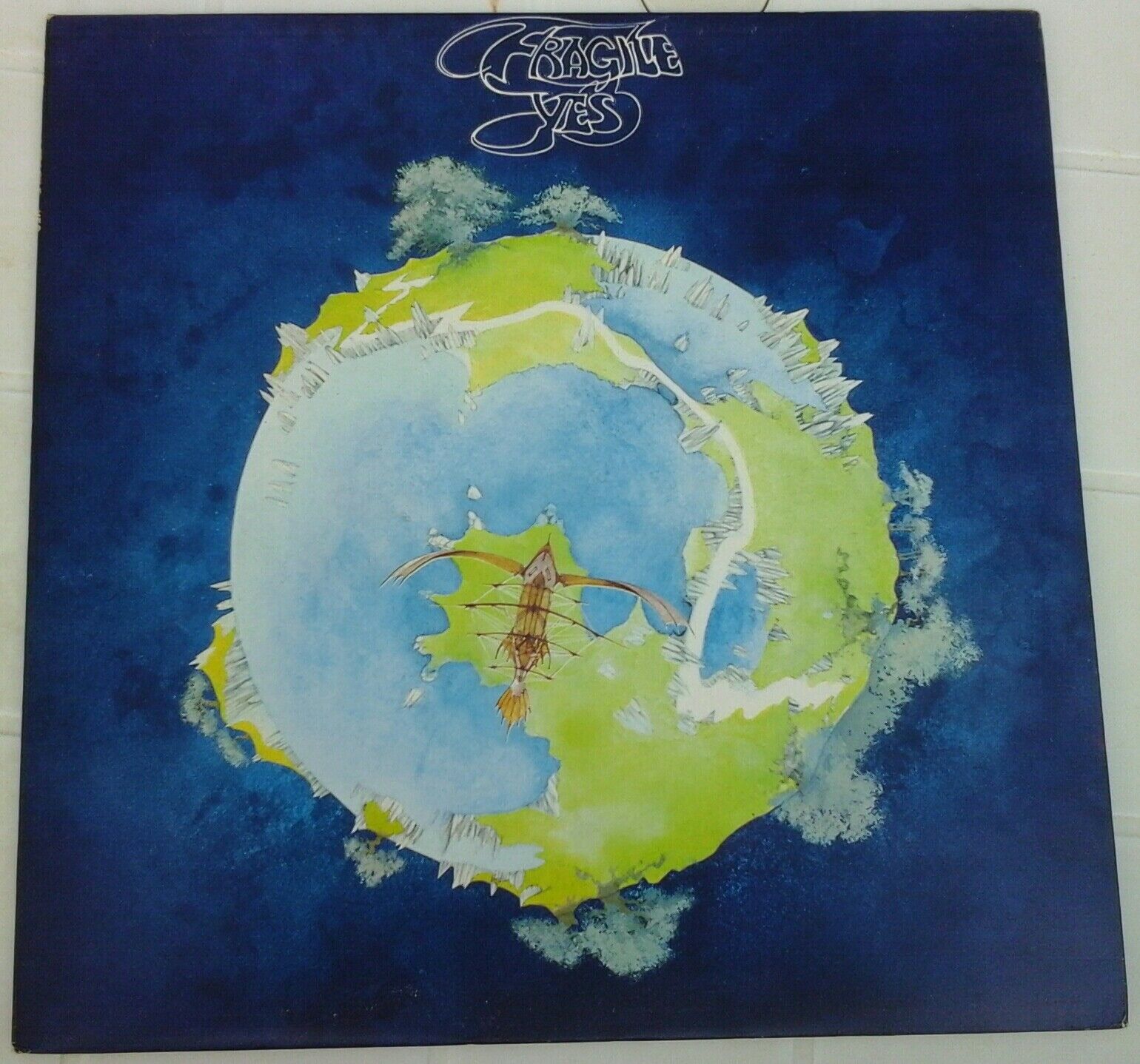
YES - FRAGILE atlantic K 50009 LP 1971 IT first pressing with attached booklet
€
135
$
157
Favourite Auctions
To save auctions to your favourites, please login
If you don't have an account, please register
Description
PREMESSA: LA SUPERIORITA' DELLA MUSICA SU VINILE E' ANCOR OGGI SANCITA, NOTORIA ED EVIDENTE. NON TANTO DA UN PUNTO DI VISTA DI RESA, QUALITA' E PULIZIA DEL SUONO, TANTOMENO DA QUELLO DEL RIMPIANTO RETROSPETTIVO E NOSTALGICO , MA SOPRATTUTTO DA QUELLO PIU' PALPABILE ED INOPPUGNABILE DELL' ESSENZA, DELL' ANIMA E DELLA SUBLIMAZIONE CREATIVA. IL DISCO IN VINILE HA PULSAZIONE ARTISTICA, PASSIONE ARMONICA E SPLENDORE GRAFICO , E' PIACEVOLE DA OSSERVARE E DA TENERE IN MANO, RISPLENDE, PROFUMA E VIBRA DI VITA, DI EMOZIONE E DI SENSIBILITA'. E' TUTTO QUELLO CHE NON E' E NON POTRA' MAI ESSERE IL CD, CHE AL CONTRARIO E' SOLO UN OGGETTO MERAMENTE COMMERCIALE, POVERO, ARIDO, CINICO, STERILE ED ORWELLIANO, UNA DEGENERAZIONE INDUSTRIALE SCHIZOFRENICA E NECROFILA, LA DESOLANTE SOLUZIONE FINALE DELL' AVIDITA' DEL MERCATO E DELL' ARROGANZA DEI DISCOGRAFICI .
YES
fragile
Disco LP 33 giri , 1971, ATLANTIC / DISCHI RICORDI, K 50009 , italy, first pressing
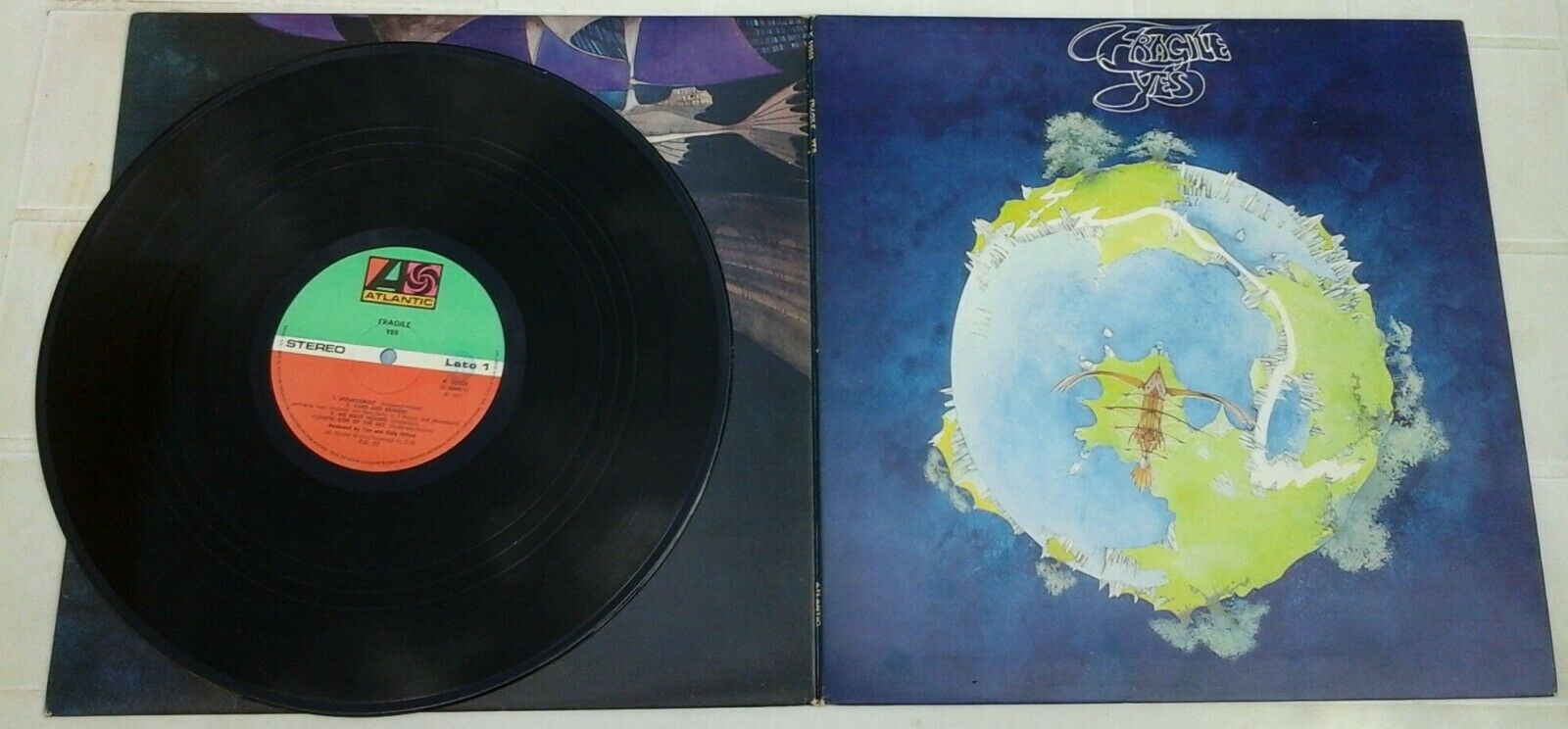
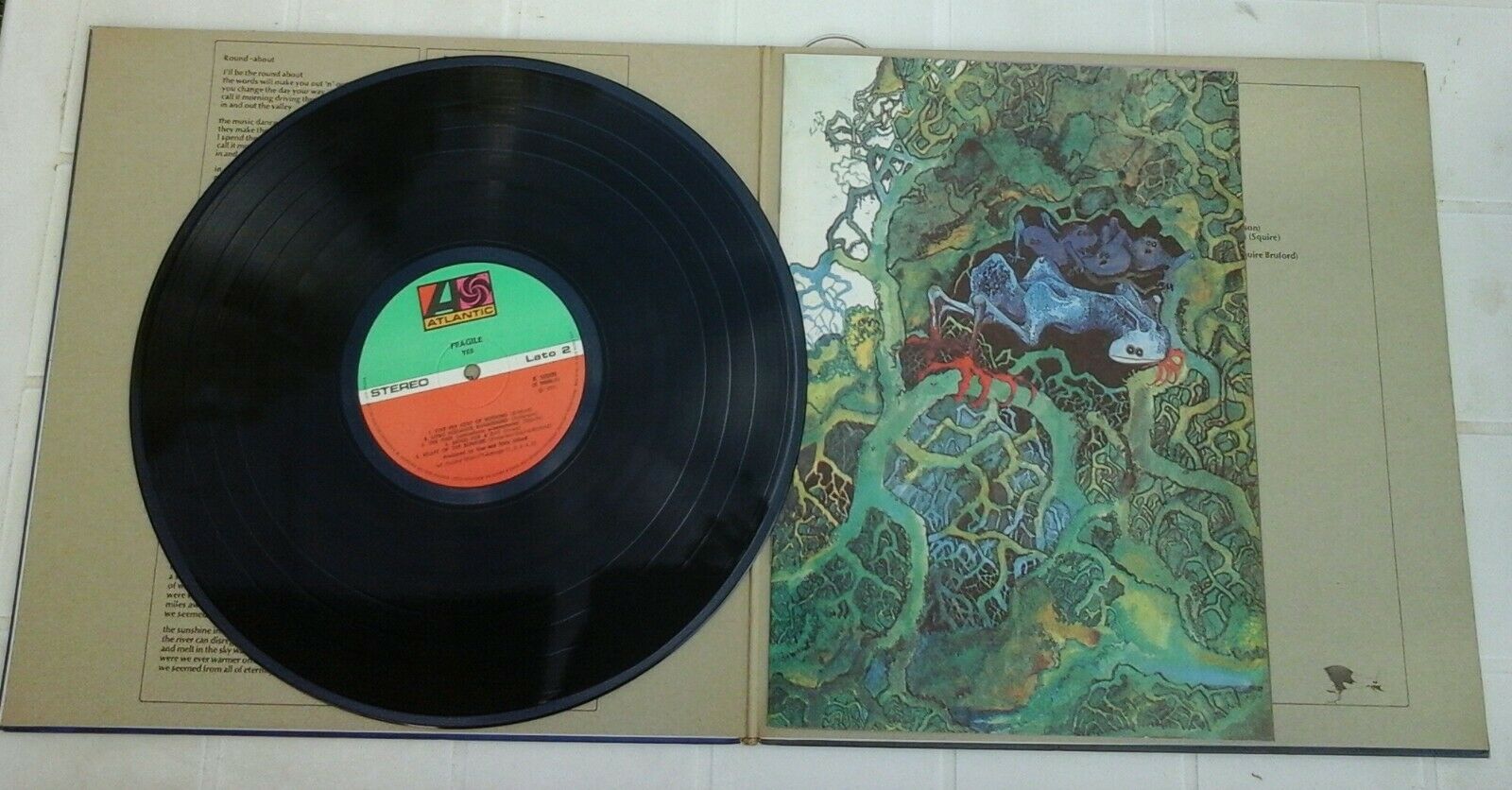
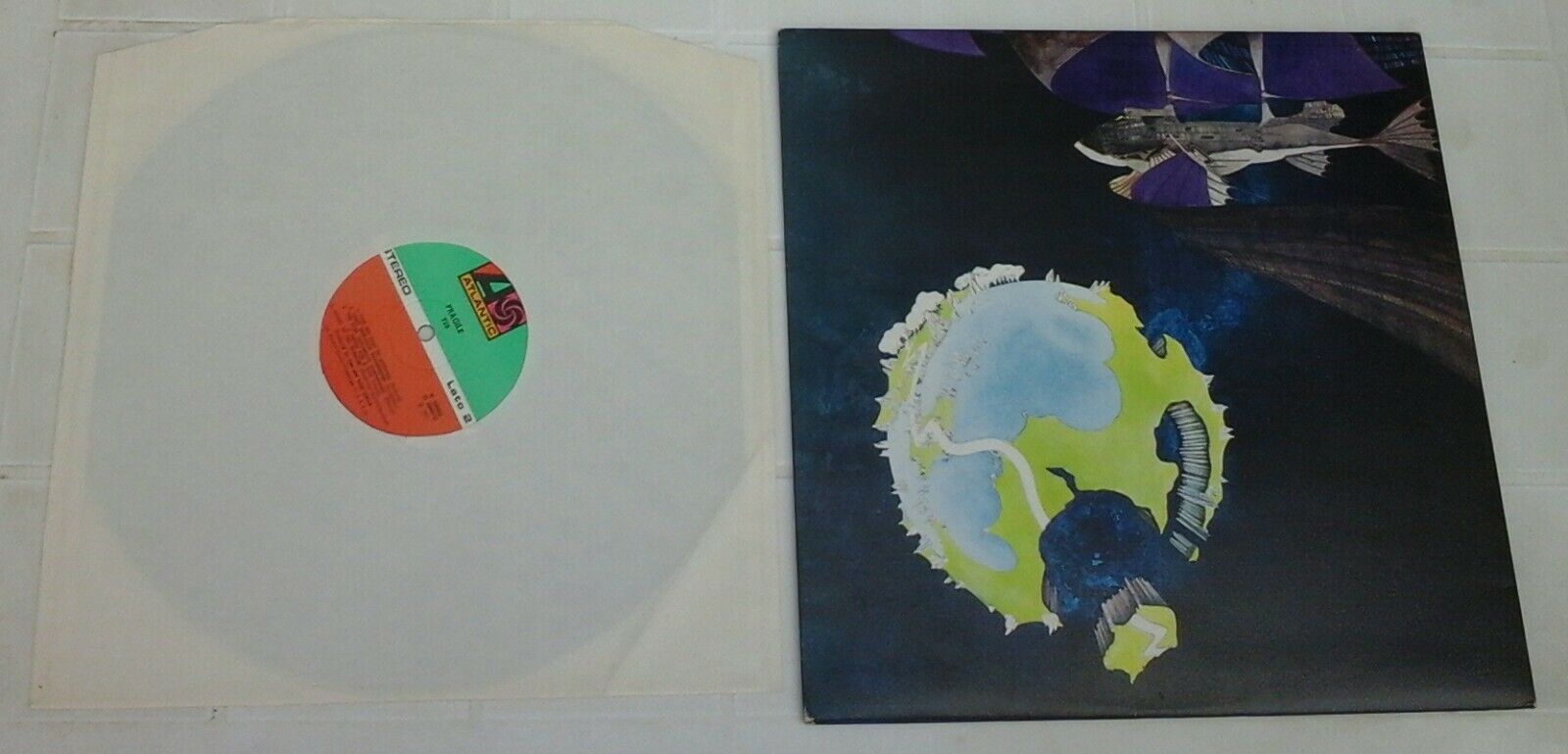
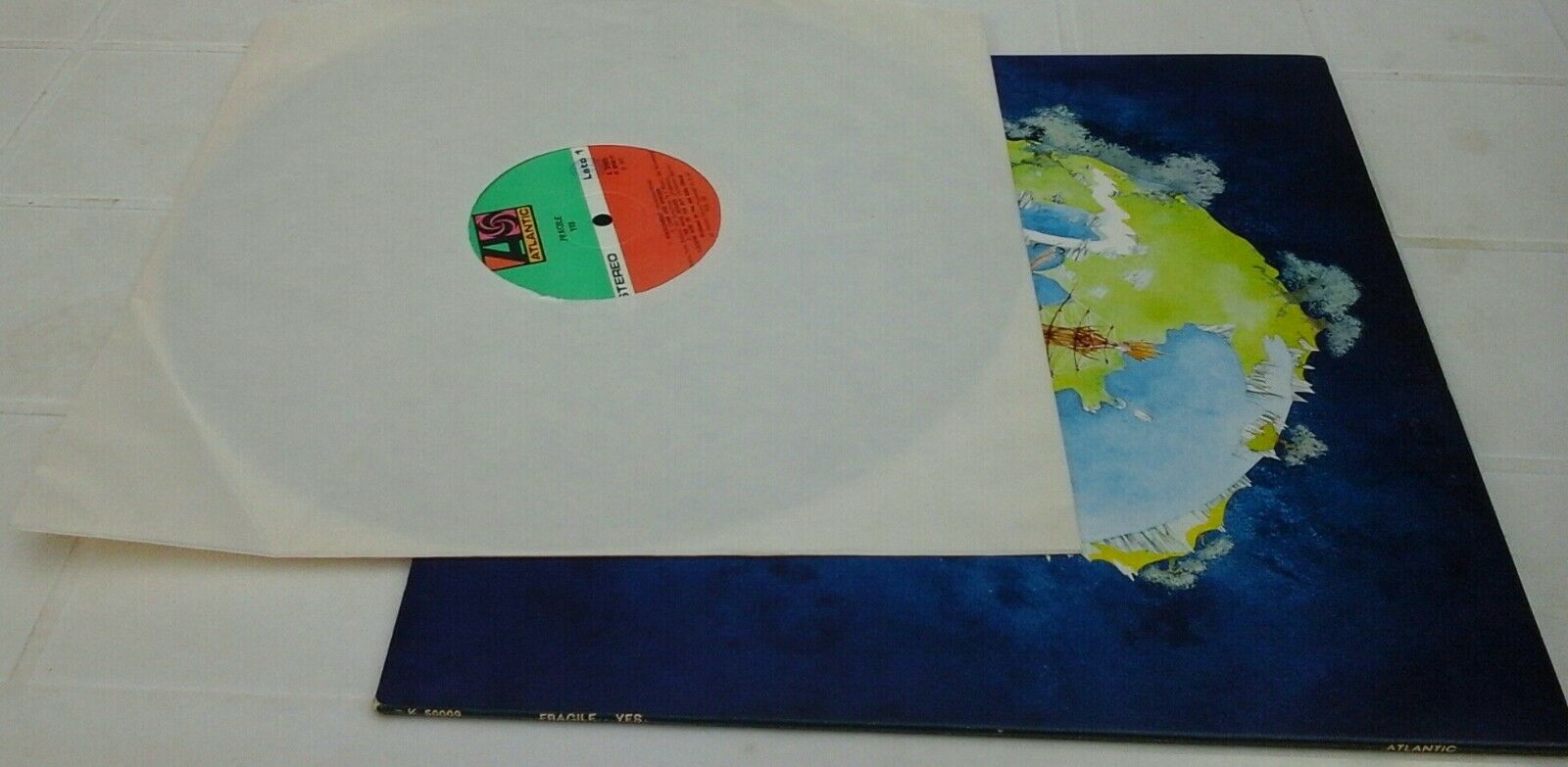
ECCELLENTI CONDIZIONI, vinyl ex++/NM, cover ex++/NM , enclosed 8 pages color cm.21,2x30 gorgeous photos and psychedelic artwork booklet / completo del favoloso booklet di 8 pagine cm. 21,2x30 con foto e disegni a colori inserito all' interno della copertina.
Gli Yes sono un gruppo musicale britannico formato nel 1968 e tuttora in attività, considerato tra i principali esponenti del rock progressivo. La band, che ha conosciuto il periodo di maggior successo negli anni settanta e ottanta, è stata fondata dal cantante Jon Anderson, il bassista Chris Squire, il chitarrista Peter Banks, il tastierista Tony Kaye ed il batterista Bill Bruford, e nel corso degli anni ha visto la partecipazione dei chitarristi Steve Howe e Trevor Rabin, del batterista Alan White, dei tastieristi Rick Wakeman, Patrick Moraz, Igor Khoroshev, Geoff Downes, Tom Brislin ed Oliver Wakeman, e dei cantanti Trevor Horn e Benoît David.
Grazie ad album come The Yes Album, Fragile, Close to the Edge e Relayer, gli Yes contribuiscono allo sviluppo della scena progressive inglese degli anni settanta, e negli anni ottanta riscuotono un notevole successo discografico e popolarità a livello mondiale con 90125. Proponendo un sofisticato rock sinfonico e romantico che fa largo uso di strumenti elettronici innovativi, come il sintetizzatore, il moog ed il mellotron la band definisce, insieme ad altre formazioni, tra le quali King Crimson e Genesis, i canoni stessi del prog.Fragile è il quarto album del gruppo di rock progressivo inglese Yes.fu il primo lavoro degli Yes con Rick Wakeman alle tastiere. La formazione del gruppo che ha realizzato Fragile (Anderson, Howe, Squire, Bruford e Wakeman) viene da molti considerata la formazione "classica" per eccellenza, in particolare perché a essa si deve anche il successivo Close to the Edge, che viene generalmente considerato l'apice del gruppo. Anche Fragile contiene molti brani che continuano a essere annoverati fra i classici degli Yes; in particolare, la canzone Roundabout è stata uno dei due "hit single" della band, ed è probabilmente la canzone più nota degli Yes del primo periodo.
Fragile fu pubblicato dalla Atlantic Records (codice 2401 019) nel Regno Unito nel novembre del 1971; la sua uscita negli Stati Uniti fu rimandata di due mesi per sfruttare il successo che stava ancora riscuotendo l'album precedente, The Yes Album.
Una parte dei pezzi dell'album sono essenzialmente assoli dei diversi membri. Cans and Brahms è il brano solista suonato all'organo da Rick Wakeman, e ispirato al terzo movimento della quarta sinfonia di Johannes Brahms; We Have Heaven è una sorta di divertissement musicale in cui Jon Anderson canta tutte le parti di voce (tecnica poi ripresa nel suo album solista Olias of Sunhillow; il tema di We Have Heaven sarebbe anche ricomparso nel 1999 nel brano Can I? sull'album The Ladder); Five Per Cent for Nothing, che con i suoi 35 secondi è il brano più breve della discografia degli Yes, è un esercizio di ritmica di Bill Bruford; Mood for a Day è uno dei più noti brani di chitarra spagnola di Steve Howe; e infine The Fish (Schindleria Praematurus) è costruito attorno a una linea solista di basso di Chris Squire.
I brani suonati dall'intero gruppo fanno tutti parte del repertorio classico degli Yes, e sono stati riproposti innumerevoli volte in concerto durante tutta la storia del gruppo. Nelle incisioni live esistono numerose versioni di Roundabout, che differiscono per l'introduzione iniziale o per la durata (soprattutto nelle esibizioni più recenti il brano viene generalmente abbreviato escludendo una sezione centrale). South Side of the Sky è l'unico pezzo a non essere stato proposto dal vivo per molto tempo, e la comparsa di questo brano nella setlist del tour degli Yes del 2003, arricchito di un "duello" finale fra la chitarra di Howe e la tastiera di Wakeman, è stato salutato dai vecchi fan come un graditissimo ritorno e una dei momenti più interessanti del tour (una registrazione del vivo di questa versione si trova nel DVD Yesspeak). Una cover di South Side, eseguita dagli Spock's Beard, si trova nel bonus disc dell'edizione limitata, in 3 CD, dell'album Snow.
La copertina
Fragile fu anche il primo album degli Yes ad avvalersi dell'opera di Roger Dean per la copertina. La copertura disegnata da Roger Dean raffigura un piccolo pianeta sul davanti. Sul retro, il pianeta incomincia a rompersi e la popolazione fugge nello spazio mediante una barca a vela di legno, un concetto che ha ispirato Jon Anderson per il suo album solista Olias di Sunhillow, così come il film isole galleggianti. La copertina di Yessongs si crede sia stata creata allo scopo di continuare il racconto. L'LP è accompagnato da un libretto promozionale contenente due ulteriori raffigurazioni sempre ad opera di Dean; la copertina raffigura cinque diverse creature nel mezzo di un groviglio di radici e il retro ritrae una persona intenta a salire una formazione rocciosa. L'interno del libretto promozionale consiste in diverse fotografie dei membri della band intervallate da piccole illustrazioni di Dean e dalle fotografie delle loro mogli, tra cui Jenny Anderson e Nikki Squire, e dei bambini. Wakeman ha assegnato una pagina alla fotografia del suo cane con un lungo elenco di ringraziamenti rivolto a tutti coloro che hanno contribuito ulteriormente alla sua carriera musicale. In particolare, è il commento "God Bless Brentford Football Club" (che ora supporta il Manchester City FC, dopo una controversia), insieme con “P.S. One future offspring."
Una versione in DVD audio di quest'album fu pubblicata nel 2002, con sonoro Dolby Digital e DTS e vari contenuti speciali. È stato anche rimasterizzato nel 2003 su CD, con l'aggiunta di numerose tracce bonus.
Fragile raggiunse la settima posizione nelle classifiche inglesi e la quarta in quelle americane.
Curiosità
- Il titolo Five per Cent for Nothing ("5% per niente") è un riferimento ironico alla percentuale di incassi che andava agli agenti del gruppo.
- Nel film School of Rock, il protagonista interpretato da Jack Black assegna a uno dei suoi studenti, tastierista, il compito di "ascoltare attentamente" l'assolo di tastiere di Wakeman in Roundabout.
Fragile is the fourth album by the British progressive rock band Yes, released on Atlantic Records, catalogue 7211. It was the band's first album with keyboardist Rick Wakeman after the departure of Tony Kaye, and the first to feature cover art by Roger Dean, his work emblematic of both the band and progressive rock as a whole. Fragile was issued in the UK in November 1971, but was held back in North America for two months because of the chart momentum of The Yes Album. It peaked at #4 on the Billboard 200 during a stay of 63 weeks, and as Atlantic 2401 019 reached #7 in the UK album chart.
- Supporto:vinile 33 giri
- Tipo audio: stereo
- Dimensioni: 30 cm.
- Facciate: 2
- Catalogo : K50009
- Data Matrici : 20/11/71
- Copertina apribile/ gatefold sleeve ,red/green label, white paper inner sleeve, included 8 page photos and drawings colour booklet still glued to the center of the gatefold / incluso il fascicolo illustrato di 8 pagine a colori ancora attaccato all' interno della copertina
Track listing
Lato 1
- "Roundabout" (Anderson/Howe) – 8:30
- "Cans and Brahms (Extracts from Brahms' 4th Symphony in E Minor, Third Movement)" (Brahms, arranged Wakeman) – 1:38
- "We Have Heaven" (Anderson) – 1:40
- "South Side of the Sky" (Anderson/Squire) – 8:02
Lato 2
- "Five Per Cent for Nothing" (Bruford) – 0:35
- "Long Distance Runaround" (Anderson) – 3:30
- "The Fish (Schindleria Praematurus)" (Squire) – 2:39
- "Mood for a Day" (Howe) – 3:00
- "Heart of the Sunrise" (Anderson/Squire/Bruford) – 11:27
Five tracks of this album are the individual ideas, personally arranged and organised, by the five members of the Band. "Cans And Brahms" is an adaptation by Rick Wakeman on which he plays electric piano taking the part of the strings, grand piano taking the part of the woodwind, organ taking the brass, electric harpsichord taking reeds, and synthesizer taking contra bassoon. "We Have Heaven" is a personal idea by Jon Anderson in which he sings all the vocal parts. "Five Per Cent For Nothing" is a sixteen bar tune by Bill Bruford, played twice by the Group, and taken directly from the percussion line. In Chris Squire's "The Fish", each riff, rhythm, and melody is produced by using the different sounds of the bass guitar. Steve Howe concludes with a solo guitar piece "Mood For A Day"
The remaining tracks on the album are Group arranged and performed.
(notes taken from sleeve)
Personnel
- Jon Anderson - vocals
- Steve Howe - electric guitar, steel-string acoustic guitar, backing vocals
- Chris Squire - bass, backing vocals
- Rick Wakeman - Hammond organ, piano, RMI 368 Electra-Piano and Harpsichord, Mellotron, Moog synthesizer
- Bill Bruford - drums, percussion
Produced by Yes and Eddy Offord
Engineered by Eddy Offord assisted by Gary Martin
All titles, except Cans And Brahms, published by Yessongs
Sleeve drawings and photograpy by Roger Dean (colour photograph of Bill Bruford on drums by David Wright)
Bank loan arranged by Brian Lane
Recorded at Advision Studios, London, September 1971
Front cover of the promotional booklet.
Work on the material began while Kaye was still in the band. In a 2006 interview, he said, "I did rehearse Fragile before I left. I left in the middle." Four of the nine tracks feature full performances by the new line-up with Wakeman, three of which were of eight minutes length or longer. Its best known track, "Roundabout," was released in the United States in an edited 3:27 version as a single and peaked at #13 on the Billboard Hot 100 chart (then called the Pop Singles Chart) in April 1972.. Rick Wakeman contributed to the writing of "South Side of the Sky" and "Heart of the Sunrise" by adding piano interludes to both songs, but wasn't credited due to contractual conflicts. He was instead promised more money by Atlantic studio executives, which he claims he never saw.
The remaining five tracks showcase the band members' individual talents. "Cans and Brahms" is an arrangement by Wakeman of the third movement from the Fourth Symphony in E minor by Johannes Brahms, his utilization of synthesizers adapted to classical works in vogue at the time, evidenced in efforts by Wendy Carlos. "We Have Heaven" is by Jon Anderson in which he sings all the vocal parts, a technique later used on his solo album Olias of Sunhillow. Bill Bruford's "Five Per Cent for Nothing" derives its instrumental passages from the rhythm line, while "The Fish" and "Mood for a Day" serve almost entirely as bass and guitar solo pieces for Chris Squire and Steve Howe, respectively.
It has drawn comparison to Emerson, Lake and Palmer's Tarkus in that it consists of a series of semi-solo pieces and long epics concerning the whole band, but in both albums critics have complained that "the long pieces and short pieces never cohere, and the album becomes something of a jumble (Tony Gifford, Endless Enigma)."
Recording technology and production methods
Recorded in September 1971 at Advision Studios in London, the album is an analog multi-track production. Standard multi-track methods were employed, such as overdubbing, including a flipping of the master tape to record the backwards piano, cued by Howe's guitar, for the beginning of "Roundabout."
Artwork
The cover design by Roger Dean depicts a tiny planet on the front. On the back, the planet has begun to break up and the population is escaping in a wooden space glider - a concept that was to inspire Anderson's Olias of Sunhillow, as well as the film Floating Islands. The artwork of Yessongs would continue the narrative.
The LP's accompanying promotional booklet contains two additional Dean paintings; the front cover depicts five different creatures huddled under a root system; the back cover depicts a person climbing up a rock formation. The inside of the promotional booklet consists of several different photographs of the band members interspersed with smaller Dean illustrations and photographs of their wives, including Jenny Anderson and Nikki Squire, and children. On Wakeman's allotted page he features a photograph of his dog along with a list thanking everyone who helped further his musical career. Notably, he remarks "God Bless Brentford Football Club" (he now supports Manchester City F.C. after a dispute), along with "P.S. One future offspring."
Back cover of the promotional booklet.
The band's breakthrough album, dominated by science-fiction and fantasy elements and new member Rick Wakeman, whose organ, synthesizers, Mellotrons, and other keyboard exotica added a larger-than-life element to the proceedings. Ironically, the album was a patchwork job, hastily assembled in order to cover the cost of Wakeman's array of instruments. But the group built effectively on the groundwork left by The Yes Album, and the group had an AM-radio sucker-punch, aimed at all of those other progressive bands who eschewed the notion of hit singles, in the form of "Roundabout," the edited version (sort of "highlights" of the album version) of which pulled in millions of young kids who'd never heard them before. The single clicked, most album-buyers liked the long version and all of the rest of what they found, and the band was made. Remastered in much improved sound and graphics in 1995, look for the version of this CD with a reference to "digital remastering" across the top back of the jewel case.
Fragile [Atlantic, 1972]
I certainly prefer Yes's rock-classical synthesis--in which tricky intros, swooping dynamics, and intense textures are integrated into a self-sustaining (and -propelling) electric framework--to ELP's flashy chopsmanship. "Round-About" is a triumph right down to its nature-mystic lyric, the rhythm players each contribute a viable composition, Steve Howe remains a marvel, and even the rearranged Brahms from new keyboard player Rick Wakeman is tolerable. But isn't there supposed to be more to art than great contrivance? B
1972's Fragile introduced Yes' highest-powered line-up, as the silver-cape wearing, 12-keyboard-hauling Rick Wakeman replaced the mediocre Tony Kaye. But the question is, what was "fragile?" Their egos? The battle between the perfectly balanced arrangements-- as on classic rock radio staples "Roundabout" and "Long Distance Runaround"-- and each virtuoso's need to grandstand, vented through five solo interludes (most memorably Steve Howe's "Mood for a Day")? All that firepower could have ruined the band, yet on Fragile, they put songcraft firmly over indulgence. The intriguing middle section of "South Side of the Sky" might've blown up like a laser light show had they recorded it in the late 70s, and even though the band had a knack for crescendos and flighty, eagle-centric lyrics, they were more likely to get high through chugging guitars and Bruford's precise drumwork than outright bombast. "Heart of the Sunrise" still holds up as a deftly constructed proto math-rock epic, and Jon Anderson would never sing a lyric as plainly as "I feel lost in the city" again.
Tony Kaye è sostituito alle tastiere da Rick Wakeman, autentico virtuoso, considerato uno dei più grandi di sempre nel suo settore. Per la verità la presenza di Wakeman non produce un salto qualitativo ulteriore rispetto a "The Yes Album". Il gruppo inglese aveva già raggiunto un alto livello: e Tony Kaye era già un eccellente strumentista. Il ’72 è comunque considerabile l’anno d’oro per eccellenza di Anderson e compagni: esso produrrà anche "Close to the Edge" e il live tour che porterà all’incisione di "Yessongs". Con "Fragile" gli Yes impongono definitivamente il loro stile e la loro musica: un progressive rock che, pur facendo della tecnica individuale uno dei suoi punti di forza, non eccede in virtuosismi gratuiti, come qualche sprovveduto ha talvolta affermato. E comunque non nelle realizzazioni migliori, che sono quelle che contano nella storia del rock. Brani come "Roundabout", "South Side of the Sky" o "Heart of the Sunrise": la loro complessità ritmico-melodica, in cui spicca la straordinaria voce di Jon Anderson, "l’usignolo del rock", capace di di reggere i toni cuti con naturalezza impressionante e senza cedimenti (e se vi mostrate scettici provate a cantare al suo stesso tono), non può lasciare indifferente l’ascoltatore attento. Certo c’è qualche elemento che si potrebbe definire superfluo, o quantomeno rinunciabile. Tale è, a nostro modesto avviso, la pur famosa "Cans and Brahms", breve rivisitazione "tastieristica" dell’arcinoto tema fondamentale del terzo tempo (Allegro giocoso) della quarta sinfonia di Johannes Brahms: un divertissement, in ogni caso gradevole, del talentuoso Wakeman; che qui compie un’operazione alla Keith Emerson, altro grande strumentista amante della musica classica. Anche un intermezzo quale "Five per Cent for Nothing" (35 secondi) si poteva tranquillamente tralasciare senza rompere alcun equilibrio. Con "Mood for a Day" Steve Howe ripete l’esperimento già riuscito con "The Clap": un pezzo per sola chitarra acustica di tecnica eccelsa. Compositivamente, a nostro modo di sentire, è persino superiore al primogenito. Bella la ripresa a sorpresa di "We have Heaven" alla fine di "Heart of…", che chiude l’album. Il brano migliore? Non sapremmo: forse "Roundabout", forse "South Side…", dall’esordio memorabile, dove il basso potente di Squire sovrintende alle danze, cioè alla perentoria chitarra di Howe. In definitiva "Fragile" cede un poco in compattezza all’album precedente degli Yes, ma è opera senz’altro di prim’ordine.
La bella copertina è la prima che porti la firma di Roger Dean, d’ora in poi abituale collaboratore del gruppo.Gli Yes sono forse la band che più di altre viene identificata con il cosiddetto "rock progressivo". Se, infatti, i Genesis con il tempo hanno virato verso sonorità più scarne e indubbiamente commerciali, e i King Crimson non hanno mai smesso di cercare una evoluzione della propria musica sperimentando soluzioni diverse (non è forse proprio questo il vero significato di musica progressiva?), gli Yes invece sono rimasti negli anni fedeli - fatta eccezione per i discussi tentativi di svecchiamento portati da Trevor Rabin - ai canoni formali che li hanno portati ai vertici del movimento progressive negli anni Settanta. Probabilmente i Nostri hanno smesso di crescere dopo la pubblicazione del complesso album "Close To The Edge" ('72), ma ciò comunque non ha impedito loro di scrivere ancora ottime composizioni negli anni successivi.
Precedente al citato "Close To The Edge" è "Fragile", da molti (nonché da chi scrive) considerato il loro assoluto capolavoro. La band è ormai matura e si è lasciata alle spalle il pop sinfonico devoto ai Moody Blues dei primi due pur gradevoli album; già con lo "Yes Album" c'è stato il cambio di marcia, ora la conferma. Nota di servizio: in formazione è da poco entrato l'asso delle tastiere Rick Wakeman (ex Strawbs); musicista eccentrico e di grande talento, la cui formazione classica si lega perfettamente con l'impronta "pomposa" del sound degli Yes.
Ma veniamo a "Fragile". L'album si apre subito con un brano manifesto: una nota di pianoforte in crescendo introduce un delicato arpeggio di chitarra acustica, e parte "Roundabout"; ritmo e velocità trascinanti sono il terreno ideale per il potente basso di Chris Squire, il cui volume è così alto da oscurare perfino la chitarra. Ma non finisce qui: il brano è ricchissimo di variazioni: stacchi più duri (con un Wakeman in inedita versione rockeggiante), cori perfetti, momenti rallentati di grande effetto. La classe e le capacità tecniche dei cinque musicisti contribuiscono a materializzare otto minuti abbondanti di meraviglia.
Segue "Cans And Brahms"; si tratta di un estratto dalla quarta sinfonia di Brahms, interamente eseguito da Wakeman: rilettura gradevole e niente affatto "pesante" all'ascolto, mette in luce le radici classiche del tastierista. "We Have Heaven" è breve (un minuto e mezzo) e intensa; qui la voce di Jon Anderson può liberare tutta la sua bellezza e sperimentare interessanti intrecci fra parti sovraincise e vocalizzi angelici.
Ma le atmosfere paradisiache vengono bruscamente interrotte dal rumore del temporale che fa da apertura a "South Side Of The Sky", pezzo molto vicino all'hard-rock, arricchito da una lunga parte rallentata di grande emotività; ancora una volta i cori, scritti ed eseguiti benissimo, e le trovate vocali di Anderson sono un valore aggiunto. Poi, raffiche di vento spazzano via il temporale e con esso il fragore del brano, chiudendo il primo lato del disco.
La seconda facciata è introdotta dai trenta secondi di "Five Per Cent For Nothing"; un momento di divertimento per i musicisti che in questo breve preambolo si sbizzarriscono su un canovaccio scritto da Bill Bruford. Quindi parte il giro raffinato di "Long Distance Runaround", che sembra estratto da una composizione per clavicembalo del Settecento; altro classico del repertorio della band, si tratta di una canzone (perché, in definitiva, si tratta sempre di composizioni in forma-canzone) più semplice e particolarmente elegante nei fraseggi: fresca e leggera. Ad essa si lega l'appendice "The Fish", tutta giocata sull'impasto fra effetti sonori e cori.
Con "Mood For A Day", invece, sale sugli scudi Steve Howe; il chitarrista esegue in solitario un suo studio per chitarra acustica, e abbaglia per l'armoniosità della composizione e la bravura nell'esecuzione (molto di più di quanto non abbia fatto in "The Clap"). E' il degno preludio a un altro capolavoro: "Heart Of The Sunrise", dieci minuti di rara intensità e trasporto emotivo. Bruford percuote le batterie con incredibile espressività (e sì, perché si può suonare in modo unico e inconfondibile anche la batteria...). Il brano comincia con un gran caos strumentale, per poi lasciare spazio a una cascata di note provenienti dal mellotron di Wakeman, sorrette dal drumming straordinariamente fantasioso ed efficace di Bruford; poi tutto torna a esplodere con i musicisti che si inseguono in un vortice di ardite parti strumentali. Torna la quiete quando compare la voce di Anderson, ma il brano mantiene sempre una forte tensione, solo momentaneamente sopita, che si libera nella grandiosità del finale. Forse è il capolavoro di "Fragile".
Il disco termina lasciando una profondo senso di appagamento. Con "Fragile", inoltre, gli Yes cominciano la simbiotica collaborazione con il pittore Roger Dean; i testi sognanti e immaginifici di Anderson si sposeranno perfettamente con le rappresentazioni degli ambienti metafisici creati da Dean. Da qui a venire, questi firmerà praticamente tutte le copertine dei dischi del gruppo, costruendo così insieme quei "mondi impossibili" che ancora oggi rivivono nelle loro opere.
price rating