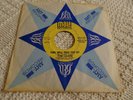
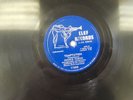
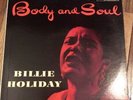
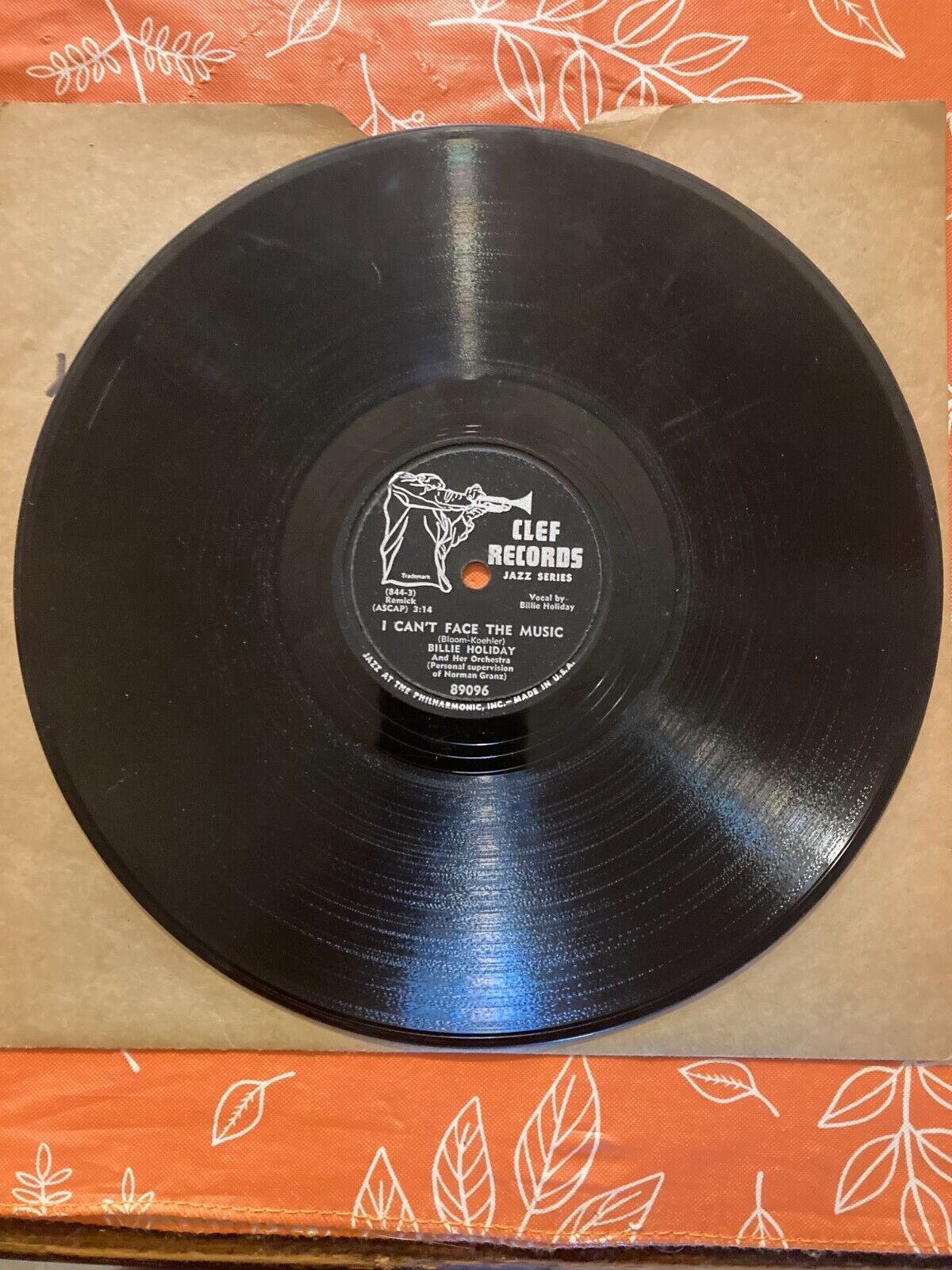
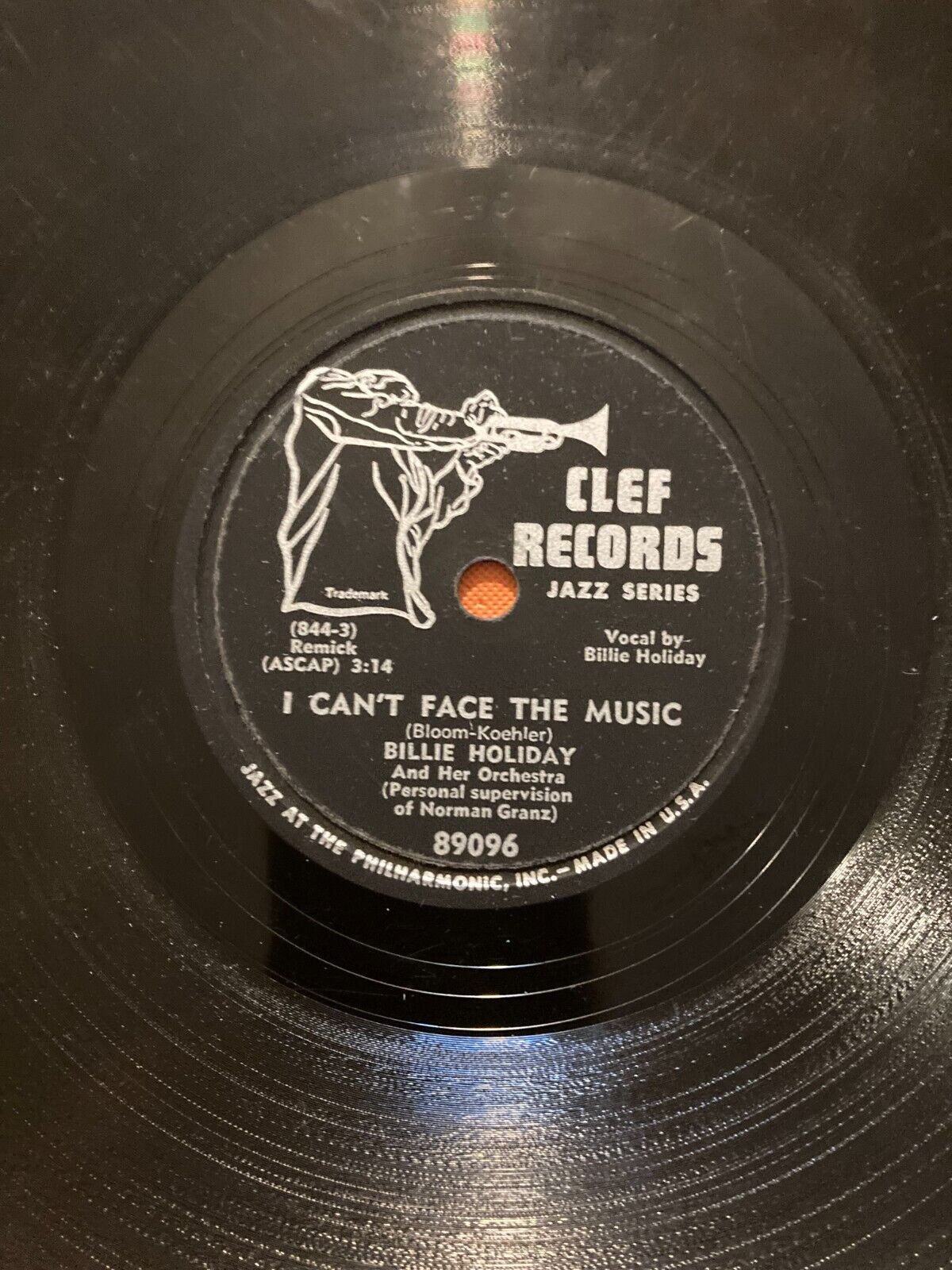
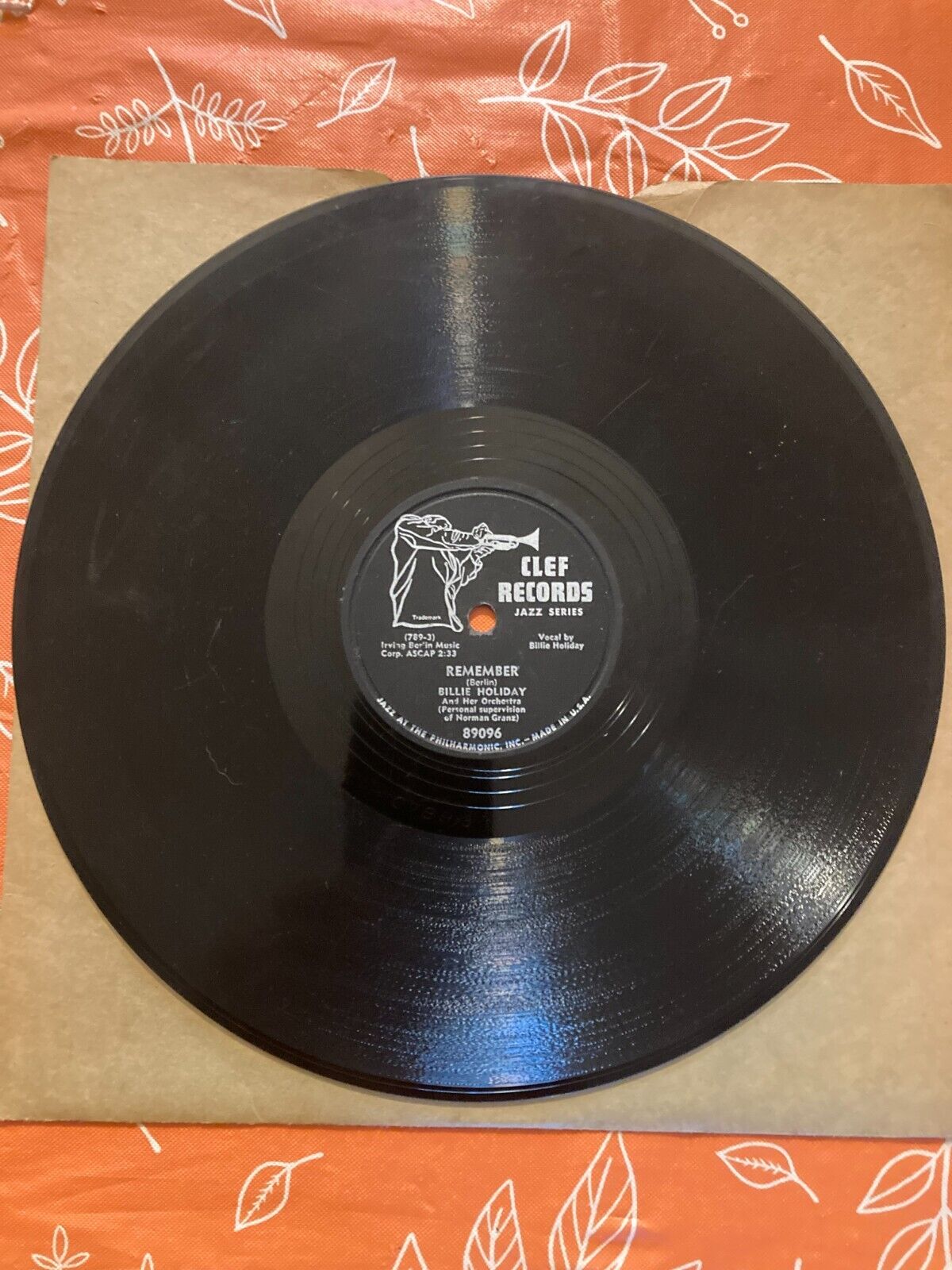
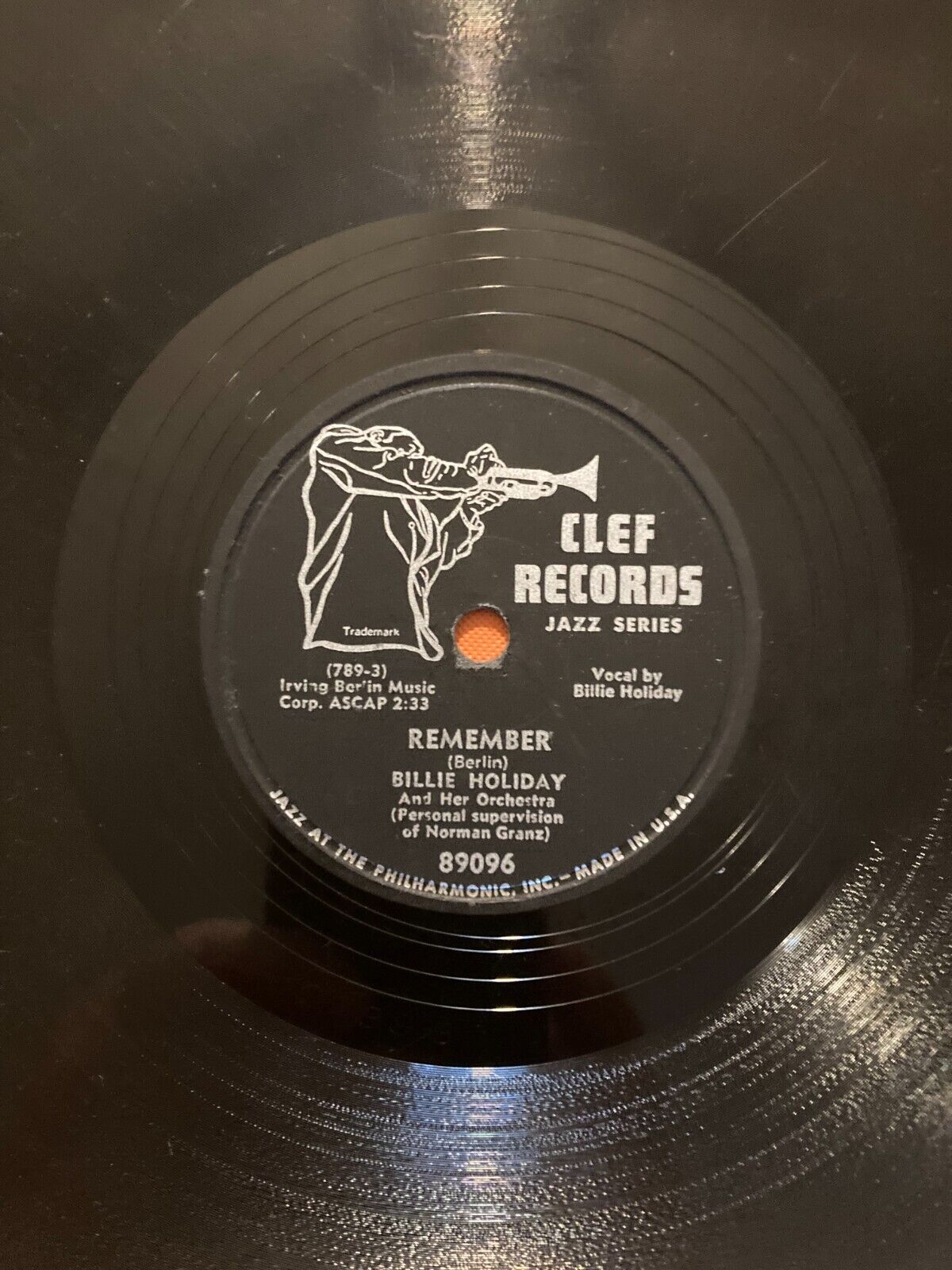
78 RPM JAZZ RECORD BILLIE HOLIDAY CLEF RECORDS JAZZ SERIES LABEL NO. 89096
$
20

Favourite Auctions
To save auctions to your favourites, please login
If you don't have an account, please register
Description
YOU ARE BIDDING ON AN ORIGINAL JAZZ RECORDING. 10 INCH DIAMETER 78RPM
RECORDED BY BILLIE HOLIDAY AND HER ORCHESTRA.. CIRCA 1954.
PRODUCED AND RECORDED ON THE CLEF RECORD LABEL .89096
JAZZ VOCAL AT THE PHILHARMONIC
SIDE A ...I CAN'T FACE THE MUSIC.
SIDE B....REMEMBER.
CONDITION IS VERY GOOD+ (SEE PICTURES) .
NOTE THIS RECORD HAS BEEN PLAYED AND TESTED ALL THE WAY THROUGH AND PLAYS GREAT.
Billie Holiday (born Eleanora Fagan; April 7, 1915 – July 17, 1959) was an American jazz and swing music singer. Nicknamed "Lady Day" by her friend and music partner, Lester Young, Holiday had an innovative influence on jazz music and pop singing. Her vocal style, strongly inspired by jazz instrumentalists, pioneered a new way of manipulating phrasing and tempo. She was known for her vocal delivery and improvisational skills.[1]
In 1935, Holiday was signed to Brunswick by John Hammond to record pop tunes with pianist Teddy Wilson in the swing style for the growing jukebox trade. They were allowed to improvise on the material. Holiday's improvisation of melody to fit the emotion was highly skillful. Their first collaboration included "What a Little Moonlight Can Do" and "Miss Brown to You". "What a Little Moonlight Can Do" has been deemed her "claim to fame".[27] Brunswick did not favor the recording session because producers wanted Holiday to sound more like Cleo Brown. However, after "What a Little Moonlight Can Do" was successful, the company began considering Holiday an artist in her own right.[28] She began recording under her own name a year later for Vocalion in sessions produced by Hammond and Bernie Hanighen.[29] Hammond said the Wilson-Holiday records from 1935 to 1938 were a great asset to Brunswick. According to Hammond, Brunswick was broke and unable to record many jazz tunes. Wilson, Holiday, Young, and other musicians came into the studio without written arrangements, reducing the recording cost. Brunswick paid Holiday a flat fee rather than royalties, which saved the company money. "I Cried for You" sold 15,000 copies, which Hammond called "a giant hit for Brunswick.... Most records that made money sold around three to four thousand."[30]
price rating