MILES DAVIS "BITCHES BREW" COLUMBIA CS 9995 VERY EARLY PRESSING A JAZZ CLASSIC
$
24
Favourite Auctions
To save auctions to your favourites, please login
If you don't have an account, please register
Description
MILES DAVIS "BITCHES BREW" COLUMBIA CS 9995 VEY EARLY PRESSING ~ A CLASSIC
MILES DAVIS "BITCHES BREW" LABEL: COLUMBIA PG 26 ~ CS 9995 / CS 9996 RELEASED: MARCH 30, 1970 EDITION: LATE 1970, EARLY 2nd PRESSING RECORD COMPANY: COLUMBIA RECORDS PRODUCER: TEO MACERO MASTERERING: CUSTOMATRIX / COLUMBIA RECORDING STUDIOS LACQUERS/STAMPERS: CUSTOMATRIX ('C' and 'o' in matrix) PRESSING: COLUMBIA RECORDS PLANT ~ TERRE HAUTE ('T' IN MATRIX) COVER ART: MATI KLARWEIN LINER NOTES: RALPH GLEASON MATRIX (SIDE A): o XSM 152412-1C SX T I C
CONDITION: VINYL & COVER BOTH VG+ OR BETTER ~~~~~~~~~~~~~~~~~~~~~ I've been going thru my massive vinyl record collection these past few weeks and pulling out some LPs that I thought that someone else would want for their collection. I've been collecting records for over 45 years and it's time to pass some of them on to the next generation of collectors.
This week on EBay I am offering up this rare early pressing of Miles Davis' classic 'Bitches Brew' record from 1970.
This is my original copy, purchased back in the mid 70's, shortly after it's release, that I've taken great care of for many years. See details on Condition below.
~~~~~~~~~~~~ This is a very early 2nd pressing of 'Bitches Brew' from late 1970.
The very first pressings were on the classic red "Two Eye" label but the album created such immediate demand that, by late 1970, it was being repressed, using the original mastering and metalwork, the only difference being adding Columbia's brand new red, black and yellow, 'Circle' labels, which were used from late 1970 onward. Otherwise they sound identical to the first pressings.
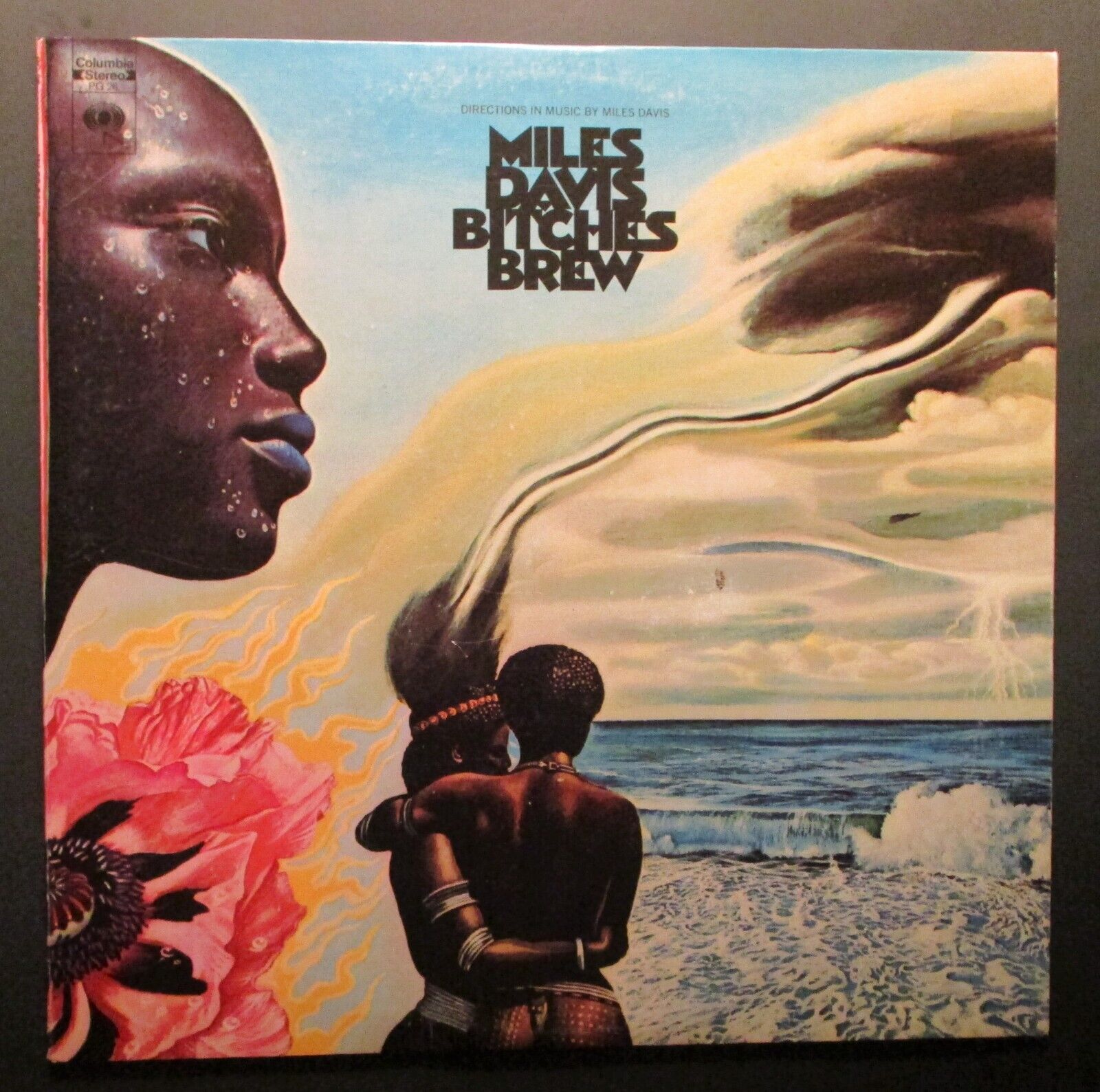
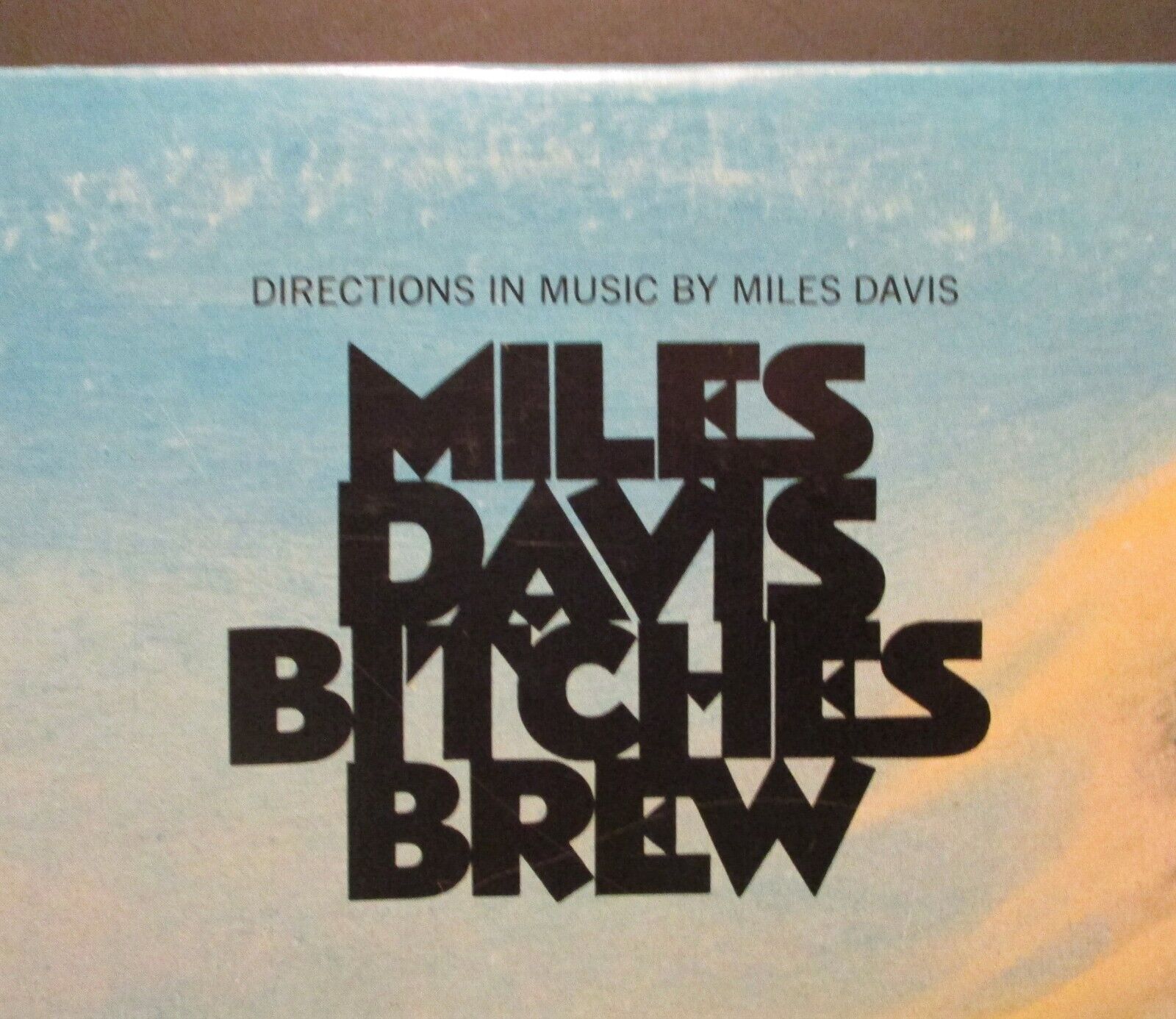
This early pressing still has the full title printed on the front of the jacket: "Directions In Music By Miles Davis Miles Davis Bitches Brew", which was later shortened to just 'Miles Davis Bitches Brew'
This pressing still has the early address for Columbia records inside the gatefold; 51 W. 52 Street, New York.
These early pressings also have the writer's credit for 'Sanctuary' (D2) given only to Wayne Shorter, before Miles took some credit for 'updating' the song and added his name on later pressings.
~~~~~~~~~~~~~~~~~~~~ These early pressings are reported to have more energy, punch and snap than later pressings, or even the recent Audiophile pressings, some of which used new remastered alternate mixes of the session tapes.
These early pressings are cut louder and sound fresh and alive.
The soundstage on these early pressings is really amazing for 1970 and for so many musicians in the room at once.
During the sessions, each individual musician was close-miked to minimize bleed, so when the album was mixed, each of the players had a discrete spot in the soundstage. Producer Teo Macero's careful panning and studio skills puts each musician in their own spot and place in the mix. It's truly amazing.
Despite multiple drummers and percussionists on the recording, they don't blend together and you can hear their different rhythmic patterns actually complementing each other. Instead of Harvey Brook's electric bass drowning out the acoustic double bass, you hear both musicians with amazing clarity.
Of course Miles is present, front and center. You can 'hear' where Miles is standing in the room and even when he lifts and turns his trumpet.
You can even hear his occasional, soft, vocal 'instructions' to the band, but those were rarely needed. Miles hand-selected the musicians he wanted in his band, and Miles' approach was that if he needed to tell someone what to do, he had the wrong musician.
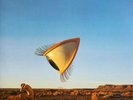
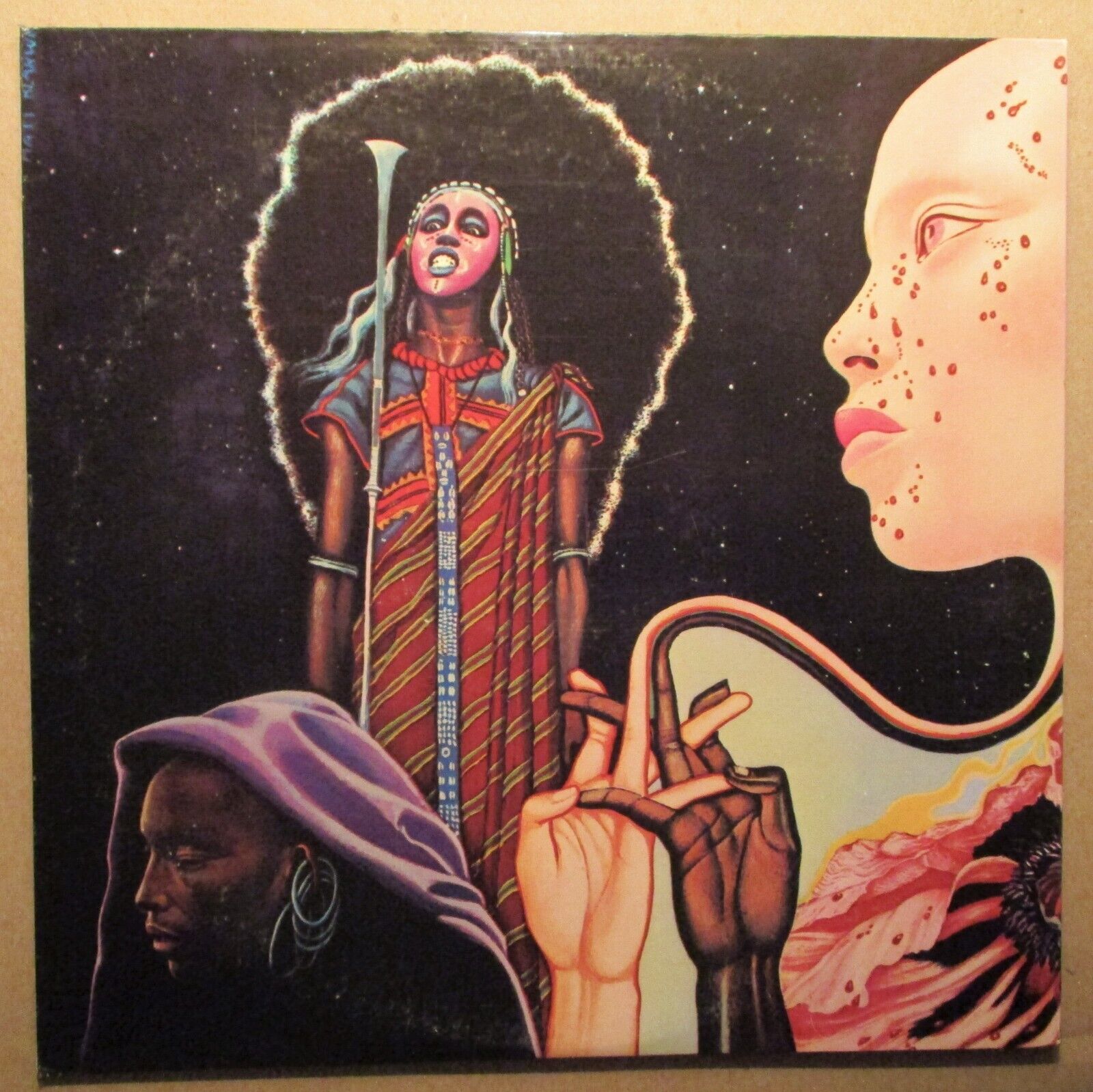
The cover art on these early pressings also can't be beat. Later pressings have more text and logos on the cover, which detract from Mati Klarwein's great Afro-Psychedelic artwork.
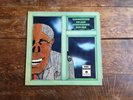
This is the original Gatefold version with Mati Klarwein's beautiful artwork on the outside and the great picture of Miles inside and Ralph Gleason's excellent liner notes.
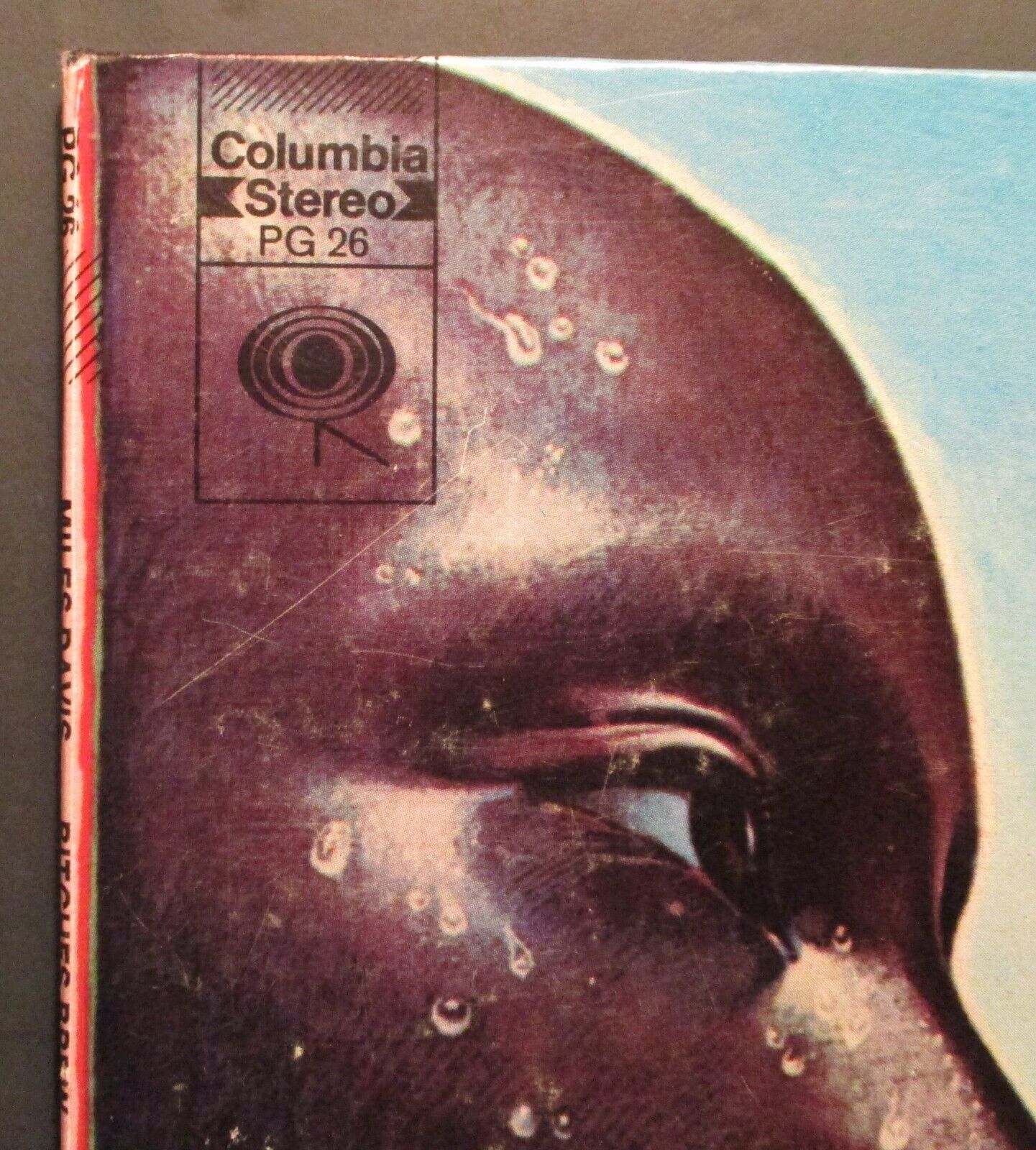
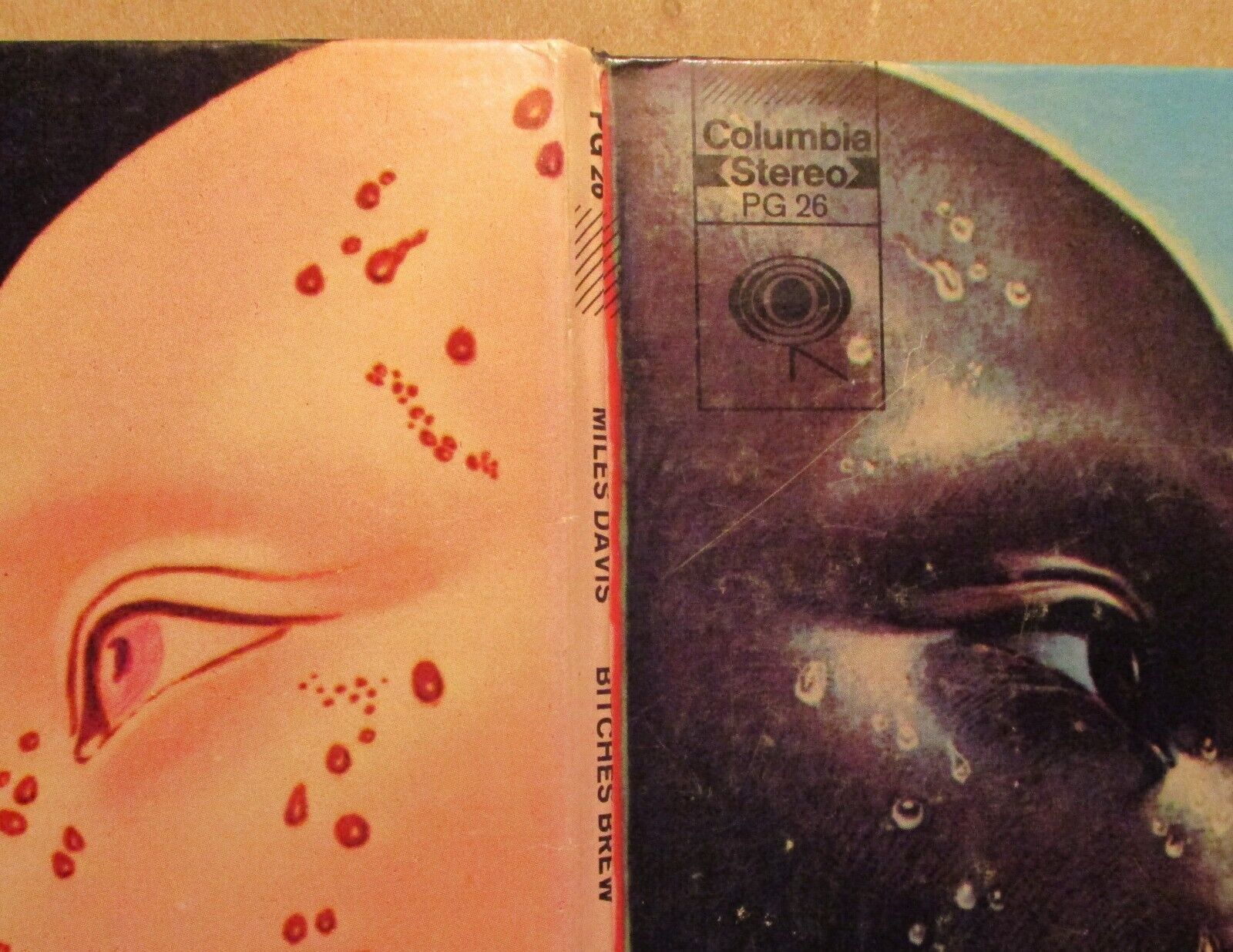
The easiest way to tell an early pressing on the red/yellow label is by the word STEREO printed beneath catalog number on the left side of the label. This was gone on later pressings.
~~~~~~~~~~~~~~~~~~~~~~~~~~~ Miles Davis was always at the leading edge of Jazz. He laid the groundwork for cool jazz, with 'Birth of the Cool', defined what a Jazz Quintet could and should be, twice, introduced and explored modal jazz with 'Kind of Blue', and introduced Jazz fusion with his fantastic "In a Silent Way' album.
Miles was always pushing the boundary and keeping his fans on their toes.
Most of his innovations, twists and turns were warmly welcomed by the jazz world, but when he 'went electric' and started exploring the fusion of Jazz and Rock, many fans and critics thought he went too far. 'Bitches Brew' created controversy right from the start.
It was an improvisational landmark that combined the instrumentation of Rock; guitar, bass, drums, with the instrumentation of Jazz; horns, keyboards, and wind instruments.
Jazz was supposed to be deep, emotive, and sophisticated, while rock was felt to be, in 1970, wild, ragged and unruly.
Davis smashed the 2 styles together, breaking down barriers and opening up new avenues for generations of musicians and groups to explore.
Musical creativity is often the result of destruction, shattering old ways and means and replacing them with fresher perspectives and new insights. That's exactly what miles accomplished with this album. It contradicted the established norms, beliefs, thoughts and models of jazz.
It remains one of those rare records that exists in its own arena.
~~~~~~~~~~~~~~~~~~~~~~~~~~~~~~~~~~~~~~~~~~~~~~~~~~~~~~~~ When Miles set out to create 'Bitches Brew' his basic touring band at the time was comprised of Chick Corea (electric piano), Jack DeJohnette (drums), Wayne Shorter (tenor sax), and Dave Holland (bass). Miles added a small army of musicians to that 'core' to create his 'band' for this album. He was clearly opening up from his strict little quartets and quintets.
He added multiple Keyboard, Drums & Bass players in order to create a thicker, more powerful, more aggressive sound.
He also added multiple keyboard players, percussionists, and Benny Maupin on Bass Clarinet to thicken up the horn sound.
The 'key' to his new band was young guitarist John McLaughlin who could easily bridge the gap between Rock and Jazz.
Miles was also starting to process his trumpet with echo and other effects to open up it's sound. Despite his reputation as a "cool," melodic improviser, much of Davis' playing on this album is aggressive and explosive.
This album famously had many musicians on it, but the 'Core' band Miles put together included:
Trumpet – Miles Davis Soprano Saxophone – Wayne Shorter Bass – Dave Holland & Harvey Brooks Drums – Jack DeJohnette, Lenny White & Don Alias Electric Guitar – John McLaughlin Electric Piano – Chick Corea, Joe Zawinul & Larry Young Bass Clarinet – Bennie Maupin
With these new musicians and instruments, such as the electric piano and guitar, Davis departed from traditional jazz rhythms in favor of loose, rock-influenced arrangements based on riffs, vamps and improvisation.
The album was founded on the idea of collective, improvisatory expression in the present moment. There are no 'soloists,' the entirety of the band is so integral to the overall sound of this album.
The goal was to create a 'fusion' of musicians with everything swirling around Davis, going in different directions at once, with Miles at the center, directing everything as it happened.
These musicians all just work together so seamlessly that there's never a loss of cohesiveness or even a single dull moment.
Many great musicians played on this record and it's hard to find a more talented group of musicians on any jazz or rock album.
With the success of 'Bitches Brew' many of the musicians took Miles' new ideas and ran with them, forming their own bands in the process .It launched a whole new way of thinking about jazz.
Joe Zawinul and Wayne Shorter went on to form Weather Report, John McLaughlin formed the Mahavishnu Orchestra and Chick Corea and Lenny White formed Return to Forever.
~~~~~~~~~~~~~~~~~~~~~~~~~~~~~~~~~~~~~~~~~~~~~~~~~~~~~~~ It was clear that Miles was being influenced by everything around him, always trying to move his music forward.
In 1968, Miles married Betty Davis, who was introducing him to new music, new clubs and new sounds. Thru his wife's influence, Davis began to explore rock and funk music and became enamored with the full-bottom sounds coming from James Brown, Sly Stone and Jimi Hendrix.
Jon McLaughlin famously took Miles to see the film 'Monterey Pop' where Jimi lit his guitar on fire. Miles was amazed.
Miles was completely enamored by Jimi Hendrix. Hendrix was creating new levels of what music was and what a Black musician could create and Miles wanted to add the Power, fearlessness, and inspiration of Jimi into his own music. Jimi had the contemporary edge and Miles was always reaching out for that.
Recorded just weeks after Hendrix played Woodstock in August 1969, Bitches Brew absorbed and reflected back the ’60s counterculture feeling of Rock and Roll.
~~~~~~~~~~~~~~~~~~~~~~~~~~~~~~~~~~~~~~~~~~~~~~~~~ In August 1969, Davis gathered his new band for a rehearsal, one week prior to the booked recording sessions.
Miles had little to offer the ensembled musicians. He presented the group with some "musical sketches," told them they could play anything that came to mind, as long as they played off of his chosen chords. Miles then booked Columbia's Studio B in New York City from August 19–21, 1969.
Famously during the sessions, Miles offered little direction, just a theme, a mood or a chord to improvise off of. He’d set a tempo and off they went, moving from one improvised experiment to the next.
Miles’ approach was very deliberate. His vision embraced improvisation as opposed to “prearranged shit.” He just stepped back and let it all happen.
During the sessions, the tape was running continuously, capturing every snippet of music and Miles’ spoken suggestions. It was all live recording, no overdubs, from 10 AM till mid-afternoon, for 3 straight days.
Drummer Jack Dejohnette recalled: One thing fed the other. It was a process, a kind of spiral, a circular situation. a stream of creative musical energy. One thing was flowing into the next.
The Bitches Brew sessions generated about nine hours of music. Out of that nine hours, it was edited down to just over an hour and a half of music to appear on the album. The album is 94 minutes long.
~~~~~~~~~~~~ As much as the album was revolutionary for it's music, the album also pioneered the application of the studio itself as a musical instrument.
Miles and his producer, Teo Macero, used the recording studio in radical new ways.
There was massive tape editing applied to the session tapes. Short sections were spliced together to create longer pieces, and various effects were applied to the recordings.
There were many special effects, like tape loops, tape delays, reverb chambers and echo effects used to enhance the music.
Using all his skills, Macero concocted many totally new musical structures from the session tapes. The editing and studio effects were an integral part of the recording as much as the improvised music was.
The longer pieces on the album, 'Pharaoh's Dance' and the title track were created with extensive editing and other studio trickery.
“Pharaoh’s Dance” contains 19 edits – its famous stop-start opening is entirely constructed in the studio, using repeat loops of certain sections. The title track contains 15 edits, again with several short tape loops.
The final album was a collage, assembled from various segments of the master tapes, using the latest studio technology, all overseen by Davis and producer Teo Macero.
It was an extension of Miles' creative process, a living hands-on composition.
Post-production took about 6 weeks. The result is pure brilliance.
It amazes me to hear that a group with that many musicians, playing random improvised music, can create such a tight sounding album. It has incredible scope, depth and breadth, ebbing and flowing through layers and phases of tranquility and aggression.
The group's musical cohesion is sustained through all 94 minutes of the record and 'Bitches Brew' still sounds 'live', spontaneous, improvised and created in the moment, something that keeps it sounding fresh today, over 50 years later.
~~~~~~~~~~~~~~~~~~~~~~~ The songs on Bitches Brew are all long improvised grooves, several of which take up full album sides.
The album starts with "Pharaoh's Dance," a hypnotic psychedelic masterpiece. It's a funkier and edgier continuation of what Miles started on "In a Silent Way"
It's primarily a rhythmic composition and when they’re not soloing or providing counterpoint, all the players contribute to the strengthening of the rhythm. It's hard to believe that it was spontaneous, thought up on the spot, with very little in terms of guidance. It's a perfect example of the music just happening.
“Spanish Key” is another long, 17 minute piece. It's a fast-paced song driven by DeJohnette's drumming and bassist Harvey Brooks’ rugged, chug-a-lug rhythm. A good example of miles incorporating the power and rhythm of Rock into a jazzy fusion piece.
“Miles Runs the Voodoo Down” is the track that displays the rhythmic emphasis of Bitches Brew most clearly and realizes Miles’ vision of enriching jazz with a stronger rock-style bottom.
The last song on the album, “Sanctuary” is a version of a Wayne Shorter piece recorded a couple of years earlier. It's more 'traditional', smooth, relaxed and laid back, but Miles and the band add muscle and expression to it making it take off into freely improvised chaos, before coming in for a landing.
~~~~~~~~~~~~~~~~~~~~~~~~~~~~~~~ When 'Bitches Brew' was released in March, 1970, it created controversy right from the start. It was Miles' 27th album and very different from all the rest.
Fans and critics felt that Miles was diluting or cheapening jazz by introducing electronic rock elements. Many claimed he had sold out.
The jazz community slammed Davis for taking his music so far away from tradition, taking too many liberties.
The biggest criticism was the the lack of any linear development within the solos, it sounded like perpetual discovery, without a final destination.
Eventually the album gained acceptance and fans realized that it wasn't a sell out, it was a birth, the emergence of Jazz Fusion.
Miles may have lost some some traditional jazz fans, but he gained a whole new audience among young rock fans who loved the new 'fusion' sound. Bitches Brew was something new and it appealed to a whole new bunch of fans. The record’s success rejuvenated people’s interest in jazz music, and fusion in particular.
The album sold well and even won a Grammy.
Bitches Brew became one of the most influential recordings in history. Sounding like absolutely nothing that came before it and being replicated by absolutely nothing after it.
The psychedelic cover art, provocative title, and long electric jams helped get it accepted by the youth. It played right into the sensibilities of stoned-out psychedelic rock fans.
Bitches Brew was a pivotal album that altered the trajectory of jazz, adding a more avant-garde and psychedelic nature to it, making it even more interesting.
Bitches Brew is a work that places greater value on rhythm, mood, color and texture than melody and harmony. Spontaneous, unrehearsed, musical improvisation laid down over a groove. It feels completely made up as it goes along, showing just how immaculate improvisation can be.
Today, it's regarded as a musical masterpiece by many.
In 2003, the album was ranked number 94 on Rolling Stone magazine's list of the 500 greatest albums of all time.
The Penguin Guide to Jazz called Bitches Brew "one of the most remarkable creative statements of the last half-century, in any artistic form".
~~~~~~~~~~~~~~~~~~~~~~~~~~~~~~~~~~~~~~~~~~~~~~~~~~~~~~ CONDITION: I tried to show good hi-resolution photos of the cover, labels and vinyl in my pictures.
I purchased this copy back in the mid 70's, 50 years ago, in Greenwich Village, on one of my regular vinyl digs in those days, and have taken great care of it since.
VINYL: The vinyl looks great. Clean and Bright. There's some mild evidence of play, but no significant scratches, scuffs or damage. The Deadwax has all the early pressing indicators as listed above. Customatrix mastering ('o') and metal work ('C'). This copy was pressed by Columbia Records Pressing Plant, in Terre Haute, denoted by "T" etched in runouts. I haven't messed with it or cleaned it, other than my trusty 1970s 'DiscWasher' brush, since Nixon was President. It could use a good deep cleaning to make it even better looking and better sounding.
I tried to show some close-up pictures of the vinyl to show how good it looks. I'll call it VG+ to keep everyone happy, but you can see how nice it looks. At least VG+ I'm sure you'll be happy with it.
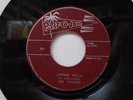
LABELS: This is pressed with the 'classic' red, black and orange 'perimeter' Columbia labels that they started using in late 1970. T he labels are clean and bright. No marks or damage. The spindle holes are still sharp and clean, suggesting minimal playing and my careful handling over the years.
JACKET: As you can see from my pictures, this still looks terrific for a 50 year old copy. Clean and bright. Sharp corners, straight spine. No seam splits. Very mild ringwear at the top, but not bad at all. No marks or writing. The cover artwork still looks great.
The gatefold is clean and bright and the inner seam is fine.
This record has been sleeved and stored properly for decades, and is still in fabulous condition. This copy is all original, and a real gem. I'm sure you'll love it.
~~~~~~~~~~~~ ** NOTE: I'm selling this rare 'Collector' record "AS IS" and "NO RETURN". It's rare and as described and I'm sure you'll be very happy with it.
~~~~~~~~~~~~~~~ I’m recently retired and downsizing and letting go some gems and rarities from nearly 45 years of vinyl record collecting. Check out the many other fantastic 45s and 33s coming soon to my page!
All records have been carefully evaluated and graded by me. I visually inspect all records under bright light, personally gently clean them with a soft cloth and then, if unsure, play them on a modern high-end turntable to get a true picture of condition. Please look at all the high-resolution pictures I added. They are all my own and are of the actual record being sold. The pictures are part of the description and can show small details, label variations, and condition better than I can put into words.
My grading is fair and honest. I have had over 3,400 happy and satisfied EBay customers over the years, with 100% positive feedback, and I have been buying/selling on EBay for well over 25 years, so please bid with confidence!
I'm a 0ne-man operation, this is a hobby, not my job. I do this for fun. I do this because I love music, love collecting vinyl and want others to share in that same experience. I take my time listening, researching, grading, listing and packaging. I will NOT sell any record that I personally would not want in my collection.
As you well know, packing and shipping rare records requires special care and attention, therefore, shipping cost within the lower 48 states is $5.00 on this item. If you would like insurance, or anything faster than Media/Economy Mail, please let me know and I can arrange it for you. I’ll work with you to make sure you’re happy!
I will gladly combine multiple records, or other items on my page, and make the shipping much less for you. I don’t inflate the shipping costs; they are what they are. I strive to keep them as low as possible. See my feedback for comments on my quality packing and shipping.
All items are packaged with sturdy cardboard mailers and appropriate padding. I take pride in my packaging and shipping and package all my records as if I were sending them to myself. I refuse to use cheap flimsy packaging material when sending my vinyl. I treat them as if they were my own and mail them the same way.
All orders are processed and shipped within 2 business days of receipt. We package and ship our vinyl records with the greatest care, using proper packaging to ensure that your rare and collectible vinyl records arrive in pristine condition.
Payments can be made by any of the multiple options that Ebay offers.
I will be happy to exchange feedback with anyone I complete a transaction with.
THANK YOU for looking and reading if you got this far. -- JOHN
price rating